Jet Fuel Spike Disrupts Airline Profit Forecasts
Key Takeaways
- •Renewed conflict in the Middle East pushed jet fuel prices up 20% over two weeks, disrupting airline guidance.
- •United Airlines said it expects nearly $6 billion in additional fuel expense for full-year 2026 versus its view at the start of the year.
- •American Airlines raised its fuel-cost outlook and now expects third-quarter adjusted earnings to fall well below analyst expectations.
- •Southwest Airlines reported higher fuel expenses in the second quarter but still beat consensus earnings estimates.
- •The article says fuel is the second-largest airline expense after labor, making earnings forecasts highly sensitive to oil price moves.
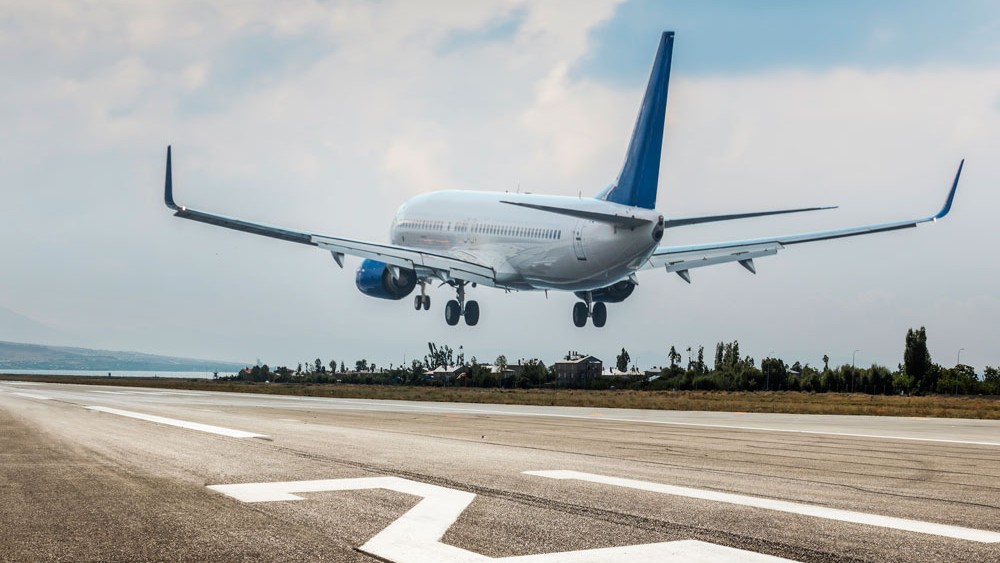
The fresh spike in jet fuel prices in July disrupted profit guidance from U.S. airlines, forcing management teams to revise earnings estimates for the year just days before reporting second-quarter results.
The renewed escalation in the Middle East earlier this month triggered a 20% jump in jet fuel prices during the two weeks when carriers were reporting April-June earnings and outlining expectations for the third quarter and the rest of the year.
Continued volatility in crude oil and jet fuel prices has made earnings projections increasingly uncertain, with forecasts changing depending on daily price movements. Over the past five months, that uncertainty has largely been tied to which oil chokepoint in the Middle East is restricted, or whether the U.S. administration is attempting to push oil prices lower.
Events in the Middle East over the past few months have weakened earnings outlooks across major U.S. airlines, as higher fuel costs have offset strong demand and revenue trends. For airlines, that makes fuel hedging, liquidity planning, and near-term guidance especially sensitive to each move in the forward curve rather than to demand alone.
The crisis has underscored how sharply jet fuel prices can affect airline earnings and profit projections, given that fuel is the second-largest expense for airlines after labor costs. Related: Oil Market's Glut Narrative Just Blew Up
Second-quarter results from United Airlines, American Airlines, and Southwest Airlines showed rising jet fuel costs and management teams struggling to estimate the impact on full-year earnings amid continued volatility in global oil and fuel markets.
In mid-July, United Airlines said it now expects nearly $6 billion in additional fuel expense for full-year 2026 compared with its expectation at the start of the year. In the second quarter, fuel expense increased by $2.3 billion, or 84% year over year, although quarterly profit came in near the top end of guidance.
“During the quarter, United raised $3.7 billion in new liquidity in private bank transactions at attractive rates to provide low-cost insurance from geopolitical uncertainty and the possibility of an extreme spike in oil prices,” United said.
On an earnings call with analysts held a week into the renewed hostilities in the Middle East, CEO Scott Kirby said, “At this time last week, I was planning to tell you that we had a good line of sight to growing earnings year-over-year based on what we expected our guidance to be at the time.”
American Airlines reported second-quarter revenue of $16.7 billion, up 16.3% from a year earlier and the highest quarterly revenue in company history, but said fuel expense climbed by more than $2.2 billion, or 83% year over year. In light of the recent increase in fuel costs, the company now expects full-year adjusted earnings per diluted share to range from a loss of $0.65 to earnings of $0.65. For the third quarter, American expects a loss of between $0.10 and $0.70 per share, below the analyst consensus estimate of $0.61 in earnings per share.
American’s chief financial officer, Devon May, told analysts on the second-quarter call: “Since the beginning of July, expected third quarter fuel expense has increased by more than $700 million for the quarter and nearly $1.6 billion for the remainder of the year. Even in the last week, our fuel forecast has increased $230 million in the third quarter and nearly $550 million for the remainder of the year.”
Southwest Airlines last week reported second-quarter earnings that beat consensus estimates despite a year-over-year increase of $900 million in fuel expenses. The higher fuel expense represented a $1.17 headwind to adjusted earnings per share, the airline said.
Southwest CFO Tom Doxey said on the earnings call, “As far as fuel, we don't guide fuel. I think this is a bit of a nuance here, but we give you a fuel estimate based on a certain day, and we say it's the forward curve as of that day.”
By Tsvetana Paraskova for Oilprice.com
More Top Reads From Oilprice.com
Saudi Crude Tanker Goes Dark to Slip Through Bab el-Mandeb
Hormuz Tanker Crossings Sink to Lowest Level Since May as War Risk Spikes
ADNOC Issues Seventh Crude Tender Since June Despite Hormuz, Red Sea Risks

