Jensen Huang's Multibillion-Dollar Share Transfers to Heirs Draw Scrutiny Amid Reported Nvidia Exit
Key Takeaways
- •Research findings indicate Jensen Huang stepped down as Nvidia's president, CEO, and board member on November 12, 2026, after the board reportedly accepted his resignation on November 11.
- •Under the reported handoff, CFO Colette Kress would serve as interim CEO while Harvey C. Jones would become the board's first chair.
- •Nvidia shares reportedly closed down 4.3% on November 12, erasing a substantial portion of the company's market value.
- •Huang's beneficial ownership of roughly 811 to 870 million shares, valued between $130 billion and $150 billion, includes about 530 million shares in the Jen-Hsun & Lori Huang Living Trust and approximately 140 million shares in irrevocable trusts.
- •Huang reportedly forfeited around $108 million in unvested equity awards upon resigning, and the findings flag a potential investigation into his departure that could damage Nvidia's reputation and investor confidence.
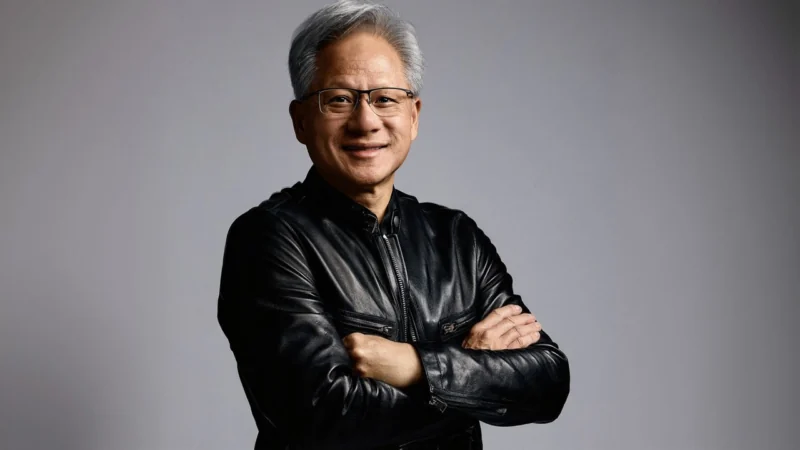
A post circulating on X claims that Nvidia founder Jensen Huang transferred billions of dollars in company stock to his heirs before stepping down as CEO. Crypto Briefing has not independently confirmed the transfers or the resignation through Nvidia filings or company statements; what follows reflects the X post and the research findings that accompany it.
What the reports say
According to the research findings, Huang stepped down as Nvidia's president, CEO, and board member on November 12, 2026, with the board reportedly accepting his resignation one day earlier, on November 11.
The handoff described in the findings is immediate: Colette Kress, Nvidia's chief financial officer, would step in as interim CEO, while Harvey C. Jones would become the board's first chair. At large public companies, interim appointments of this kind typically serve as a bridge while the board works toward a permanent appointment.
Markets reportedly reacted the way markets usually do to surprises at the top. Nvidia shares closed down 4.3% on November 12, according to the findings, erasing a substantial chunk of the company's market value.
How big is Huang's stake
The findings put Huang's beneficial ownership at approximately 811 to 870 million Nvidia shares, equivalent to roughly 3.4% to 3.58% of the company. The research values that position at between $130 billion and $150 billion.
Much of that stake does not sit in Huang's name directly. About 530 million shares are reportedly held through the Jen-Hsun & Lori Huang Living Trust, and another roughly 140 million shares are held in aggregate through irrevocable trusts, according to the findings.
The distinction matters. A living trust is generally something the founder can still control and change, whereas an irrevocable trust, as the name suggests, is harder to unwind once assets go in. The X post's claim that shares went to Huang's heirs fits most naturally with the second bucket, though the findings do not tie specific transfers to specific dates. Trust structures like these are standard estate-planning vehicles for founders holding sizable positions in public companies.
The money he left on the table
The findings say Huang forfeited around $108 million in unvested equity awards when he resigned. Against a stake reportedly worth $130 billion to $150 billion, that amount is a rounding error—and walking away from it suggests the exit was not a leisurely, planned retirement mapped to a vesting schedule.
Why the timing invites questions
The research findings flag a potential investigation into the circumstances of Huang's departure. They also warn that such a probe could cause lasting reputational damage to Nvidia and weigh on investor confidence.
Notably, none of the material reviewed alleges that the share transfers broke any rule. Moving stock to heirs is not the same as selling it: a transfer into a family trust does not put cash in anyone's pocket or dump shares onto the market.
What this means for Nvidia investors
The research notes that the leadership change may introduce volatility, with investors uncertain about the strategic direction under an interim chief.
The second issue is ownership overhang. A founder controlling roughly 3.4% to 3.58% of the company, now outside the building, is a stake the market will watch closely. Positions of that size are typically monitored through regulatory disclosures rather than day-to-day trading.
The third issue is governance. Appointing Harvey C. Jones as the board's first chair signals a formal separation of oversight from management.
What to watch next: Nvidia's own regulatory filings detailing the trust transfers and their dates, any statement on the reported investigation, and whether the board moves quickly to name a permanent CEO. The 4.3% drop was the first verdict; the filings will be the evidence.
Disclosure: This article was edited by Vivian Nguyen. For more information on how we create and review content, see our Editorial Policy.

