Jensen Huang Resigns From Nvidia; $140 Billion Stake Held in Shared Trusts
Key Takeaways
- •Jensen Huang, who co-founded Nvidia in 1993, stepped down after leading the company for more than three decades as it evolved from a graphics chip maker into a leading supplier of computing hardware for artificial intelligence.
- •Nvidia's board has appointed longtime chief financial officer Colette Kress as interim CEO while it continues searching for Huang's permanent successor.
- •Attorneys and SEC filings show that Huang's roughly $140 billion stake is primarily held in trusts co-owned with his wife, Lori Huang, meaning neither co-owner can independently sell or manage the shares.
- •Market activity following the resignation suggests decreased confidence that Kress will become Nvidia's next permanent CEO.
- •Observers are monitoring board announcements, future SEC filings, and the resolution of how the trust-held shares will be managed as indicators of Nvidia's strategic direction and leadership plans.
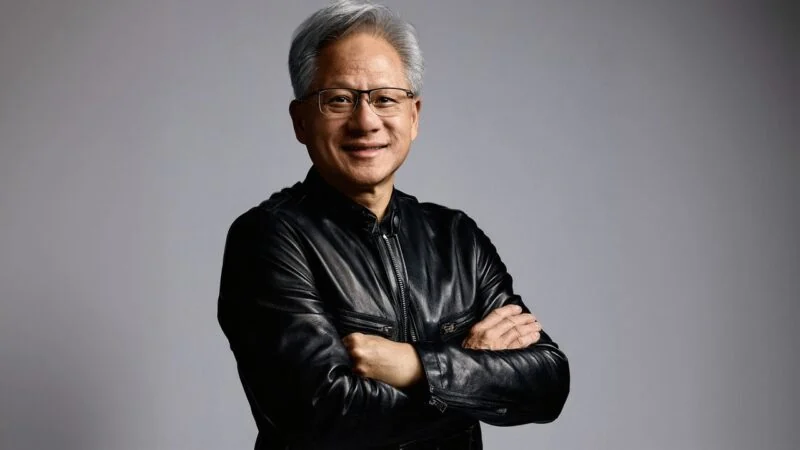
Jensen Huang, co-founder and former chief executive of Nvidia, has resigned from the company, leaving open questions about the future control of his substantial stake in the chipmaker.
According to attorneys and SEC filings, Huang's roughly $140 billion stake is primarily held in trusts co-owned with his wife, Lori Huang. That shared ownership structure means neither party can independently sell or manage the shares, a dynamic that has contributed to uncertainty following his departure.
Nvidia has appointed Colette Kress, the company's longtime chief financial officer, as interim CEO while the board continues its search for Huang's permanent successor. The interim arrangement keeps leadership in experienced hands while the search continues, though the company's longer-term direction remains tied to the board's eventual choice.
Huang co-founded Nvidia in 1993 and served as its chief executive for more than three decades, overseeing its evolution from a graphics chip maker into a leading supplier of computing hardware used in artificial intelligence. That evolution helps explain the attention on his departure: the company navigating this transition now supplies core computing hardware for the AI industry, making the question of who leads it on a permanent basis a matter of interest well beyond Nvidia's own shareholder base.
Market activity in the wake of the resignation suggests decreased confidence in Kress becoming Nvidia's next permanent CEO. Because the trusts holding the bulk of Huang's shares are co-owned by Jensen and Lori Huang, neither co-owner can act unilaterally, which may indicate a complex decision-making process regarding the future of the stake. Taken together, the unresolved succession and the jointly controlled shareholding leave Nvidia facing two intertwined questions at once: who will lead the company permanently, and how the founder's trust-held shares will ultimately be managed.
The leadership transition has introduced uncertainty about Nvidia's strategic direction and stability. Observers are watching several developments in the period ahead: announcements from Nvidia's board regarding a permanent appointment, with Kress currently serving in the role on an interim basis; future SEC filings and board decisions that could signal progress toward a permanent leadership choice; and the resolution of how the trust-held shares will be managed, along with any potential impact on Nvidia's strategic direction that could influence market confidence in Kress's appointment.

