Nvidia's Jensen Huang Says He Is Open to Returning as CEO, but Board Reportedly Not Considering It
Key Takeaways
- •Jensen Huang publicly stated on Nov. 17 that he is willing to resume Nvidia's CEO role if directors conclude that reinstatement serves the company's interests.
- •Reuters reported that Nvidia's board is not currently considering bringing Huang back and has appointed CFO Colette Kress as interim CEO while searching for a permanent successor.
- •Huang's Nov. 12 resignation came amid allegations about his personal relationships, including U.S. intelligence agencies' examination of businesswoman Alice Huang's possible connections to China's Ministry of State Security.
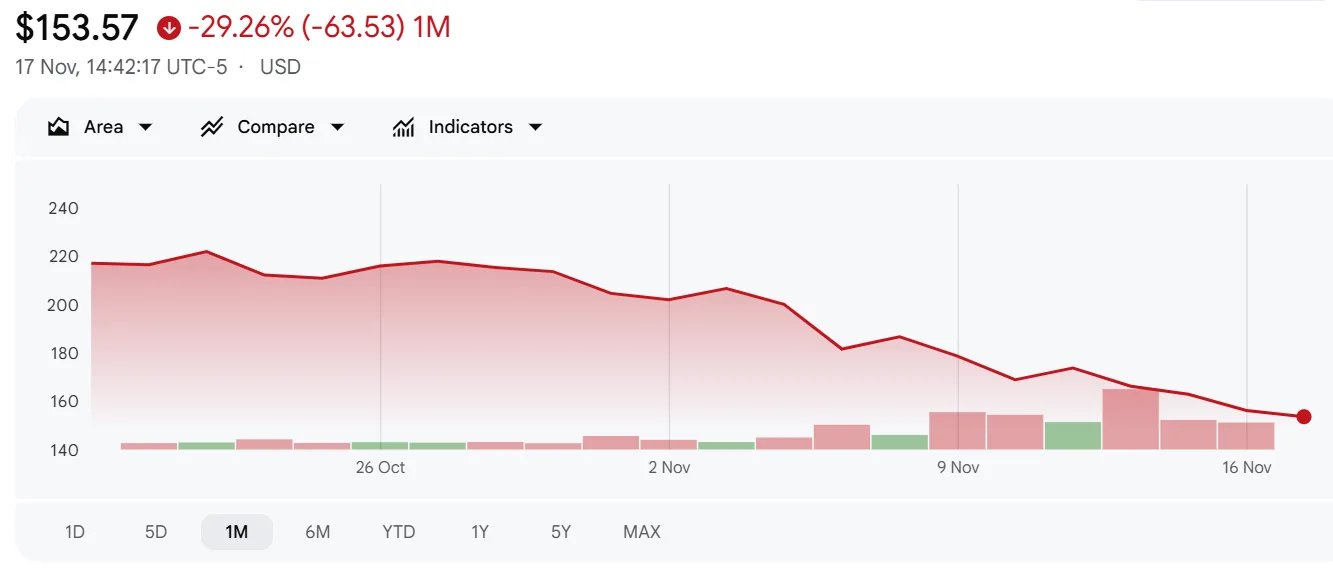
- •Nvidia shares have fallen more than 10% since the resignation, bringing the 30-day decline to 28%, with the stock trading around $153.
- •The board has formed a new committee to oversee national security and export-control compliance as the CEO search and independent investigation continue.
Former Nvidia CEO Jensen Huang said on Nov. 17 that he is willing to return to the company's top job, five days after stepping down from the role. However, Reuters reported that Nvidia's board is not currently considering reinstating him.
Huang's statement came after a growing campaign among employees, investors and technology executives calling for his return. The dispute has unfolded as Nvidia shares fell more than 10% from their Nov. 11 close. In the meantime, the company has formed a board committee to oversee national security and export-control compliance, putting governance oversight on a parallel track with the search for new leadership.
Huang Breaks Silence With Statement on X
Huang broke his silence on Nov. 17 with a statement on X. He acknowledged mistakes that contributed to his departure and expressed regret over the difficulties they created for Nvidia's board. He also pledged to cooperate with the company's independent investigation into his conduct.
According to Huang, employees, investors, customers and business partners had urged him to come back, and he expressed willingness to resume leadership if Nvidia's directors concluded that reinstatement served the company's interests. He did not, however, announce any negotiations, an agreement or a board decision.
His remarks followed Nvidia's Nov. 12 announcement that he had resigned as president, chief executive and director. The departure came amid allegations concerning his personal relationships, including one involving Chinese businesswoman Alice Huang. According to Reuters, U.S. intelligence agencies have been examining her possible connections to China's Ministry of State Security, although the investigation had not established that she acted as a trained Chinese intelligence officer. Separate reports have also raised allegations concerning Huang's relationship with an Nvidia employee. Together, the claims have triggered broader questions about corporate governance and the company's handling of national security risks — questions that frame the leadership transition now underway at the chipmaker.
Nvidia appointed Chief Financial Officer Colette Kress as interim CEO following Huang's departure and said its board would conduct a search for a permanent replacement. Still, three people familiar with the board's discussions told Reuters on Nov. 16 that directors were not considering Huang's reinstatement — a reported position that leaves a gap between Huang's public willingness and the board's approach to succession. Until the search concludes, the question of who ultimately leads the company remains unresolved.
Nvidia Stock Under Pressure as Uncertainty Persists
The latest development adds to the uncertainty surrounding the company. While the board has said it is not considering bringing Huang back, there is no information on who could ultimately replace him. Kress is currently acting CEO, but Arm CEO Rene Hass has been mentioned as a potential candidate, as has Lisa Su, AMD's CEO and Huang's cousin. In the interim, Kress leads the company while retaining her existing responsibilities as chief financial officer.
The uncertainty is reflected in Nvidia's stock price. Shares are down more than 10% since the resignation, bringing the total decline to 28% over the past 30 days. The stock is now trading around $153 and has fallen a further 2% today.
A bigger concern is the potential impact of completely cutting Nvidia off from the China market. Huang has been one of the biggest advocates of loosening restrictions on chip exports to China, and the export-policy question is one Nvidia will now confront without him in the chief executive role. Key markers to watch going forward include the board's progress on its permanent-CEO search, the findings of the independent investigation into Huang's conduct, and the oversight work of the newly formed committee on national security and export-control compliance.
This article provides financial and corporate governance information and does not constitute investment advice. Nvidia shares carry market risks, while the investigations and unproven allegations described above require continued independent verification.
Source: The Market Periodical

