Former Trump staffer argues JD Vance, not Trump, will be the midterms' biggest loser
Key Takeaways
- •Republicans widely expect significant losses in the November midterms, consistent with the post-World War II pattern in which the party holding the White House has lost House seats in nearly every midterm election.
- •Matthew Bartlett, a former Trump State Department appointee turned GOP strategist, argues that Vice President JD Vance has the most at stake in a midterm blue wave even though he is not on the ballot.
- •Vance faces resistance from party leaders including Karl Rove as the presumptive 2028 nominee, while the party's loyal base demonstrated support with chants of "48" at the midterm convention.
- •Bartlett compares a potential Vance 2028 campaign to a hypothetical Dick Cheney candidacy in 2008, when the GOP lost the presidency to Barack Obama.
- •Reports highlighted by Bartlett indicate Secretary of State Marco Rubio may skip the 2028 race and consider waiting until 2032 or 2036 because the political landscape could be too toxic for Republicans.
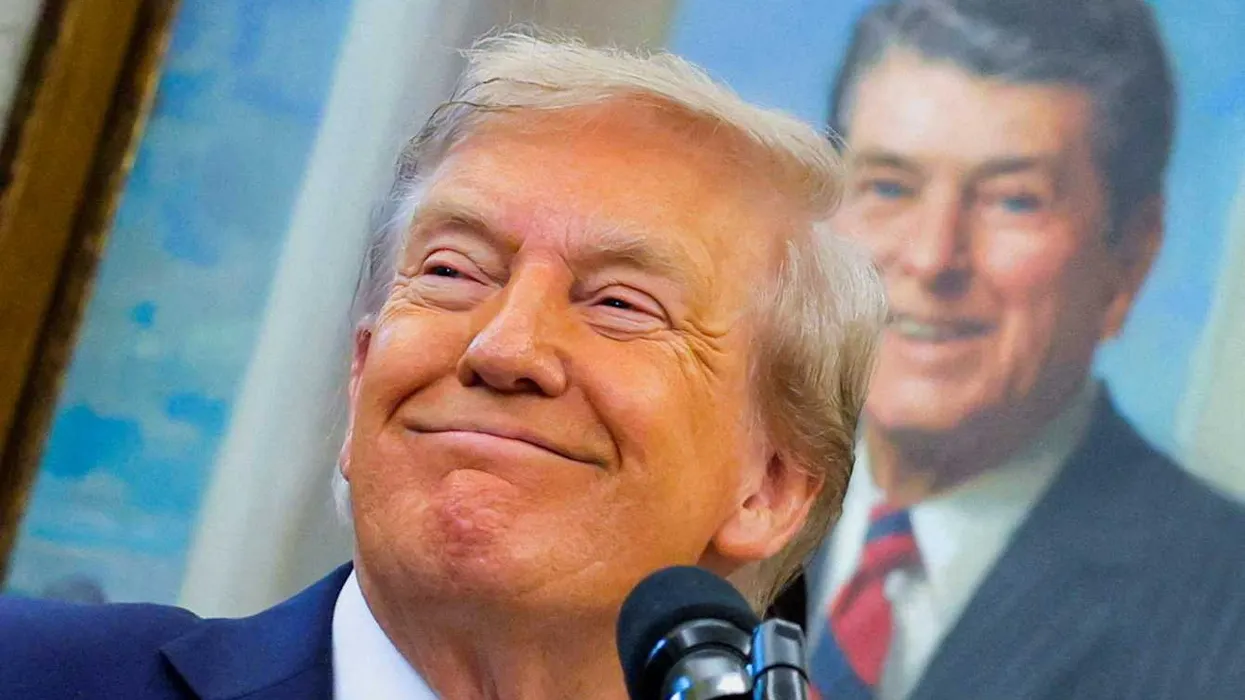
The November midterms are widely predicted to be a disaster for the GOP, as voters appear poised to rebuke President Donald Trump — a scenario consistent with modern midterm history, in which the party holding the White House has lost House seats in nearly every midterm election since World War II. But according to one of his former staffers writing for MS NOW, the president would not end up being the biggest loser in the event of a blue wave — and neither would any Republican whose name appears on a ballot this fall.
Matthew Bartlett served as a first-term appointee in Trump's State Department and now works as a GOP strategist and media analyst, writing critiques of his former boss for outlets including MS NOW. On Sunday, he published his latest piece for the outlet, laying out his argument for why Trump will not suffer the most damage from a midterm wipeout — nor will it be any Republican running in November.
"Currently, the debate among Republicans is not whether the November elections will go badly, but how badly it will go," Bartlett wrote, adding later, "Yet the Republican with the most on the line come Election Day may not even be on the ballot: Vice President JD Vance."
According to Bartlett, Vance is facing increased resistance from party leaders — including veteran strategist Karl Rove, a former senior adviser to President George W. Bush — as the presumptive 2028 GOP nominee for president, even as the party's loyal base remains committed to him, demonstrated by chants of "48" when he spoke at the midterm convention. But a smooth path through the 2028 primary, he cautioned, does not mean Vance is not running headlong into a big wall.
"But a primary walk for Vance may quickly turn to a general election crawl," Bartlett explained. "Vance's presidential campaign may answer the question of what the fate of the Republican Party would have been if then-Vice President Dick Cheney had been the nominee in 2008 — equally unpopular as their president but possibly more unlikable." Cheney served as vice president under George W. Bush, whose party went on to lose the 2008 election to Barack Obama.
He added later: "As the 2028 MAGA heir apparent, Vance will have to continue to parrot or attempt to excuse any erratic behavior or irrelevant idea Trump offers. There is a very real possibility he will be running in an even more toxic political environment for Republicans — all while he runs in and from Trump's shadow. While 2026 is still unclear, it appears many Republicans are all but certain on Vance in 2028. But with Trump still as president, Vance's fate in that race may already be certain as well."
Bartlett also highlighted reports indicating that Secretary of State Marco Rubio, another possible 2028 frontrunner, has seen the writing on the wall and told those close to him that the political landscape will be too toxic for Republicans to survive in 2028. Instead of running in the next cycle, Rubio has suggested he might hold off until 2032 or 2036. The November results, once in, will provide the first concrete measure of the political environment that Bartlett argues could define the GOP's next presidential cycle as much as this one.

