Japan Targets First Spot Bitcoin ETF by 2028 as Crypto Law Reforms Progress
Key Takeaways
- •Japan reclassified cryptocurrencies from payment methods to financial instruments under the Financial Instruments and Exchange Act, clearing the legal path for regulated spot Bitcoin ETFs.
- •The Financial Services Agency is drafting updated investment fund rules, with the first spot Bitcoin ETFs potentially listing on the Tokyo Stock Exchange by 2027 or 2028.
- •Domestic financial institutions estimate that Japan's crypto investment trust market could attract up to JPY 3 trillion, approximately $19.5 billion, by the end of fiscal 2028.
- •Japan plans to lower cryptocurrency taxes from 55% to 20% in an effort to broaden investor participation in the digital asset market.
- •Major financial firms including Nomura and SBI are already preparing Bitcoin ETF products ahead of anticipated regulatory approval from Japanese authorities.
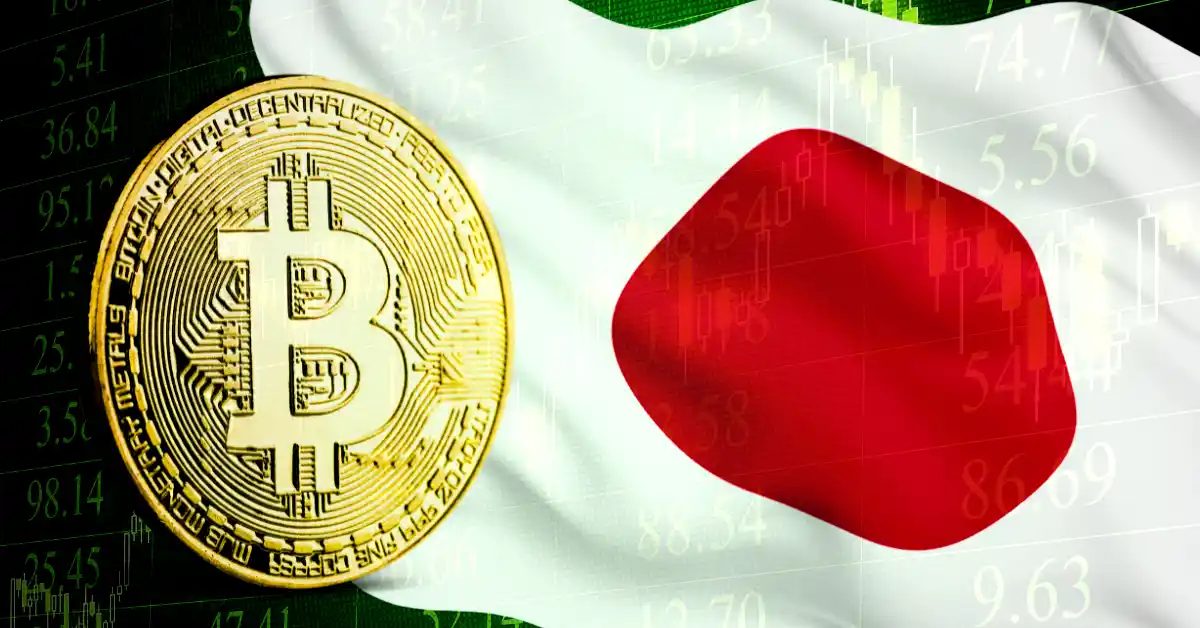
Japan is laying the groundwork to launch its first spot Bitcoin ETF by 2028, following the passage of landmark legislation that reclassifies cryptocurrencies as financial assets. Analysts estimate the country's Bitcoin ETF market could attract nearly $20 billion in fresh investment by the end of fiscal 2028, positioning Japan as one of Asia's largest regulated crypto fund markets.
Major financial institutions including Nomura and SBI are already preparing Bitcoin ETF products ahead of expected regulatory approval, according to local reports.
Japan's New Crypto Law Opens the Door for Bitcoin ETFs
Japan's government has officially begun preparations for its first spot Bitcoin ETF after approving a new law that recognizes cryptocurrencies as financial assets under the Financial Instruments and Exchange Act (FIEA). The country's Financial Services Agency (FSA) is now working on updated investment fund rules to accommodate the new classification.
Previously, cryptocurrencies were primarily treated as payment methods under Japan's Payment Services Act. The reclassification gives Bitcoin, Ethereum, XRP, and other digital assets a clearer legal status as financial instruments. The FSA's rulemaking is the key implementation step because the law changes the classification of crypto assets, while revised fund rules would determine how regulated investment products can hold and offer crypto exposure.
Japan is also planning to reduce crypto taxes from 55% to 20%, a move widely expected to draw more investors into the digital asset market.
According to local reports, regulators are aiming to list the country's first spot Bitcoin ETFs on the Tokyo Stock Exchange by 2027 or 2028.
Japan Could Launch Its First Bitcoin ETF as Early as 2028 Japan could introduce its first Bitcoin exchange-traded fund as early as 2028, as the Financial Services Agency prepares to revise investment-fund rules following legislation that brings crypto assets under the Financial… pic.twitter.com/yuY9Pbfcpu — Wu Blockchain (@WuBlockchain) July 23, 2026
Japan Bitcoin ETF Could Unlock Nearly $20 Billion
Japan's ETF market could become one of the largest in Asia once the regulatory framework is finalized. According to estimates from domestic financial institutions, crypto investment trusts — including Bitcoin ETFs — could attract up to JPY 3 trillion (approximately $19.5 billion) by the end of fiscal 2028.
Portfolio diversification is a key driver of institutional interest. Aiyu Kiguchi, Executive Director of Investment Management at the National Business Pension Fund, said the fund has already begun investing in crypto funds managed by overseas hedge funds, citing Bitcoin's low price correlation with the U.S. dollar.
Kiguchi's pension fund manages 21.5 billion yen in assets and plans to initially allocate 1% of its portfolio to digital assets. If spot Bitcoin ETFs become available domestically, larger institutions such as Japan's Government Pension Investment Fund (GPIF) could gain a more straightforward regulated path into Bitcoin exposure. For pensions and asset managers, a domestic ETF structure would also place access to Bitcoin exposure inside Japan's regulated fund market rather than relying only on overseas crypto fund vehicles.
Can Japan Replicate U.S. Bitcoin ETF Success?
Japan's initiative follows the strong performance of U.S. spot Bitcoin ETFs since their launch in January 2024. U.S. Bitcoin ETFs have attracted more than $51.68 billion in cumulative net inflows, with combined assets under management reaching $78.81 billion — representing approximately 6.03% of Bitcoin's circulating supply.
BlackRock's iShares Bitcoin Trust (IBIT) has led the market with more than $60.6 billion in cumulative inflows.
If Japan follows a comparable trajectory, analysts believe the country could emerge as one of Asia's largest regulated Bitcoin ETF markets over the coming years. The next milestones are the FSA's revised investment fund rules, the proposed tax changes, and any formal Tokyo Stock Exchange listing process for products now being prepared by financial institutions.

