Japan Adds Crypto Exchange Garantex to Expanded Russia Sanctions Over Ukraine War
Key Takeaways
- •Japan's sanctions package places 33 organizations and nine individuals with Russian links under asset freezes that prohibit payments and capital transactions with designated parties.
- •Garantex joins the list after prior US designations in April 2022 and August 2025, the latter also covering its successor platform Grinex.
- •Blockchain intelligence firm TRM Labs has said Garantex appears to prepare contingency plans ahead of enforcement, allowing it to relaunch as Grinex and migrate clients, infrastructure, and funds.
- •The measures also cover 35 tankers in Russia's 'shadow fleet,' restricting services such as repairs and insurance to reinforce the G7 oil price cap introduced in December 2022.
- •Japan states the sanctions are intended to help reduce Russia's earnings from crude oil exports.
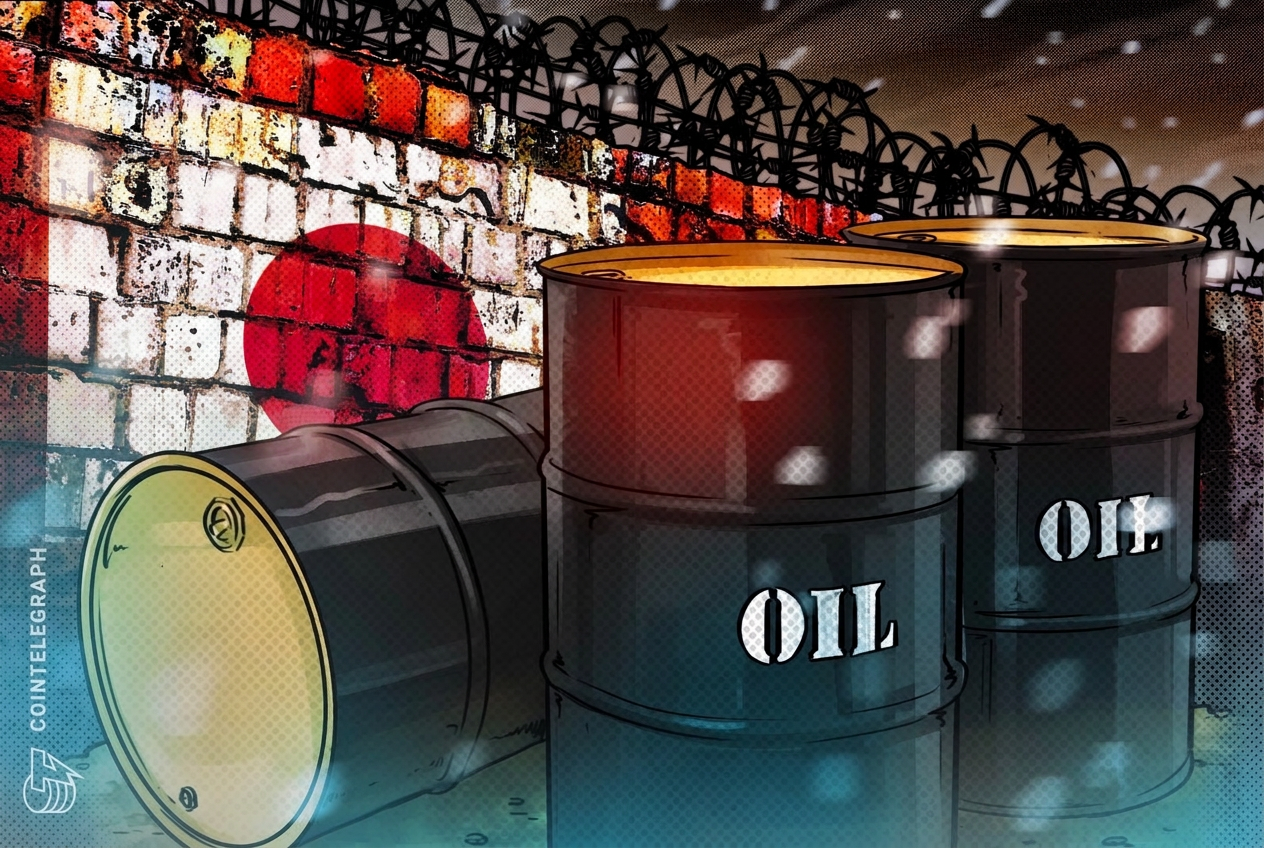
Japan has added Russian cryptocurrency exchange Garantex to its expanded list of sanctions against Russia, citing the continuation of the war in Ukraine.
Officials placed 33 organizations and nine individuals with links to Russia on an asset-freeze list that restricts payments and capital transactions with the designated parties, according to a joint statement issued on Friday by Japan's Ministry of Foreign Affairs, Ministry of Finance and Ministry of Economy, Trade and Industry.
The announcement is part of Japan's broader sanctions framework against Moscow, which Tokyo has tightened in step with its Group of Seven partners since Russia launched its full-scale invasion of Ukraine in February 2022. Asset freezes under the framework prohibit Japanese parties from carrying out payments and capital transactions with listed entities and individuals.
Garantex was previously sanctioned by the United States, the European Union and other jurisdictions for helping Russian entities evade financial restrictions. The US Treasury's Office of Foreign Assets Control (OFAC) first blacklisted the exchange in April 2022. In August 2025, OFAC moved against Garantex a second time, designating the exchange along with its successor platform, Grinex (related coverage). With the latest designation, Tokyo now applies the same asset-freeze restrictions to the exchange, barring Japanese parties from payments and capital transactions involving Garantex.
Despite the successive penalties, Garantex may already have had a contingency plan in place that allowed it to skirt the impact of US actions, according to blockchain intelligence firm TRM Labs, as Cointelegraph reported in August 2025. In a report, TRM Labs said such sanctions may prove ineffective because entities like Garantex “appear to prepare contingency plans well in advance of anticipated enforcement measures,” which allows them to quickly migrate clients, infrastructure and funds to successor platforms. Garantex relaunched under the Grinex brand after enforcement actions disrupted its original platform, shifting millions in the process (related coverage). That track record frames the central question raised by Japan's move: whether a designation from another G7 government can constrain an operator that has already shown it can relaunch under a new brand.
The new measures also target 35 vessels identified as part of Russia's so-called “shadow fleet,” a network of aging tankers with opaque ownership that carries Russian oil and helps Moscow evade existing restrictions, including the G7 oil price cap imposed in December 2022. The measures specifically restrict services covering the designated vessels, including repairs and insurance.
Through the sanctions, Japan aims to help reduce Russia's earnings from crude oil exports.
Source: Cointelegraph

