NYT Columnist Jamelle Bouie: Trump's 'Truly Shocking' Racist Post Is Grounds for Impeachment
Key Takeaways
- •Columnist Jamelle Bouie accused President Trump of attempting to incite a race riot through a Truth Social post calling on white Minnesota residents to fight back against the state's Somali immigrant population.
- •Bouie argued the post continues a pattern of Trump denigrating Somali Americans, and compared his rhetoric unfavorably with figures such as George Wallace and Woodrow Wilson.
- •Bouie contended that the Constitution's 'high crimes and misdemeanors' impeachment standard addresses transgressions against the political order rather than being limited to literal crimes.
- •Bouie said new impeachment articles could be pursued if Democrats retake control of Congress in the midterm elections, noting impeachment originates in the House of Representatives.
- •Trump was impeached twice during his first term, over Ukraine dealings in 2019 and incitement of insurrection in 2021, and was acquitted by the Senate both times.
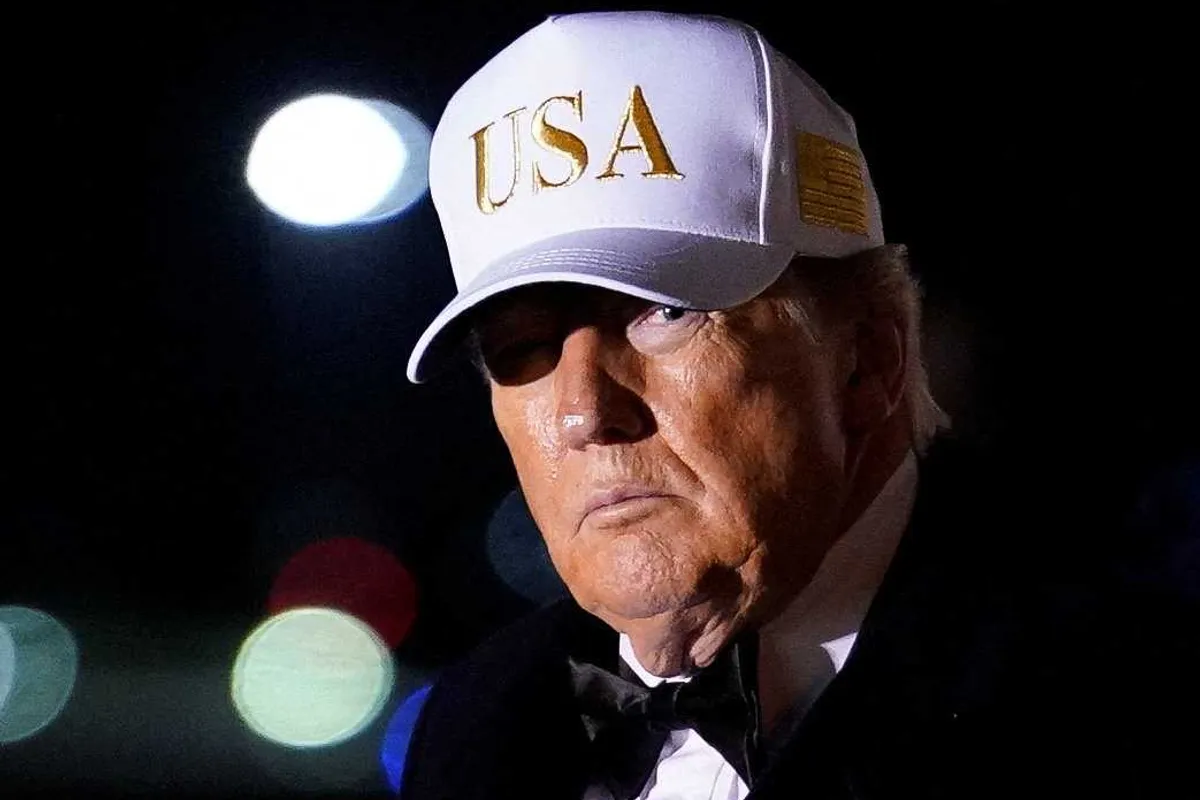
President Donald Trump's latest Truth Social post drew sharp condemnation this week from New York Times columnist Jamelle Bouie, who described it as part of a "truly shocking" trend of racist rhetoric and argued that it constitutes sufficient grounds for new impeachment charges.
In his latest "Takes" video on YouTube, Bouie highlighted Trump's post from earlier this week, describing it bluntly as an attempt to "incite a race riot" by calling on white Minnesota residents to "fight back" against the state's Somalian immigrant population.
While Bouie acknowledged that racist statements from Trump may come as little surprise, he argued that this instance warrants particular attention as "a testament to how transgressive and fundamentally reprehensible this president and this administration is," and because it continues a pattern of Trump attacking Somali Americans, whom he "routinely denigrates in vicious racist terms."
"I genuinely have a hard time finding the exact words for describing how transgressive this behavior is, how fundamentally deviant it is in American politics," Bouie said. "It's actually hard at the level of federal politics to find politicians who are as openly racist as the president."
Bouie noted that some Jim Crow-era politicians may have matched the level of racism espoused by Trump, but observed that even the infamously racist George Wallace moderated his rhetoric and avoided attacking specific groups as he attempted to transition to national politics. Even Woodrow Wilson, "who probably holds or held the crown for the most racist president of the 20th century," conducted his rhetoric with more "class" than Trump, according to Bouie.
Taken together, Bouie argued, these comments should form the basis for impeaching Trump once again, should Democrats retake control of Congress in the midterm elections. Under the Constitution, impeachment articles originate in the House of Representatives. Trump was impeached twice during his first term — in 2019 over his dealings with Ukraine and in 2021 on a charge of incitement of insurrection following the January 6 attack on the Capitol — and was acquitted by the Senate both times, with conviction requiring a two-thirds supermajority that neither vote reached.
"It is really something; it is extraordinary, and the fact that he wants to incite violence against Somali Americans in the same way that he wants to incite violence against Haitian Americans is a fundamental dereliction of duty," Bouie explained. He went on to argue that the Constitution's impeachment standard of "high crimes and misdemeanors" is not confined to literal crimes: "It isn't about the criminal code. Of course, breaking the law, violating the criminal code, is certainly grounds for impeachment, or should be. Even Trump versus the Supreme Court decision that created criminal immunity for the president doesn't preclude impeachment for breaking the law in this way, but the impeachment process isn't principally about crimes. It's about transgressions against the political order. You might call [them] crimes against the republic, which may not be literal crimes but need to be punished in some way."
Bouie added that presidential words carry real consequences: "Presidential rhetoric is not an idle thing. It has real weight; it matters; the words presidents use are never idle. They may think that they're idle, they might just be yapping, but in point of fact, when you're the most powerful person in the world, every utterance really matters. Every utterance shapes the public culture of the United States. It shapes the world, and so the president engaging in open racist demagoguery and trying to incite race riots, that's an impeachable offense. That's something for which a president should be removed, and even if removal isn't possible... I think it still matters to say to the country, to say to the world, that we do not believe that this is acceptable."
Source: Alternet

