JAMB Moves O'Level Result Verification and Upload Online for 2026 UTME Candidates
Key Takeaways
- •JAMB's new online system enables 2026 UTME candidates to verify and upload O'Level results from home rather than visiting a Computer-Based Test centre.
- •The e-Facility platform integrates first with WAEC, and the Board gave no timeline for connecting other examination bodies such as NECO or NABTEB.
- •Candidates initiate verification using their National Identification Number and complete uploads with a verification code sent to shortcodes 55019 or 66019, or through their e-Facility profile for two sittings.
- •Candidates must select between five and nine subjects from their verified results, with no subject selected more than once.
- •The Board says direct verification addresses misplaced paper results, fraudulent certificates, and subject or grade entry errors, extending a digitisation effort that began with CAPS in 2017.
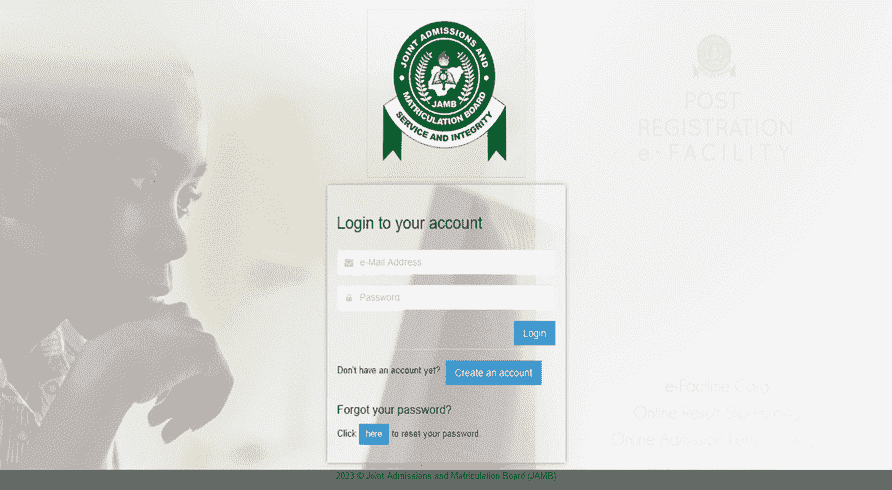
The Joint Admissions and Matriculation Board (JAMB) has introduced an online system that enables 2026 Unified Tertiary Matriculation Examination (UTME) candidates to verify and upload their O'Level results without visiting a Computer-Based Test (CBT) centre.
The UTME serves as Nigeria's centralised entrance examination for universities, polytechnics and colleges of education, with more than a million candidates registering in a typical year — a scale that has long placed pressure on CBT centres and manual processing channels.
The announcement was made by Fabian Benjamin, JAMB's acting director of public affairs and protocol, in a statement issued on Monday.
According to the Board, the new system connects its e-Facility platform directly with examination bodies — beginning with the West African Examinations Council (WAEC) — so that candidates' results are verified against official records before they are added to their profiles. WAEC administers the West African Senior School Certificate Examination (WASSCE), one of the main O'Level qualifications used for Nigerian university entry, alongside certificates from bodies such as the National Examinations Council (NECO) and the National Business and Technical Examinations Board (NABTEB). Verified O'Level results are a standard admission requirement, with most degree programmes demanding credit passes in relevant subjects, typically including English Language and Mathematics.
How the verification process works
Candidates can initiate the O'Level verification process from home by providing their National Identification Number (NIN) — an identifier the Board has required for UTME registration since the 2021 examination cycle — selecting the number of sittings, and choosing the relevant examination body. They will then provide their contact and examination details, make payment, and enter their examination number, series, and year.
Once a result has been successfully verified, the candidate receives a verification code, which is used to initiate the upload. Candidates are then required to send "VERIFY" followed by their verification code to 55019 or 66019, the same shortcodes JAMB already uses for candidate services such as profile creation.
Candidates with two sittings will be directed to their JAMB e-Facility profile, where they can select the "2026 UTME O'Level Upload" option and enter their verification code. They can then select the required subjects from their verified results before submitting the application.
JAMB said candidates must select between five and nine subjects, with no subject selected more than once.
Addressing problems of manual uploads
The Board said the direct verification process is intended to address problems associated with manual result uploads, including misplaced paper results, fraudulent or unverified certificates, and errors in entering subjects and grades. Result falsification and certificate racketeering have been recurring concerns in Nigeria's examinations and admissions system, issues regulators have sought to curb through stronger credential verification.
"Through the integration of JAMB's eFacility platform with examination bodies, results can now be verified directly against the examination body's records before being downloaded into the candidate's profile," the Board said.
The system should also reduce unnecessary visits to CBT centres, particularly during periods of high patronage and network congestion.
The move represents another step in JAMB's shift towards digital processing of examination and admission-related services, replacing a process that previously relied more heavily on manual entry and physical visits to CBT centres. The Board had earlier digitised other parts of the admissions chain, introducing the Central Admissions Processing System (CAPS) in 2017 to centralise and automate admission decisions. The statement did not indicate when examination bodies beyond WAEC would be connected to the new verification system.

