Sen. Rick Scott defends sweeping claim that Democrats are “socialists” and “antisemitic” in tense CNN exchange
Key Takeaways
- •Sen. Rick Scott reaffirmed on CNN that he views Democrats as socialists and antisemites, prompting anchor Jake Tapper to note the characterization painted the entire party with a broad brush.
- •Scott acknowledged his own Florida campaigns were not fought on those accusations, having instead emphasized balancing the budget, reducing regulation, and creating jobs.
- •The senator voiced confidence that Republicans will prevail in November, pointing to strong candidates and successful fundraising.
- •During an April CNN appearance, Scott was confronted by anchor Kaitlan Collins over his shift on the filibuster, having previously described the 60-vote rule as vital to protecting minority party rights.
- •Politico reported in June that Scott is pursuing a top Senate Republican leadership role despite being decisively defeated by Leader John Thune in a 2024 conference election.
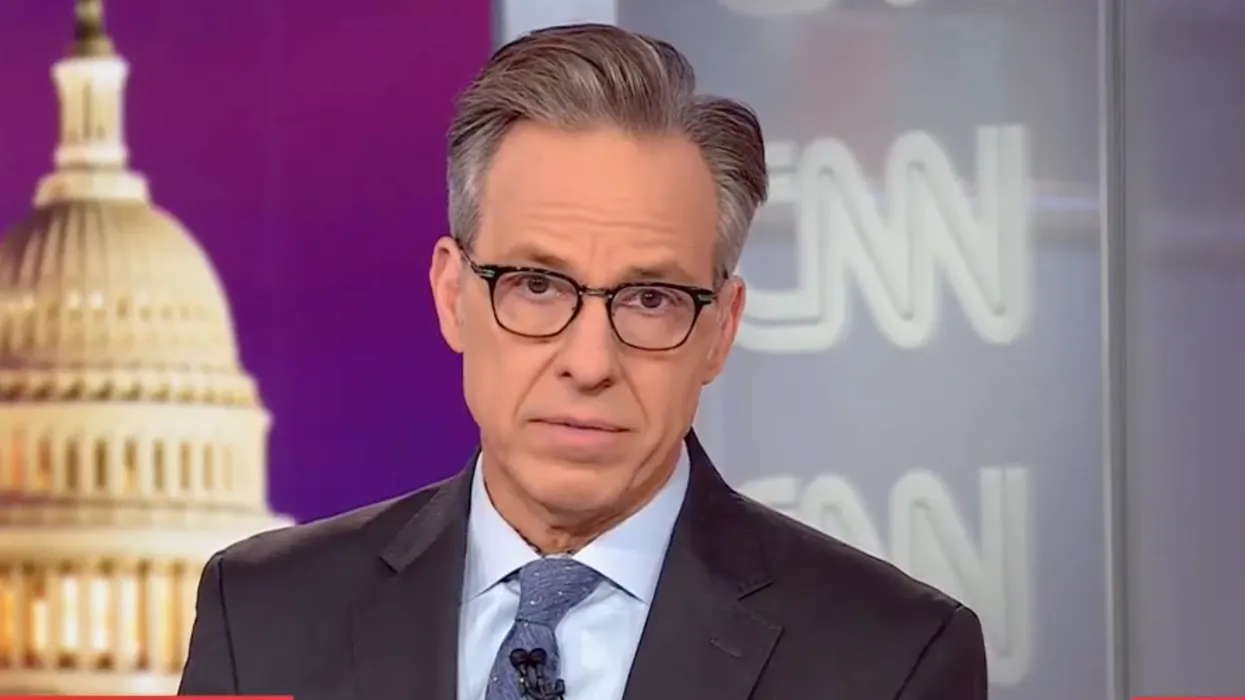
Sen. Rick Scott (R-FL) was challenged Monday on CNN’s “The Lead” to defend his assertion that Democrats are universally socialists and antisemites, a characterization anchor Jake Tapper suggested painted the opposing party “with a rather broad brush.”
According to ite’s Jennifer Bowers Bahney, Tapper pressed Scott on the remarks, prompting the Florida senator to acknowledge that his own campaigns had not been fought on those grounds.
“Well, I think the point is, you know, the Democrats have all become socialists. They’re antisemitic, they’re anti-police. They want open borders. They want bigger and bigger government. They hate fossil fuels,” Scott told Tapper.
“So, you know, it’s not where I can tell you where Floridians are. That’s not how I won my races. I talked about balancing the budget and reducing regulation and focus on jobs. And that’s how we’re going to win in November. And I’m still, Jake, I’m optimistic. We’re going to win. We have great candidates. We’ve raised money. So, as long as they get their message out, we’re going to win,” he added.
The exchange was not Scott’s first brush with unfavorable publicity stemming from a high-profile television interview. Appearing in April on CNN with anchor Kaitlan Collins, Scott was confronted over an apparent inconsistency in his views on the filibuster. The 60-vote threshold at the center of that debate is the Senate rule that effectively requires supermajority support to advance most legislation, a hurdle that has long given the minority party leverage to stall bills regardless of which party controls the chamber.
“They use this 60-vote threshold filibuster, which I think we ought to get rid of,” Scott told Collins.
“Just a moment,” Collins interjected. “Since you mentioned the filibuster and you said you should get rid of it, when Republicans were in the minority you described it repeatedly as vital and necessary to protect minority party’s rights. … Why do you have a different position now that Republicans are in the majority?”
Scott replied that the Senate should require genuine debate: “Well, let’s do the filibuster. But it means you talk. I mean, we’re not making people talk. The filibuster was set up – so I’m fine with, if we were going to do the filibuster, where people have to talk. The filibuster … was … used to say, we’re going to have a conversation. And then at some point, once we’re done, we vote. I’m, I’m fine with that. But we don’t make people talk. So, if we’re not going to make people talk —”
“But Republicans are in charge,” Collins said.
“Well, I mean, look, I’m from Florida,” Scott responded. “This is what I — this is what I believe in. I talk to the people in my state. They agree with me. I’ve been clear on what I believe.”
Despite such contentious on-air moments, Scott has reportedly had his sights set on a top Senate Republican leadership post. In June, Politico reported that Scott — “after a long career in business, two terms as governor and nearly eight years as senator — just isn’t a back-bench kind of guy.”
“He has lots of thoughts on how the Senate should be run and a willingness to express them, even if it puts him at odds with Thune’s vision,” Politico reported, referring to Senate Republican Leader John Thune. “The leader, who trounced Scott in a 2024 conference election, has largely avoided holding doomed votes that would split Republicans and, like many GOP senators, would like nothing more than to get past the months-long intra-party fight over the SAVE America Act, the elections bill pushed by Trump.”
The interplay between Scott’s November-focused messaging and his reported leadership ambitions is one thread to watch as the conference works through the SAVE America Act fight.

