Trump DOJ Push on Biden Recordings Could Complicate Fight Over Jack Smith Report
Key Takeaways
- •American Oversight and the Knight First Amendment Institute asked the 11th Circuit to remove the block on Jack Smith’s report.
- •U.S. District Judge Aileen Cannon barred release of the report in January 2025 and made that order permanent in February 2026.
- •The underlying criminal case against Trump’s co-defendants collapsed weeks after the sealing order was entered.
- •A federal appeals court in Washington recently allowed release of Biden-related audio recordings after rejecting his privacy-based challenge.
- •The transparency groups say the public has a significant interest in reviewing special counsel investigations, including cases that ended without a conviction.
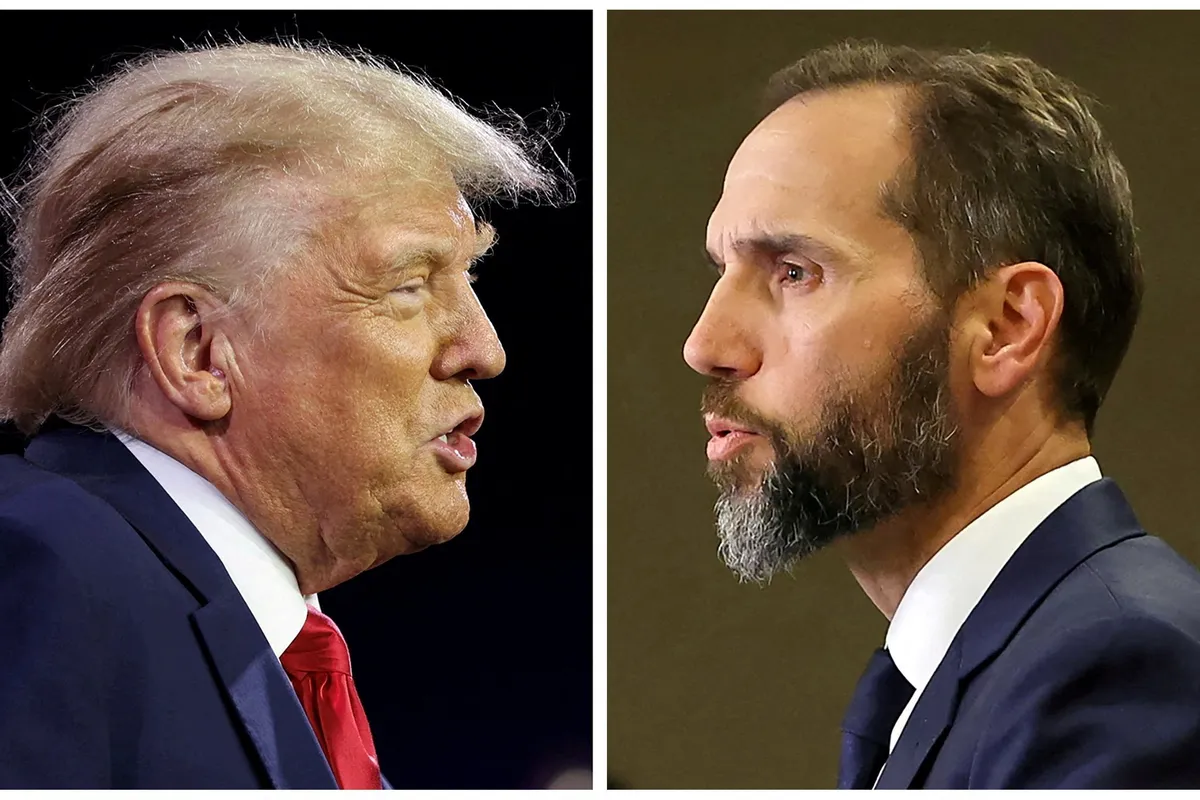
President Donald Trump's effort to keep Jack Smith's report on his alleged illegal activity secret could be undermined by his own Justice Department's push to release recordings of former President Joe Biden.
Two transparency groups filed briefs with a federal appeals court this week, asking it to lift the order blocking public release of former special counsel Jack Smith's report on Trump's alleged mishandling of classified documents.
The groups — American Oversight and the Knight First Amendment Institute at Columbia University — said the appeals court has both the power and the obligation to act, according to reply briefs filed in the 11th Circuit.
Court records show the report has been blocked from public release since January 2025, when U.S. District Judge Aileen Cannon, sitting in Florida, barred the Justice Department from releasing it to protect the fair-trial rights of Trump's co-defendants, Waltine Nauta and Carlos De Oliveira.
The criminal case collapsed weeks later, but Cannon made the order permanent in February 2026 anyway.
Earlier this year, according to court filings, Trump's Justice Department reversed a years-long policy and moved to release audio recordings of Biden's private conversations with his biographer, framing the move as a push for government transparency.
Trump personally pushed to make the recordings available as part of his years-long smear campaign against the former president.
"I'd like to see it," Trump said at a May Cabinet meeting. "The man was grossly incompetent."
Biden sued to block the release. On July 21, according to CBS News, a federal appeals court in Washington denied his request in a 2-1 ruling, finding he had not shown that privacy laws barred the recordings from disclosure.
"If the government does not oppose that motion, and the court grants it, that information, no matter its public import, will remain forever hidden because there is no avenue for a third party to challenge the order," American Oversight wrote in its reply brief, calling the Biden case "curiously familiar" and turning the ruling directly against Trump's injunction.
The Washington court also found that the public holds a "weighty" and "significant" interest in scrutinizing special counsel investigations, even when no charges are brought, American Oversight noted.
The group argued that interest is even stronger when charges were filed, and a prosecution proceeded before the case collapsed. That point goes to the broader dispute over whether the public can see material tied to a high-profile federal investigation once a criminal case has ended, especially when the underlying report remains sealed by court order.
The Knight First Amendment Institute separately said in its reply brief that neither Trump's legal team nor the Justice Department has tried to argue that the public's right of access has been overcome, and that silence, the group argued, is enough for the court to rule against them.
The 11th Circuit now holds the question, with the Biden recordings fight adding a new layer to an already closely watched clash over government transparency and sealed investigative records.

