Jack Smith's Lawyers Reject Jim Jordan's Criminal Referral as 'Spurious' Bad-Faith Attack
Key Takeaways
- •Jack Smith's attorneys released a July 22 letter calling Representative Jim Jordan's criminal referral spurious and accusing Jordan of acting in bad faith against a nonpartisan public servant.
- •Jordan referred Smith under the federal false-statements statute, alleging Smith should have disclosed during his December 2025 deposition that his team obtained text messages from 44 members of Congress through a National Archives request.
- •Smith's lawyers argued that the referral does not contest the truthfulness of Smith's actual answers and instead relies on an unprecedented legal theory that the D.C. Circuit Court of Appeals has already rejected.
- •The letter noted that Acting Attorney General Todd Blanche, who previously served as Trump's personal defense attorney, received the congressional text messages during discovery but never challenged their legality in court.
- •Congressional criminal referrals carry no binding legal authority, and charging decisions rest solely with the Justice Department.
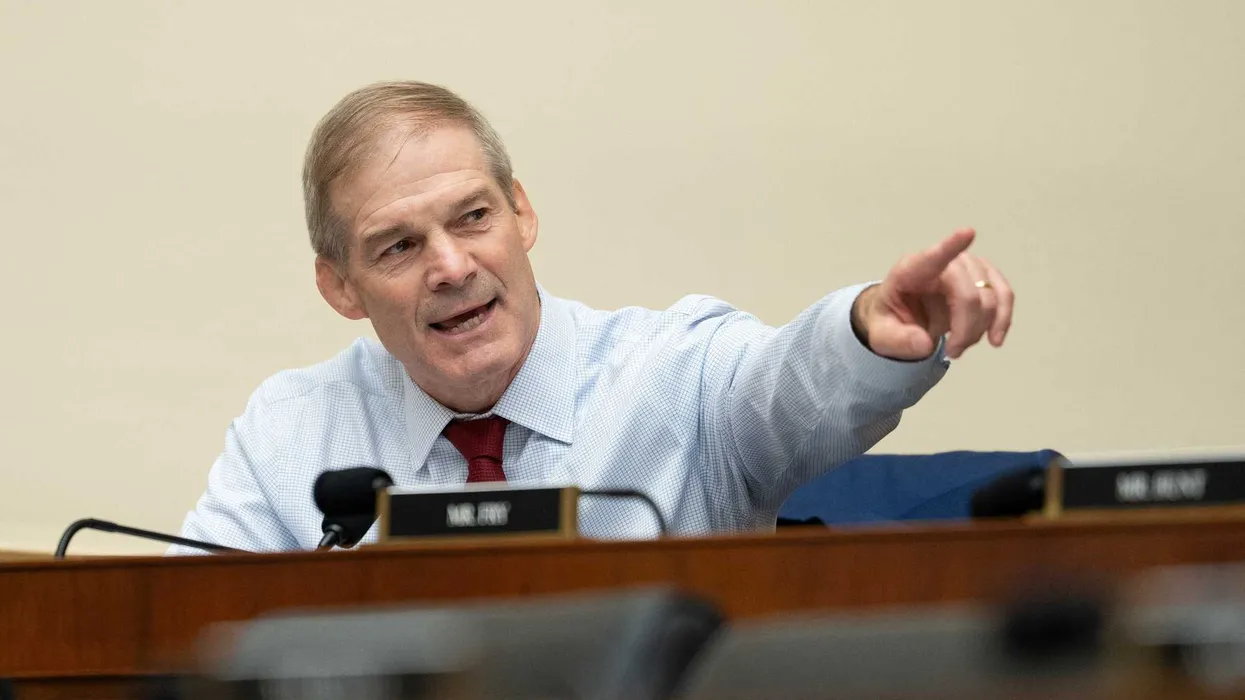
A letter from former Special Counsel Jack Smith's legal team was made public on Friday, sharply rejecting Representative Jim Jordan's (R-OH) criminal referral as a bad-faith assault on a "nonpartisan public servant."
Attorneys Lanny Breur and Peter Koski addressed the July 22 letter to Jordan and Acting Attorney General Todd Blanche, denouncing the referral as "spurious." Legal journalist Roger Parloff shared a downloadable version of the document on Friday via X, describing it as a "succinct demolition of Jim Jordan's bad-faith accusations." The letter is also available through DocumentCloud.
Jordan referred Smith to the Justice Department last week, alleging that Smith made false statements during his December 2025 deposition before the House Judiciary Committee. Smith had testified that his team sought only call records from lawmakers during his investigations into Donald Trump — which included the classified documents case and the election interference case — specifically, call logs showing who contacted whom, without any message content.
Jordan contended that Smith should have proactively disclosed that his team separately obtained text messages from 44 members of Congress through a National Archives request for White House phones. Jordan referred Smith under the federal false-statements statute. Congressional criminal referrals carry no binding legal authority; charging decisions rest solely with the Justice Department.
Smith's legal team methodically dismantled Jordan's reasoning in their July 22 letter.
"During his testimony, Mr. Smith provided truthful, responsive answers and candidly discussed his work as Special Counsel," Breur and Koski wrote. "Those answers are unimpeachably truthful. Notably, the referral letter does not contest the truthfulness of Mr. Smith's answers."
Jordan's fallback argument, the letter stated, relied on an "unprecedented theory" — that Smith committed perjury "not because of what he said, but because of what he did not say."
"This dangerous theory of criminal liability has no limiting principle and risks ensnaring every witness who testifies before a congressional committee who does not proactively disclose information that is not responsive to a question asked," Breuer and Koski wrote.
The letter noted that the D.C. Circuit Court of Appeals had already rejected that theory, citing a ruling holding that witnesses are not required to volunteer answers to questions they were never asked.
Multiple former federal prosecutors have similarly criticized the legal theory advanced by Jordan.
"This referral letter is an embarrassment," former federal prosecutor Kyle Freeny told CBS News.
"If they have bad questions, they do not get the answers that they want. It's almost like deposition 101," Freeny added.
Former prosecutor Gregory Rosen called the referral "legally untenable, if not ridiculous."
"If Congress wanted different answers, they should have asked different questions," Rosen said.
Jordan additionally argued that obtaining the texts violated the Constitution's Speech or Debate Clause, which shields lawmakers' official acts from scrutiny. Smith's lawyers countered that point as well, noting that the messages were voluntarily sent by members of Congress to White House officials and did not involve any intrusion into legislative business.
The letter also pointed out that Blanche — Trump's former personal defense attorney in both of the federal cases Smith brought against him — would have received the congressional text messages as part of the discovery process, yet never challenged their legality in court.
"If President Trump's attorneys thought that Mr. Smith and his team had done something unlawful or improper in obtaining these text messages, they could have filed a motion to that effect," Breuer and Koski wrote. "Notably, they did not."
"President Trump has repeatedly ordered that Mr. Smith be prosecuted and jailed," Breuer and Koski wrote. "That is not the rule of law."

