Israeli Airstrikes Kill at Least 15 in Gaza as National Security Minister Rejects US-Backed Ceasefire Draft
Key Takeaways
- •Israeli airstrikes on August 2 killed at least 15 to 17 Palestinians across residential areas of Gaza City, Deir al-Balah, and Khan Younis.
- •National Security Minister Itamar Ben-Gvir rejected a US-backed draft agreement proposing Hamas disarmament and a phased Israeli withdrawal from Gaza.
- •Gaza health authorities report that cumulative Palestinian deaths since the October 2025 ceasefire have surpassed 1,230 amid repeated violations and localized fighting.
- •Ben-Gvir's Otzma Yehudit party, critical to Netanyahu's coalition majority, has previously threatened to collapse the government over concessions perceived as lenient toward Hamas.
- •Prolonged Middle East instability could drive increased stablecoin adoption in conflict-affected regions and divert US diplomatic bandwidth away from domestic crypto regulation efforts.
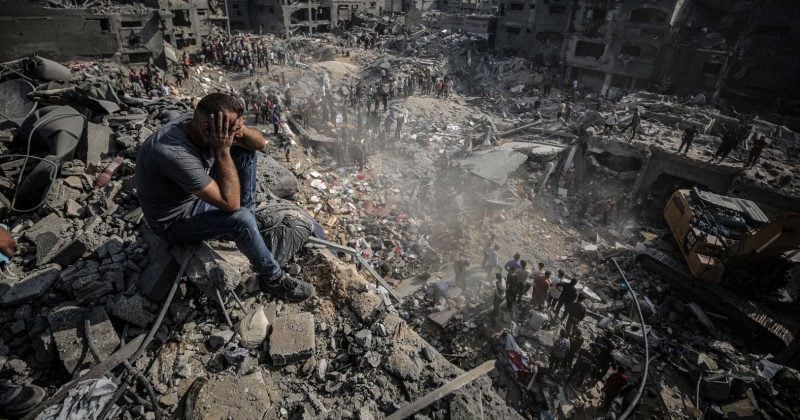
Israeli airstrikes struck multiple areas of Gaza on August 2, killing at least 15 to 17 Palestinians, according to Palestinian health officials and reporting from Reuters and Al Jazeera. The strikes hit residential neighborhoods in Gaza City, Deir al-Balah, and Khan Younis — communities that have experienced repeated cycles of displacement and infrastructure damage throughout the conflict.
Hours after the attacks, Israeli National Security Minister Itamar Ben-Gvir publicly rejected a US-backed draft peace agreement aimed at disarming Hamas and establishing a phased Israeli withdrawal from Gaza, calling the proposal "unacceptable." Ben-Gvir leads the far-right Otzma Yehudit party, which holds seats critical to Prime Minister Benjamin Netanyahu's governing coalition. His objections to ceasefire terms are consistent with his long-standing position that Israel should pursue total military victory in Gaza rather than negotiate a phased settlement, and his faction has previously threatened to collapse the coalition if the government agreed to concessions perceived as lenient toward Hamas.
Rising Toll Since the October 2025 Ceasefire
According to Gaza health authorities, cumulative Palestinian deaths since a ceasefire declared in October 2025 have now surpassed 1,230. That ceasefire, brokered with substantial US involvement, was intended to mark a turning point in the conflict. However, repeated violations and localized exchanges of fire have eroded its durability, leaving civilian populations in Gaza caught between fragile diplomatic frameworks and recurring military operations.
Political Significance of Ben-Gvir's Rejection
Ben-Gvir's rejection carries weight due to his cabinet position, which grants him direct influence over Israeli security policy. His portfolio includes oversight of the Israel Police and Border Police, institutions heavily involved in West Bank and East Jerusalem security operations. The draft agreement reportedly centered on two principal components: the disarmament of Hamas and a gradual, phased Israeli withdrawal from Gaza.
The Trump administration has maintained that disarming Hamas is essential for achieving lasting peace in Gaza, arguing that such measures would create the stability required for broader regional cooperation, including the normalization initiatives that have been a centerpiece of its Middle East foreign policy.
Broader Economic and Market Implications
Geopolitical instability in the Middle East has historically affected energy prices, which in turn influence inflation expectations and central bank policy decisions — dynamics that ripple across global risk asset markets, including cryptocurrencies.
A more concrete channel is the impact on stablecoin flows. Regions experiencing conflict or sanctions pressure have historically shown increased adoption of dollar-denominated stablecoins as a means of preserving value and facilitating cross-border transfers when traditional banking infrastructure is disrupted. Stablecoin volumes in the broader Middle East have risen during prior periods of instability.
The rejected ceasefire proposal also introduces a secondary consideration: prolonged US diplomatic engagement in Middle East negotiations could reduce Washington's bandwidth for domestic policy areas such as crypto regulation, SEC enforcement priorities, and stablecoin legislation — all of which remain at various stages of congressional and agency deliberation.

