Israel Reportedly Prepares for Military Action Against Iran Without U.S. Support
Key Takeaways
- •Israel is reportedly preparing for potential military action against Iran independently, without U.S. backing, according to social media reports.
- •Iran has demanded sanctions relief and formal recognition of its nuclear enrichment rights during ongoing negotiations, contributing to a diplomatic impasse.
- •The United States withdrew from the 2015 Joint Comprehensive Plan of Action in 2018 under the Trump administration, leading to escalating sanctions and renewed enrichment activity by Iran.
- •Israel and Iran have maintained a long-standing shadow conflict across proxy arenas in Lebanon, Syria, Yemen, and Iraq, with Israel viewing Iran's nuclear program as an existential threat.
- •Gulf states including Saudi Arabia and the United Arab Emirates face potential security implications from any escalation in Israeli-Iranian hostilities.
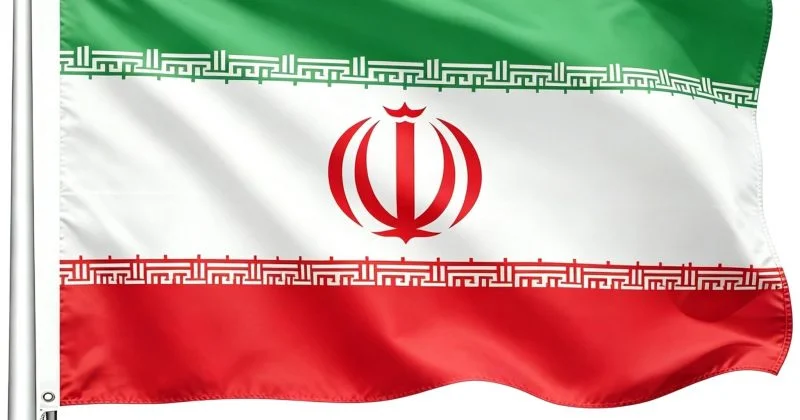
Israel is reportedly preparing to engage in a military conflict with Iran independently, without the backing of the United States, according to recent social media reports.
This development follows a period of heightened tensions after previous coordinated U.S.-Israeli strikes on Iran. The situation has been further complicated by Iran's firm stance in negotiations, in which Tehran has demanded significant concessions including sanctions relief and formal recognition of its nuclear enrichment rights. The current diplomatic friction builds on years of international efforts to constrain Iran's nuclear program, including the 2015 Joint Comprehensive Plan of Action (JCPOA), from which the United States withdrew in 2018 under the Trump administration, paving the way for escalating sanctions and renewed enrichment activity.
Israel and Iran have been engaged in a long-standing shadow conflict across the Middle East, with hostilities extending through proxy arenas in Lebanon, Syria, Yemen, and Iraq. Israel views Iran's nuclear program as an existential threat, while Iran has consistently maintained that its nuclear activities are peaceful and intended for civilian purposes. The International Atomic Energy Agency (IAEA) has repeatedly sought monitoring access to Iranian facilities amid disputes over compliance. The United States and Israel have historically coordinated closely on security matters related to Iran, though the current reports suggest a potential shift in that alignment.
Iran's demands in ongoing negotiations include the lifting of economic sanctions and acknowledgment of what it describes as its right to enrich uranium. These positions have created friction in diplomatic channels and contributed to the current impasse.
The reported Israeli preparations suggest a possible escalation in the ongoing conflict, which could impact diplomatic efforts and regional stability. Gulf states including Saudi Arabia and the United Arab Emirates have navigated complex relationships with both Iran and Israel in recent years, and any military action would carry implications for their security calculations as well. Observers are closely monitoring further developments in Israeli and Iranian military activities, as well as any statements from U.S. or Iranian officials that may provide additional insight into potential resolutions.
Any shifts in U.S. policy or involvement could alter the current trajectory and affect the broader geopolitical landscape in the region.

