Israel Raises Defense Alert Amid Reports of Potential US Strikes on Iran, Rattling Crypto Markets
Key Takeaways
- •Israel elevated its national defense posture around July 22 in response to reports that the United States may be preparing intensified strikes against Iranian targets.
- •Energy Minister Eli Cohen publicly stated on July 23 that Israel stands ready to respond forcefully to any Iranian aggression.
- •The Strait of Hormuz, through which approximately one-fifth of global oil passes, has become the primary flashpoint in the escalating US-Iran military friction.
- •Bitcoin fell roughly 40 percent from highs near $106,000 to around $63,000 during a period of intense military reporting, behaving more like a risk asset than a safe haven.
- •Analysts identify three key signals to monitor: concrete reports of strikes on Iranian infrastructure, naval confrontations or shipping disruptions in the Strait of Hormuz, and any diplomatic breakthroughs that could trigger a relief rally in digital assets.
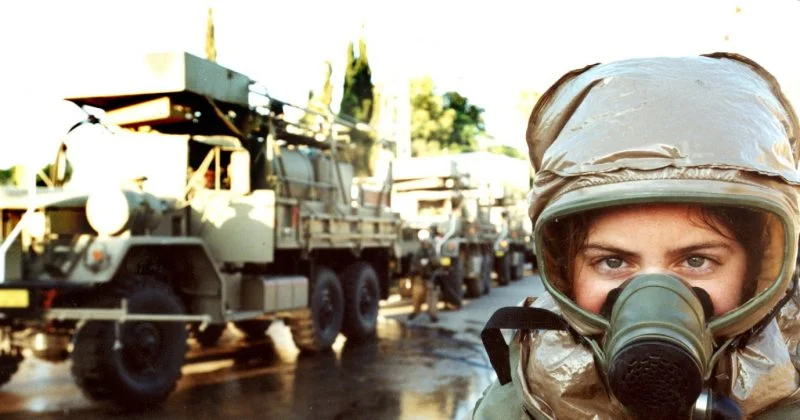
Israel elevated its national defense posture this week following reports that the United States may be preparing intensified strikes against Iranian targets. The decision stems from concerns that Tehran could retaliate against Israel, injecting fresh uncertainty into global markets and sending tremors through the cryptocurrency sector.
Israeli Energy Minister Eli Cohen addressed the situation publicly on July 23, warning that Israel stands ready to respond forcefully to any Iranian aggression.
Escalating Military Friction
The defense alert escalation occurred around July 22, capping a period of intensifying US-Iran military friction that traces back to late February. A series of joint US-Israeli strikes against Iranian assets earlier this year initiated what has become a protracted cycle of retaliatory attacks and unsuccessful diplomatic overtures.
The Strait of Hormuz — the narrow waterway through which roughly one-fifth of global oil passes — has emerged as the primary geographic flashpoint. Recent skirmishes near the strait have amplified fears of a broader conflict that could severely disrupt energy supplies.
Iran's network of regional allies, including Hezbollah in Lebanon and Houthi forces in Yemen, adds another layer of escalation risk. Any direct US-Iran confrontation carries the potential to draw in these proxy actors, opening additional fronts beyond bilateral exchanges and complicating de-escalation efforts.
President Trump has publicly urged restraint while simultaneously weighing further military options. A fragile ceasefire, already described as hanging by a thread, now appears even more precarious.
Bitcoin's Geopolitical Sensitivity
Earlier in 2026, Bitcoin was trading in the $104,000 to $106,000 range before experiencing declines that coincided with escalation incidents. During one period of particularly intense military reporting, the price fell toward $63,000 — a roughly 40% drawdown from recent highs.
During this conflict cycle, Bitcoin has behaved more like a risk asset than a safe haven. Its correlation with risk sentiment has been documented across multiple geopolitical episodes over the past several years, including the Russia-Ukraine war in 2022 and earlier Middle East flare-ups, where Bitcoin initially sold off alongside equities before decoupling in some cases.
The Oil Connection
The Strait of Hormuz situation introduces a second-order effect that crypto investors tend to underweight. A sustained disruption to oil flows through the strait would extend beyond spiking energy prices, cascading through inflation expectations, central bank policy calculations, and ultimately the liquidity environment that underpins risk asset valuations. Previous shipping disruptions in the strait, including tanker seizures and mine incidents, have produced sharp oil price spikes, providing a documented precedent for how even temporary chokepoint interruptions translate into broad market volatility.
Key Signals to Monitor
Several specific indicators are worth close attention. First, any concrete reports of strikes on Iranian nuclear or military infrastructure would likely trigger an immediate risk-off move across crypto markets. These reactions often occur within minutes of headline wires, making after-the-fact positioning nearly impossible.
Second, the Strait of Hormuz situation warrants close monitoring. Any naval confrontation or shipping disruption there would represent a meaningful escalation beyond current market expectations. Oil price spikes above certain thresholds have historically dragged crypto markets downward, as institutional investors reduce exposure across risk assets simultaneously.
Third, diplomatic channels remain relevant. Failed negotiations have been a recurring theme since February, but a genuine breakthrough — even a temporary one — could produce a sharp relief rally in Bitcoin and other digital assets.
Bitcoin's price discovery mechanism is currently being driven as much by geopolitics as by on-chain fundamentals, making awareness of position sizing relative to the geopolitical risk environment essential during periods of elevated military tension.

