Irish Finance Minister Blames Strait of Hormuz Closure for Energy Crisis, Not Ukraine
Key Takeaways
- •Ireland's Finance Minister attributed the ongoing energy crisis to the closure of the Strait of Hormuz, redirecting attention away from the conflict in Ukraine.
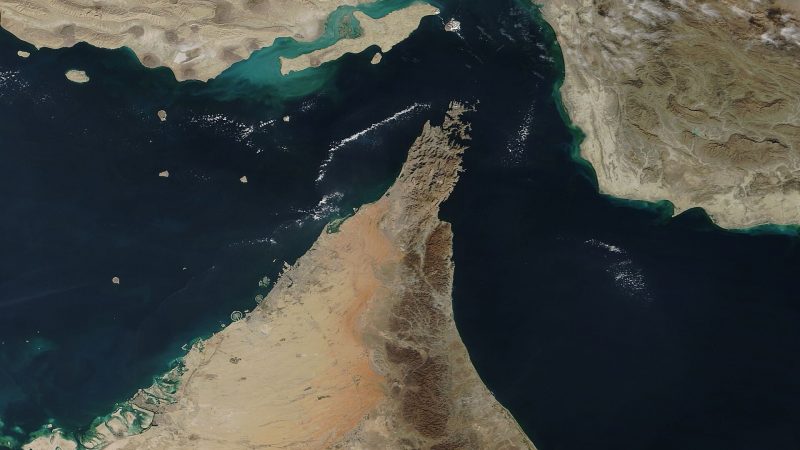
- •The Strait of Hormuz is the only sea passage from the Persian Gulf to the open ocean and carries roughly a fifth of global petroleum liquids consumption along with a significant share of global LNG exports.
- •The United States continues to oppose Iran's imposition of fees on passage through the strait, a stance that has not changed despite the minister's remarks.
- •Prediction markets currently assign a 5.9% probability to the United States charging Hormuz passage fees by December 31, 2026, signaling skepticism about any policy shift.
- •Observers are watching potential statements from President Trump and Secretary of State Rubio, as well as Iran's handling of the fees, since official confirmation or denial from Tehran could influence market expectations and regional geopolitics.
The Irish Finance Minister has attributed the ongoing energy crisis to the closure of the Strait of Hormuz, redirecting attention away from the conflict in Ukraine, according to remarks reported by Euronews. The remarks effectively reframe the debate over the crisis's drivers, shifting focus from the war in Ukraine to disruptions at one of the world's most consequential maritime chokepoints.
The comments underscore the strategic weight of the Strait of Hormuz, a critical oil transit chokepoint. The waterway, which lies between Iran and Oman and connects the Persian Gulf to the Gulf of Oman, is the only sea passage from the Persian Gulf to the open ocean, making it one of the world's most important energy arteries and carrying roughly a fifth of global petroleum liquids consumption as well as a significant share of global liquefied natural gas exports. That lack of alternative routes helps explain why its closure has exacerbated global energy supply concerns and carries substantial geopolitical implications.
The United States continues to oppose Iran's imposition of fees on passage through the Strait, a stance that remains unchanged notwithstanding the minister's remarks.
Market pricing points to a slight decline in the perceived likelihood that the United States will charge fees for passage through Hormuz, reflecting the concentration of attention on Iran's actions. Prediction markets, which aggregate traders' expectations about real-world events, currently put the chance of the United States charging such fees by December 31, 2026 at 5.9%, a level that signals skepticism about any policy change.
Observers are monitoring potential statements from U.S. officials, including President Trump and Secretary of State Rubio, for signs of any shift in policy on Hormuz passage fees. Iran's approach to the fees — whether it maintains or adjusts them — will also be closely watched, and any official confirmation or denial from Tehran could shape market expectations and the broader geopolitical dynamics in the region.

