Trump Claims US Sanctions Destroying Iran's Currency as Rial Plummets
Key Takeaways
- •President Trump displayed a chart indicating the Iranian rial depreciated from approximately 900,000 to 1,900,000 per US dollar between January 2025 and July 2026.
- •US sanctions targeting Iran's oil exports, banking sector, and access to international financial systems constitute the core of the administration's maximum economic pressure campaign.
- •Prediction market participants have reduced the likelihood of Iran Reconstruction Funding being included in a 2026 US-Iran deal to 28.5%, indicating growing skepticism about a comprehensive agreement.
- •US Chief Negotiator Mike Vance and Iranian Foreign Minister Javad Zarif, who was central to the 2015 nuclear agreement, are the principal diplomatic figures for any potential negotiations.
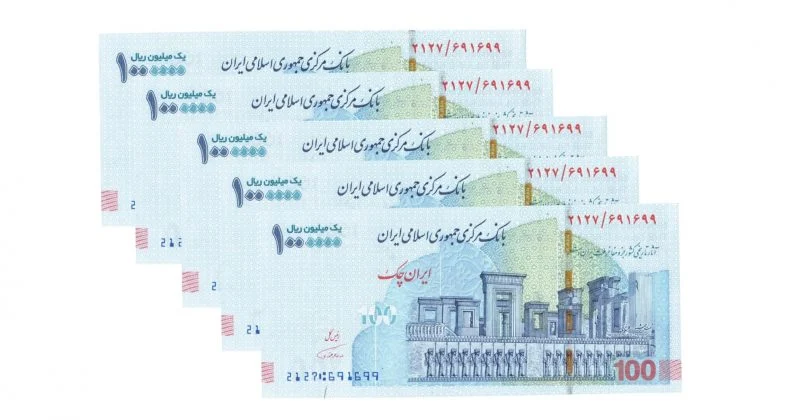
US President Donald Trump asserted on Truth Social that his administration is "destroying Iran's currency," accompanied by a chart showing a dramatic depreciation of the Iranian rial. The chart indicated the currency fell from approximately 900,000 to 1,900,000 rials per US dollar between January 2025 and July 2026.
The statement comes amid intensified US sanctions targeting Iran's economic infrastructure, part of what the administration has characterized as a broader strategy of maximum economic pressure. The rial has experienced recurring devaluation crises over the past decade, but the trajectory depicted would represent one of the steepest sustained declines in the currency's modern history. The precipitous decline of the rial underscores deepening economic strain on Iran and reflects ongoing geopolitical tensions between Washington and Tehran, with economic measures appearing to take precedence over direct military confrontation.
The collapse of the rial's value highlights the cumulative effect of sustained US efforts to constrain Iran's economic capabilities. Sanctions on Iran's oil exports, banking sector, and access to international financial systems have been central to this pressure campaign, which echoes the maximum-pressure framework pursued during Trump's first term and builds on decades of US restrictions dating back to the 1979 Islamic Revolution. Iran's heavy dependence on oil revenue has historically amplified the economic impact of such measures.
Prediction market data for a potential US-Iran deal in 2026 showed a decrease in the likelihood of including Iran Reconstruction Funding, now priced at 28.5% YES, suggesting market participants view a comprehensive agreement as increasingly unlikely.
Key diplomatic figures central to any potential negotiations include US Chief Negotiator Mike Vance and Iranian Foreign Minister Javad Zarif. Zarif previously served as Iran's top diplomat during the negotiation of the 2015 Joint Comprehensive Plan of Action, the nuclear agreement from which the US withdrew in 2018 under the first Trump administration. Developments involving these negotiators could provide insight into potential shifts in diplomatic stances.
Observers are monitoring for any further statements from President Trump that might signal additional economic sanctions or new diplomatic initiatives. Continued volatility in the Iranian rial and any official responses from Tehran are also being closely watched for their potential impact on the outlook for a comprehensive US-Iran agreement in 2026.
Source: CryptoBriefing

