Iranian Navy Claims “Full Control” Over the Strait of Hormuz
Key Takeaways
- •The Iranian Navy declared it holds "full control" of the Strait of Hormuz in a statement reported by BRICS News.
- •The statement provided no operational details on enforcement, monitored areas, or effects on commercial shipping.
- •The Strait of Hormuz is roughly 33 kilometers wide at its narrowest point, with Iran on its northern side and Oman on its southern side.
- •According to the U.S. Energy Information Administration, the strait carries a significant share of globally traded oil and liquefied natural gas, including exports from Saudi Arabia, Iraq, the UAE, Kuwait, Qatar, and Iran.
- •Shipping lanes in parts of the passage lie in Omani territorial waters, where UNCLOS guarantees transit passage through international straits.
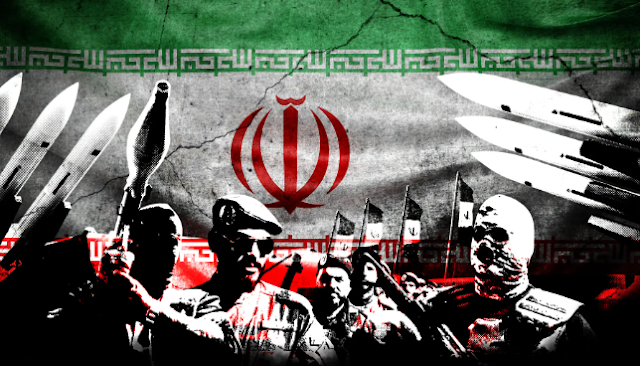
The Iranian Navy has declared that it holds “full control” over the Strait of Hormuz, according to a statement reported by BRICS News. The claim was released without additional operational details explaining what Tehran means by “full control” or how the assertion is being enforced. No further information was provided regarding maritime traffic, commercial shipping, or specific naval operations in the waterway.
Iran Highlights Control Over Strategic Waterway
The Strait of Hormuz connects the Persian Gulf with the Gulf of Oman and the Arabian Sea, making it a critical route for international energy markets and regional trade.
Iran controls the northern side of the strait, while Oman borders the southern side. The narrow waterway has long been a focus of regional security concerns because of its proximity to major oil and gas-producing states. At its narrowest point, the strait is roughly 33 kilometers (about 21 miles) wide, with shipping lanes in portions of the passage located in Omani territorial waters under the framework of the United Nations Convention on the Law of the Sea (UNCLOS), which guarantees transit passage through such international straits.
Iranian authorities have repeatedly emphasized the country's ability to monitor and operate in the waters surrounding the strait, and Iranian officials have periodically threatened to close the waterway during periods of heightened tension. The Iranian Navy's latest statement represents a direct assertion of its ability to control the strategic passage. However, the reported statement does not define the scope of that control or indicate whether it represents any change in the operational status of the waterway.
Strait of Hormuz Remains Critical to Global Energy Trade
The Strait of Hormuz is among the world's most important maritime energy corridors. Oil and gas shipments from producers in the Persian Gulf region pass through the waterway before reaching international markets. According to assessments by the U.S. Energy Information Administration, the strait carries a significant share of globally traded oil and liquefied natural gas, with flows that include exports from major producers such as Saudi Arabia, Iraq, the UAE, Kuwait, Qatar, and Iran itself.
Because of its strategic importance, developments involving the strait attract close attention from governments, energy companies, shipping operators, and financial markets. Any disruption to maritime traffic could have implications for the movement of energy supplies, although the statement reported by BRICS News does not itself indicate that commercial shipping has been disrupted.
The waterway is also subject to established international maritime practices and operates in a region where military forces from multiple countries maintain a presence, including the U.S. Navy's Fifth Fleet, which is headquartered in Bahrain. The Iranian Navy's statement therefore carries significance primarily because of the strategic importance of the location in which the claim was made.
Regional Security Remains Closely Watched
Iran's military presence in and around the Persian Gulf has been an important component of the country's regional security policy. The Iranian Navy and other Iranian military forces maintain capabilities designed to operate in the Gulf and surrounding waters.
The latest claim does not provide specific information about the number of naval vessels involved, the areas being monitored, or the measures being used to maintain what Iran describes as “full control.” Nor does it state whether Iran's assertion has affected the movement of commercial vessels through the strait.
For international observers, the distinction between a political or military assertion of control and the actual status of maritime traffic remains important. Additional statements from Iranian authorities, shipping companies, or governments could provide further information about conditions in the waterway. Tracking data on tanker movements and notices to mariners issued for the region are among the indicators typically used to verify whether conditions in the strait have changed.
For now, the reported development is limited to the Iranian Navy's assertion that it has “full control” over the Strait of Hormuz. Given the waterway's importance to international energy transportation, the claim is likely to remain a closely watched regional security development.
