Iran Warns South Korea Against Military Involvement in the Persian Gulf
Key Takeaways
- •Iran warned South Korea that any military deployment or participation in Persian Gulf operations would be treated as support for the United States and could carry serious consequences.
- •The Strait of Hormuz handles roughly a fifth of global petroleum liquids consumption, making it a critical energy chokepoint.
- •South Korea is a close U.S. ally whose navy has previously conducted anti-piracy and escort missions in the region and which depends heavily on Middle East crude imports.
- •Market pricing for a potential U.S. invasion of Iran before 2027 has risen slightly after the warning.
- •Observers are watching Seoul's response and any U.S. or allied deployment announcements as indicators of possible escalation.
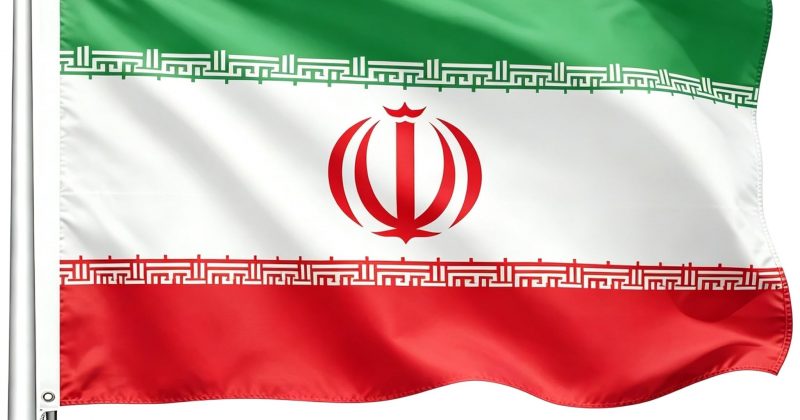
Iran issued a stern warning to South Korea on Monday, cautioning against any military deployment or participation in operations in the Persian Gulf and the Strait of Hormuz. Tehran stated that such actions would be perceived as direct support for the United States, potentially leading to "serious consequences."
The warning comes amid ongoing tensions in the region, where the United States and Iran, along with other Gulf states, have been locked in a military standoff. The Strait of Hormuz remains a strategic flashpoint, with previous exchanges of strikes between the U.S. and Iran. The waterway is one of the world's most important energy chokepoints, with roughly a fifth of global petroleum liquids consumption passing through it, which is why disruptions there historically ripple through oil and shipping markets.
Iran's message to Seoul highlights the delicate geopolitical balance in the Persian Gulf, where any additional involvement by foreign nations could be interpreted as an escalation. The move may deepen concerns about further military action, given the existing U.S.-Iran conflict over control and influence in the region. The choice of South Korea as a target of the warning is notable: as a close U.S. ally with a significant navy that has previously contributed to international anti-piracy and escort operations in the region, Seoul is exactly the kind of partner Washington might look to for coalition support. South Korea is also heavily dependent on Middle East crude imports, meaning its energy security is directly tied to the stability of Gulf shipping lanes.
The warning appears to signal Tehran's heightened sensitivity to foreign military involvement in the Persian Gulf, suggesting a possible escalation in tensions. Market pricing for a potential U.S. invasion of Iran before 2027 has seen a slight increase, indicating that participants may view the development as consistent with scenarios that could lead to conflict. The warning also underscores the broader context of U.S.-Iran relations, in which military posturing and strategic maneuvers continue to affect regional stability.
What to Watch
Observers will be closely monitoring South Korea's response to Iran's warning and any subsequent diplomatic engagement. Any movements or announcements from the United States or its allies regarding military deployments in the region could further influence market perceptions of a potential conflict. Developments in U.S.-Iran negotiations, particularly concerning the Strait of Hormuz, will also be critical in assessing the likelihood of escalation. Markets will be attentive to any signals from Iranian or U.S. leaders that could shift the current trajectory of tensions.
