Iran Vows to Block Adversaries From Reopening Strait of Hormuz
Key Takeaways
- •The head of Iran's parliamentary National Security and Foreign Policy Commission said Iran will prevent adversaries from reopening the Strait of Hormuz.
- •The strait, only 21 nautical miles wide at its narrowest point, carries roughly a fifth of the world's oil and a significant share of global LNG.
- •Iranian armed forces are reportedly conducting nightly operations to maintain control of the waterway while a fragile ceasefire and diplomatic discussions continue.
- •Market pricing reflects just a 0.8% probability of a U.S.-Iran agreement on the strait by the August 31 deadline.
- •Oman has served as a longstanding intermediary in indirect Iran-U.S. negotiations, and its talks with Iran are being watched for potential progress.
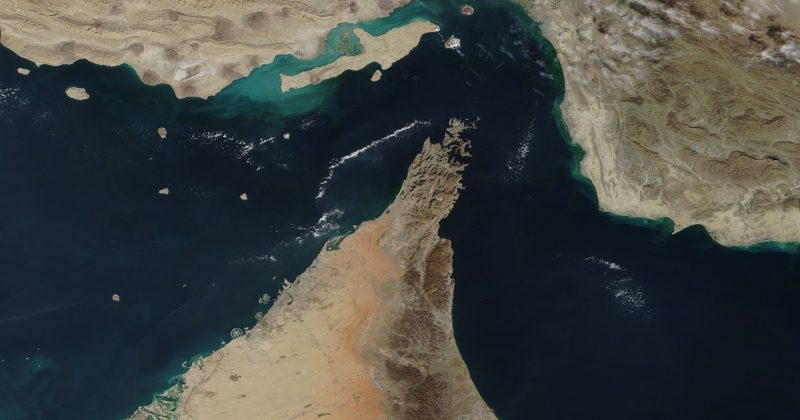
Iran has vowed to prevent its adversaries from reopening the Strait of Hormuz, a critical maritime chokepoint through which roughly a fifth of the world's oil and a significant share of liquefied natural gas pass, according to a statement from the head of the Iranian parliament's National Security and Foreign Policy Commission.
The announcement comes amid ongoing regional tensions, with Iran's armed forces reportedly conducting nightly operations to maintain control over the waterway. The Strait of Hormuz has long been a focal point of the Iran–United States confrontation, and the standoff intensified earlier this year following military actions by the U.S. and Israel. Iran has repeatedly threatened to close the strait during past crises, and its proximity to the waterway—just 21 nautical miles wide at its narrowest point—has historically made it a lever of pressure in negotiations with Washington. The situation remains volatile: a fragile ceasefire is in place and diplomatic discussions are ongoing.
The statement from Iran's parliament appears to signal increased tension, potentially affecting the likelihood of a U.S.-Iran agreement over the Strait of Hormuz. Market pricing suggests a decreased probability that an agreement will be reached by the upcoming deadlines, with the most immediate deadline on August 31 now reflecting just a 0.8% chance.
The ongoing military operations in the strait indicate a sustained defensive posture by Iran, which may hinder diplomatic progress.
Observers are watching for developments in diplomatic talks between Iran and Oman, which has served as a longstanding intermediary between Tehran and Washington in prior rounds of indirect negotiations. Successful negotiations could alter the current impasse. Statements from key actors such as U.S. President Donald Trump or Iran's Foreign Minister Abbas Araghchi may also provide insight into potential shifts in the situation. Any signs of military escalation or new agreements could significantly affect market pricing on the likelihood of a U.S.-Iran Hormuz agreement ahead of the approaching deadlines.

