Hormuz Tensions Surge After Reports of Another Tanker Strike
Key Takeaways
- •Iran reportedly struck another oil tanker off the coast of Oman with multiple anti-ship cruise missiles, though the incident has not been independently verified.
- •ADNOC disclosed that as many as 15 of its tankers have been targeted while transiting the Strait of Hormuz since the start of the Iran war.
- •Iran presented the United States with six conditions for reopening the Strait of Hormuz, including sanctions relief, release of frozen assets, and withdrawal of US military forces from the Persian Gulf.
- •Shipping traffic through both the Strait of Hormuz and the Bab el-Mandeb Strait fell sharply after Houthis claimed a ballistic missile strike on a Saudi oil tanker in the Red Sea.
- •Analysts warn that threats to commercial shipping in the Gulf and Red Sea have reached their most dangerous levels since the start of the Iran war, driving up war-risk insurance premiums.
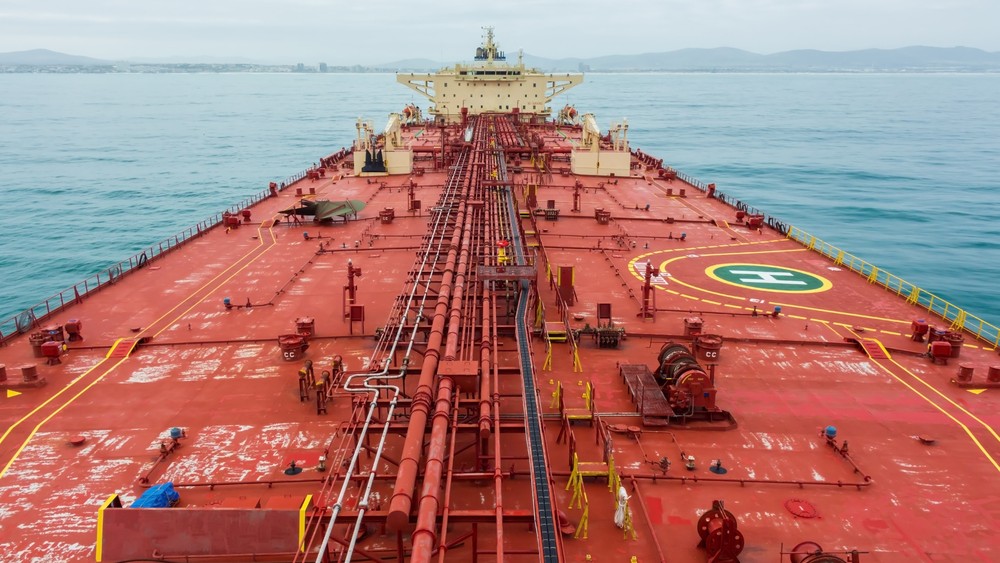
Iran has reportedly struck another tanker in the Persian Gulf, off the coast of Oman, setting the vessel ablaze, according to Gulf News, which noted the information had not yet been independently verified.
The report first surfaced on social media, where video footage showed a burning vessel. Gulf News also reported that, per the unverified accounts, the ship was struck by multiple anti-ship cruise missiles.
These latest reports follow an earlier confirmed incident on August 8, when Reuters and the Associated Press reported that Iran had hit an Emirati tanker. That attack drew condemnation from the UAE and other Gulf governments and was confirmed by ADNOC (Abu Dhabi National Oil Company) and the United Kingdom Maritime Trade Operations (UKMTO).
Last week, ADNOC disclosed that as many as 15 of its tankers had been targeted while transiting the Strait of Hormuz since the war began. The Strait of Hormuz is one of the world's most critical energy chokepoints, through which roughly 20% of global daily oil consumption typically flows, making any sustained disruption a direct concern for energy markets worldwide.
Shipping traffic through both the Strait of Hormuz and the Bab el-Mandeb Strait fell sharply last week after Houthis claimed responsibility for a ballistic missile strike on a Saudi oil tanker in the Red Sea. The Bab el-Mandeb, which connects the Red Sea to the Gulf of Aden, is a separate but equally vital corridor for trade between Asia and Europe, and its targeting alongside Hormuz has effectively raised threats on two of the three major maritime routes in the broader region. The deterioration came despite hopes that Oman and Iran were nearing a deal to jointly manage access to Hormuz.
Analysts at security and vessel-tracking firms have warned that threats to commercial shipping in the Gulf and the Red Sea have escalated to the most dangerous levels since the start of the Iran war. The repeated strikes have also driven up war-risk insurance premiums for vessels operating in the region, adding further cost pressure on shippers already contending with rerouted cargo and longer transit times.
Separately, Iran presented the United States with six conditions that must be met before it reopens the Strait of Hormuz. Those conditions include sanctions relief, the release of frozen Iranian assets, and the withdrawal of U.S. military forces from the Persian Gulf — demands widely seen as difficult for Washington to accept. The announcement contributed to a rise in oil prices.
"Crude oil prices remain caught between opposing forces, as markets assess the possibility of a breakthrough over the Strait of Hormuz against Iran's conditions for reopening the strategic waterway," oil analyst Sugandha Sachdeva told Reuters.
"Any major progress towards restoring unrestricted shipping could exert downward pressure on oil prices, while a breakdown in negotiations or renewed supply disruptions could quickly revive the geopolitical risk premium," Sachdeva added.
By Charles Kennedy for Oilprice.com

