China's Coal Expansion Strengthens Dry Bulk Shipping Outlook Amid Energy Security Push
Key Takeaways
- •China operates 1,263.1 GW of coal-fired generation capacity, representing 56.7% of the global total, with an additional 204.2 GW under construction accounting for 78.4% of worldwide coal builds.
- •China's coal-to-gas capacity is forecast to grow from 9.4 billion cubic metres annually to 28 billion cubic metres by 2030, with Xinjiang emerging as the expansion hub due to low-cost coal.
- •China commissioned 30 GW of new coal power in the first half of the year, a 43% increase year-on-year, yet combined domestic coal production and imports fell 1.4% over the same period.
- •A fatal mining accident in May that killed 82 workers led to government-mandated production pressure that benefited dry bulk shipping, as seaborne coal imports filled domestic supply shortfalls.
- •Speakers at the Geneva Dry conference highlighted coal's growing designation as a national security asset, while acknowledging tension with Beijing's commitment to peak carbon emissions before 2030 and achieve neutrality by 2060.
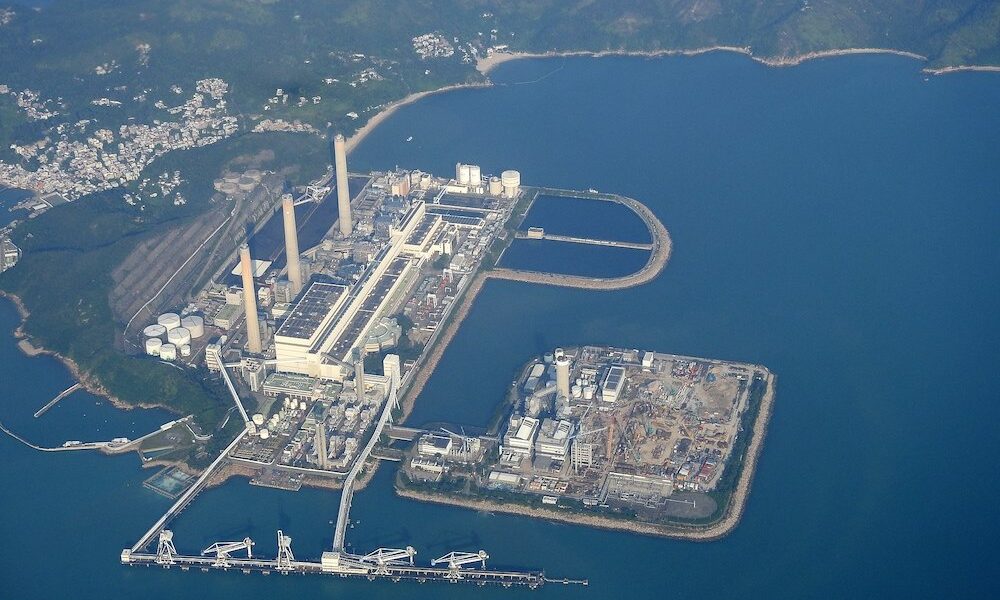
Coal has solidified its position as one of China's most critical energy buffers following the US-Iran war, underpinning a power-generation strategy that remains highly supportive for dry bulk shipping despite Beijing's massive investments in renewable energy.
When disruption around the Strait of Hormuz constricted oil availability, China was able to lean more heavily on its vast domestic coal infrastructure. More than 50 large coal-fired plants were commissioned in the preceding year, creating spare generating capacity that could be ramped up as energy security returned to the top of Beijing's policy agenda.
Beyond electricity generation, coal has also served as a substitute for petroleum in China's expanding coal-to-chemicals sector, where it can replace oil and gas as a feedstock for products such as plastics and fertilisers.
The scale of China's coal infrastructure remains extraordinary. Ursa Shipbrokers, citing Global Energy Monitor data, reported that China operates 1,263.1 GW of coal-fired generation capacity, accounting for 56.7% of the global total. A further 204.2 GW is under construction, representing 78.4% of all coal-fired capacity currently being built worldwide. China also accounts for 331.2 GW of prospective projects, close to two-thirds of the global pipeline. Together, China and India now hold 94% of all coal capacity under construction globally.
Rystad Energy has identified a parallel trend in China's coal-to-gas industry, where capacity is forecast to grow from 9.4 billion cubic metres annually at the end of this year to 28 billion cubic metres by 2030, with approximately 20 billion cubic metres already under development. Xinjiang is emerging as the hub of this expansion, buoyed by exceptionally low-cost coal, and existing plants are operating above 90% utilisation. Rystad views coal-to-gas as an increasingly strategic hedge against geopolitical supply risk, though much of this demand will be met domestically, meaning its more direct effect could be to reduce China's future LNG import requirements.
There is, however, an important counterpoint. Research from the Centre for Research on Energy and Clean Air (CREA) and Global Energy Monitor showed that China commissioned 30 GW of new coal power in the first half of the year, 43% more than a year earlier, while retiring just 2.7 GW. Yet combined domestic coal production and imports actually fell 1.4% year-on-year during the same period. CREA argued that the rebound in coal generation was not solely a consequence of Hormuz-related LNG disruption, pointing to growing overcapacity, falling utilisation rates, and rising wind and solar curtailment.
Commodore Research noted that government-mandated pressure on Chinese coal production following a fatal mining accident in May that killed 82 workers had been "incredibly helpful" for dry bulk, coinciding with strengthening summer electricity demand. Thermal coal consumption at China's six major power plants reached another 2026 high this month and remains well above last year's levels. Commodore said it remains "very bullish" on China's near-term coal import prospects.
The shipping implications are direct. While China's domestic coal moves predominantly by rail and road, imported coal — mainly from Indonesia, Australia, and Russia — travels on Capesize and Panamax bulk carriers, meaning any shortfall in domestic mine output that is filled by seaborne supply translates into tangible demand for the dry bulk fleet. China is simultaneously the world's largest coal producer and largest coal importer, which makes its domestic production disruptions especially significant for shipowners.
Coal is increasingly being treated as a national security asset rather than merely an emissions challenge, a theme that featured prominently at this year's Geneva Dry, the world's premier commodities shipping conference. The Hormuz crisis has intensified concerns over energy resilience, prompting governments to reassess the value of dispatchable coal-fired generation when gas supplies are disrupted or renewables fall short.
China was repeatedly cited as the country best prepared. Wah Kwong managing director William Fairclough said Beijing drew lessons from its own 2021 energy crunch, when "energy security became the most important thing." Despite its enormous renewables build-out, coal remains the backbone and emergency buffer of the Chinese power system.
Arrow's head of research Burak Cetinok argued that intermittency may actually reinforce coal's strategic role: "When renewable supply cannot meet demand surges, there's going to be coal to fall back on," he told delegates.
The trajectory also sits in tension with Beijing's stated commitment to peak carbon emissions before 2030 and achieve carbon neutrality by 2060, leaving open the question of whether the current coal build-out represents a permanent strategic pivot or a transitional hedge that will eventually be retired as grid-scale storage and transmission infrastructure mature.
Geneva Dry returns to the Hotel President on April 27 and 28 next year, with coal once again expected to be one of the most discussed topics.

