Iran Suspends US Negotiations and Threatens to Strike Israel After Dahiyeh Airstrikes
Key Takeaways
- •Ghalibaf declared on June 10, 2026, that Iran suspended talks with the US and branded US and Israeli assets legitimate targets, responding to Israeli strikes on Hezbollah positions in Dahiyeh on June 7–8.
- •Iran's constitution places final authority over foreign policy and the armed forces with the Supreme Leader, so the Parliament speaker's platform cannot itself order military action.
- •Roughly 20% of global energy transit passes through the Strait of Hormuz, and by mid-August 2026 transit volumes had fallen to weekly lows.
- •Oil prices rose sharply during tension spikes in March and June 2026, with risk premiums adding several dollars per barrel in each episode, and overland pipelines can bypass only a fraction of the strait's normal throughput.
- •President Trump claimed dominion over the Strait and demanded compensation from Iran, while Tehran tied restoring full transit to war reparations from the US and Israel.
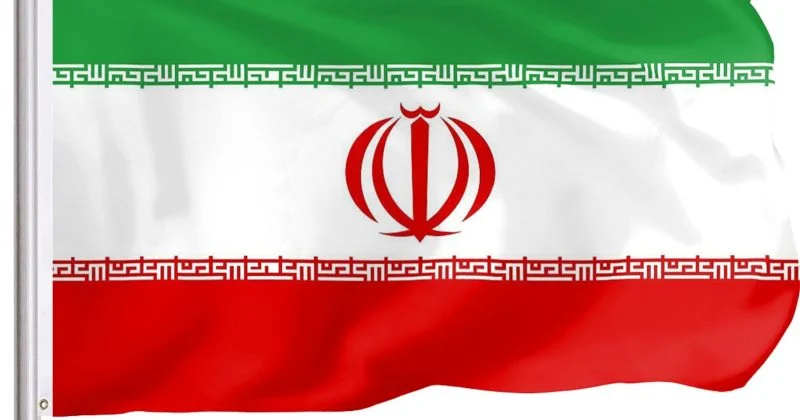
Iranian Parliament Speaker Mohammad Bagher Ghalibaf announced that Iran has suspended negotiations with the United States and threatened military action against Israel, citing Israeli airstrikes on Hezbollah positions in Beirut's Dahiyeh suburb. The declaration marks a sharp escalation in a regional crisis that has simmered for months, with consequences rippling through global energy markets and geopolitical alliances alike.
Ghalibaf's remarks, delivered on June 10, 2026, went further than previous Iranian rhetoric. He designated both US and Israeli assets as "legitimate targets" in response to what he characterized as provocative actions by both nations.
What triggered the breakdown
The immediate catalyst was a series of Israeli airstrikes on Dahiyeh, the densely built southern Beirut suburb that has long served as Hezbollah's principal stronghold, carried out on June 7–8, 2026. The strikes targeted positions of the militant group — Lebanon's most powerful armed movement, which the United States has designated a terrorist organization since 1997 — as part of Israel's ongoing operations in Lebanon, a retaliatory cycle that has intensified throughout the year.
Those operations collided with an already fragile US-brokered truce, the arrangement that ended the last major round of Israel–Hezbollah fighting in late 2024. Iran, which backs Hezbollah financially and militarily, viewed the strikes as a direct provocation. Ghalibaf's decision to formally halt negotiations effectively closed the door on whatever diplomatic runway remained.
How much of the threat translates into action is a question Iran's own power structure answers elsewhere: under the Islamic Republic's constitution, the Supreme Leader holds final authority over foreign policy and the armed forces, while Parliament shapes the political climate rather than commanding troops. Ghalibaf — a former senior Revolutionary Guard commander and longtime Tehran mayor before becoming speaker — is signaling from a platform that cannot itself order a strike.
The Strait of Hormuz standoff
Layered on top of the Dahiyeh fallout is a separate but deeply intertwined dispute over the Strait of Hormuz, the narrow waterway between Iran and the Arabian Peninsula that serves as the world's most important oil chokepoint. Roughly 20% of global energy transit passes through it. The strait is about 21 miles wide at its narrowest point, with shipping lanes only around two miles wide in each direction, and producers such as Iraq, Kuwait, and Iran itself have essentially no alternative maritime export route. Overland bypass capacity exists — chiefly Saudi Arabia's East–West pipeline to the Red Sea and the UAE's line to Fujairah, outside the strait — but combined it covers only a fraction of Hormuz's normal throughput.
US President Trump has claimed dominion over the Strait and demanded compensation from Iran for what he described as damages. Tehran, for its part, has tied any reopening of full transit through the waterway to war reparations from the US and Israel.
By mid-August 2026, transit volumes through the Strait had fallen to weekly lows. Oil prices have already reflected the strain. Sharp increases hit markets during tension spikes in both March and June 2026, with risk premiums pushing prices up several dollars per barrel during each episode. That pattern echoes earlier Hormuz flare-ups — from the 1980s "Tanker War" of the Iran–Iraq War to the 2019 tanker seizures and sabotage incidents — when flows often continued but insurance and freight costs climbed first.
What the market is watching
For energy markets, the combination of stalled diplomacy and Strait of Hormuz disruptions creates a risk profile that is difficult to hedge against cleanly. The 20% of global oil supply transiting Hormuz represents a concentration of risk that has no easy substitute. The practical gauges are concrete: war-risk insurance premiums for Gulf voyages, tanker-tracking data, and Iranian naval exercises — categories that have historically reacted to elevated risk even before physical supply is disrupted.
Perhaps most critically, the standoff over Hormuz has become entangled with the broader US-Iran negotiation. Trump's demand for compensation and Iran's insistence on reparations have turned the waterway into a bargaining chip rather than just a transit route.

