Iran's Leverage Over Strait of Hormuz Is Fading, Raising Conflict Risk: WSJ
Key Takeaways
- •The Wall Street Journal reports that Iran's capacity to leverage the Strait of Hormuz has declined, a shift that could raise the risk of military conflict.
- •Oil flows through the strait and along alternative routes have recovered to 80% of pre-conflict levels, indicating a reduced impact from Iranian maritime disruptions.
- •The strait, which links the Persian Gulf to the Gulf of Oman and is among the world's most important oil chokepoints, has long served as a key geopolitical tool for Tehran, and its diminished influence may weaken the country's political leverage while adding to geopolitical tension.
- •Market pricing is consistent with an elevated perceived risk that President Masoud Pezeshkian, who has led Iran since 2024, could depart, with the odds of his leaving by December 31 having edged higher.
- •Markets are watching statements from Pezeshkian, Supreme Leader Ayatollah Ali Khamenei, and the IRGC, along with potential moves by international actors, for signals that could shape assessments of Iran's leadership stability.
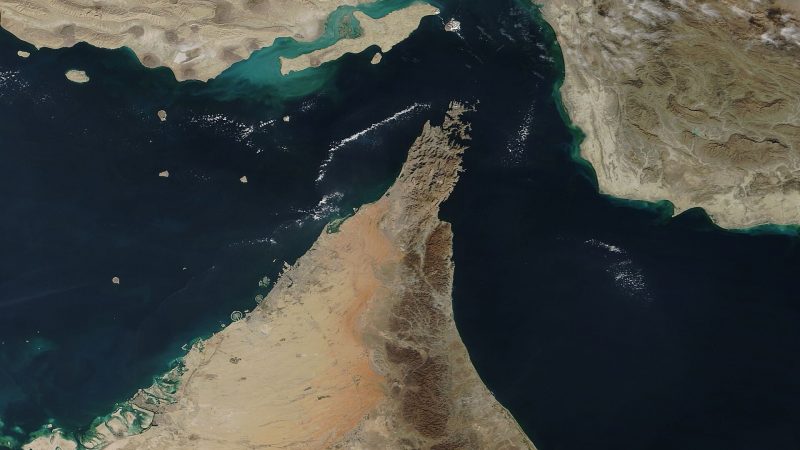
The Wall Street Journal reports that Tehran's ability to leverage the Strait of Hormuz has diminished, a shift that could raise the risk of military conflict.
The decline reduces Iran's capacity to disrupt oil flows through the vital maritime passage, which links the Persian Gulf to the Gulf of Oman and ranks among the world's most important chokepoints for seaborne oil trade. The strait has long served as a significant geopolitical tool for Tehran, and its security has been a persistent focus for energy-importing governments and shipping operators. According to the report, the flow of oil through the strait and along alternative routes has recovered to 80% of pre-conflict levels.
That rebound points to a reduced impact from Iran's maritime disruptions, potentially weakening Tehran's political leverage. The report suggests the diminished ability to influence oil passage through the waterway may contribute to increased geopolitical tension, given how central the remains to global energy supply.
Market pricing appears consistent with an elevated perceived risk that President Masoud Pezeshkian could depart amid the heightened instability. Pezeshkian has led Iran since 2024, within a political system in which ultimate authority rests with Supreme Leader Ayatollah Ali Khamenei and powerful institutions such as the IRGC. The odds of Pezeshkian being out by December 31 have edged higher, reflecting growing market attention to the evolving situation.
What to Watch
Markets are expected to monitor official statements from Iran's leadership closely, particularly from President Masoud Pezeshkian, Ayatollah Ali Khamenei, and the Islamic Revolutionary Guard Corps (IRGC), the elite military force that answers directly to Khamenei, for signals on their stance regarding the current geopolitical tensions.
Developments such as public criticism by Pezeshkian of IRGC actions, or statements from hardline media outlets aligned with Iran's conservative establishment, could further shape market assessments of the likelihood of his departure. Additionally, any moves by international actors that increase pressure on Iran's leadership may also affect market dynamics.

