Iran's IRGC Says Strait of Hormuz Will Stay Closed Until U.S. Meets Iranian Conditions
Key Takeaways
- •Iran's IRGC spokesperson Hossein Mohebi stated the Strait of Hormuz will remain closed until the United States complies with Iranian conditions.
- •The strait transits roughly one-fifth of global daily oil supply and significant LNG exports, serving as the primary crude export route for Saudi Arabia, the UAE, Kuwait, Iraq, and Qatar.
- •The IRGC separated the Hormuz closure issue from Iran's ongoing Oman-mediated diplomatic talks aimed at easing regional tensions.
- •Market pricing indicates a declining probability of a U.S.-Iran agreement by the August 15 deadline, reflecting heightened geopolitical risk.
- •Iran has periodically threatened to close the strait over the past two decades but has never executed a full closure, while transit passage remains protected under international law.
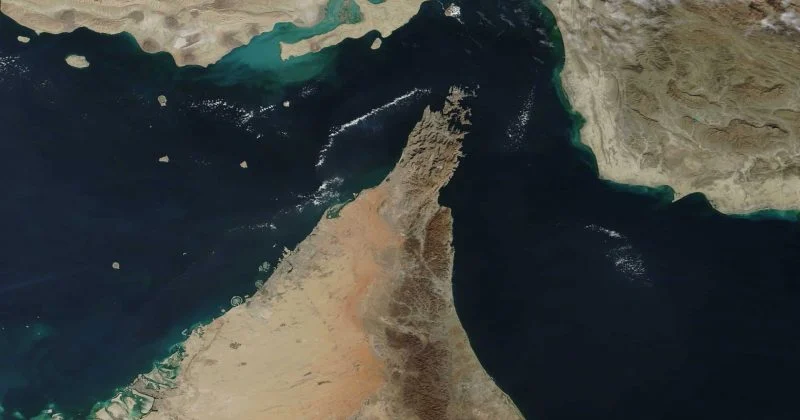
Iran has declared that the Strait of Hormuz will remain closed unless the United States agrees to its conditions, according to a statement by Islamic Revolutionary Guard Corps (IRGC) spokesperson Hossein Mohebi.
The announcement comes amid persistent tensions between Washington and Tehran over access to the strategic waterway, which connects the Persian Gulf to the Gulf of Oman and serves as one of the world's most critical chokepoints for global energy shipments. Roughly one-fifth of the world's daily oil supply transits the narrow channel, along with a significant share of global liquefied natural gas exports, primarily from Qatar. The waterway is also the primary export route for crude from Saudi Arabia, the United Arab Emirates, Kuwait, and Iraq.
Mohebi's statement explicitly separated the Hormuz issue from Iran's ongoing diplomatic talks with Oman. Those discussions, mediated through Omani channels, have been part of broader efforts to ease regional tensions.
By linking the reopening of the Strait directly to U.S. compliance with Iranian terms, the IRGC's declaration signals a potentially hardening stance from Tehran. The move could complicate prospects for a near-term diplomatic resolution. Iran has periodically issued threats to close the Strait over the past two decades, including during earlier periods of U.S.-Iranian friction, though a full closure has not been carried out. Under the United Nations Convention on the Law of the Sea, transit passage through international straits is generally protected, and the U.S. Navy's Fifth Fleet, headquartered in Bahrain, has historically operated in the region to help maintain freedom of navigation.
Market pricing reflects a diminished probability of a U.S.-Iran agreement by the August 15 deadline, a signal of mounting geopolitical risk. The Strait's role as a vital conduit for crude oil exports has long made it a flashpoint for energy markets, with any disruption carrying significant implications for global supply chains.
Observers are closely watching for any shifts in diplomatic communications between the two nations. Public statements from key figures, including U.S. President Donald Trump and Iranian Foreign Minister Abbas Araghchi, remain under scrutiny. Developments in the Oman-mediated discussions could further shape market perceptions in the days ahead.
Any official change in transit conditions or new announcements regarding the Strait are expected to influence expectations leading up to the August 15 deadline.
