Iran Shifts Strategy Toward US After Washington Withdraws From Memorandum
Key Takeaways
- •Iran's Supreme National Security Council, the country's top security decision-making body, has altered its strategy toward the United States after Washington withdrew from a Memorandum of Understanding.
- •Tehran has conducted an anti-ship missile test and threatened to strike U.S. interests if attacked.
- •U.S.-Iran tensions have remained unstable since the collapse of a ceasefire and the memorandum earlier this year, with diplomacy at a standstill.
- •Market pricing indicates a decreased probability that reconstruction funding will be included in any prospective U.S.-Iran deal.
- •Diplomatic engagements involving Qatar and Pakistan may signal potential de-escalation, while observers monitor statements from U.S. President Donald Trump and Iranian Foreign Minister Javad Zarif.
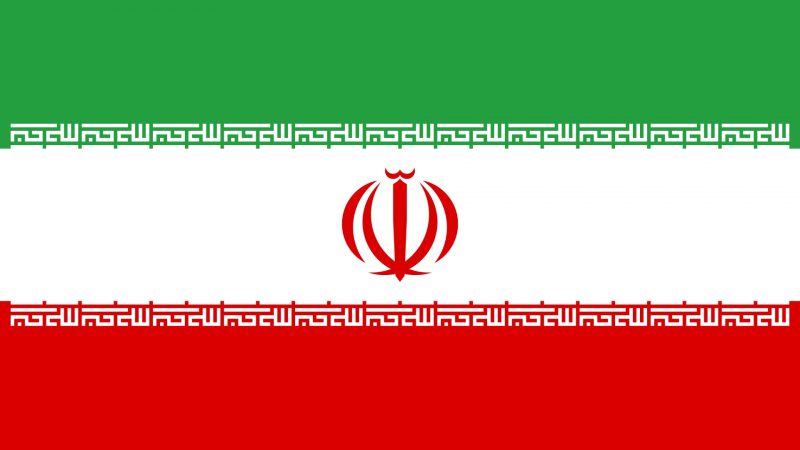
Iran's Supreme National Security Council — the country's top security decision-making body — has announced a change in its strategy toward the United States, following Washington's withdrawal from a Memorandum of Understanding. The announcement comes amid renewed hostilities, with Tehran conducting an anti-ship missile test and threatening to strike U.S. interests if attacked.
The development marks another escalation in the ongoing U.S.-Iran conflict, which has seen fluctuating tensions since the collapse of a ceasefire and the memorandum earlier this year. The situation in the region remains volatile, characterized by continued military confrontations and a diplomatic stalemate.
Background
Relations between Washington and Tehran have been deeply strained since the 1979 Iranian Revolution and the severing of formal diplomatic ties. In the decades since, indirect talks between the two governments have frequently been facilitated by regional intermediaries, with Qatar in particular having served as a channel for communication in past negotiations. With neither side maintaining an embassy in the other's capital, such intermediaries remain among the few available channels of communication between the two governments.
Key Developments
- Iran's decision to alter its strategy toward Washington appears to signal a further deterioration in relations, reducing the likelihood of a diplomatic resolution.
The anti-ship missile test and threats against U.S. interests are consistent with a scenario in which military tensions continue to escalate, affecting regional stability. - Market pricing suggests a decreased probability that reconstruction funding will be included in any potential U.S.-Iran deal, reflecting concerns over the state of diplomatic progress.
What to Watch
The evolving U.S.-Iran dynamic could carry significant implications for regional and global markets. Diplomatic engagements involving Qatar and Pakistan may indicate potential de-escalation, while any new military actions in the region could further shape perceptions and probabilities tied to a prospective U.S.-Iran deal.
Observers will also be watching for official statements from key figures, including U.S. President Donald Trump and Iranian Foreign Minister Javad Zarif, which may offer insight into future diplomatic or military moves.

