Experts Say Trump’s Iran Policy Shift Hits Ordinary Iranians First
Key Takeaways
- •NIAC said the new measures suspend exemptions that had allowed personal remittances, academic exchanges, and sports exchanges between Americans and Iranians.
- •The group argued that the changes are aimed at ordinary Iranians and at disrupting personal, familial, academic, and cultural ties.
- •US Treasury Secretary Scott Bessent said the administration is targeting Iran’s financial connections worldwide and giving countries deadlines to end identified activities.
- •NIAC officials said the policy shifts amount to collective punishment and weaken efforts to make sanctions more targeted.
- •Iran’s foreign ministry said the US campaign violates international law and the UN Charter by pressuring countries to follow Washington’s demands.
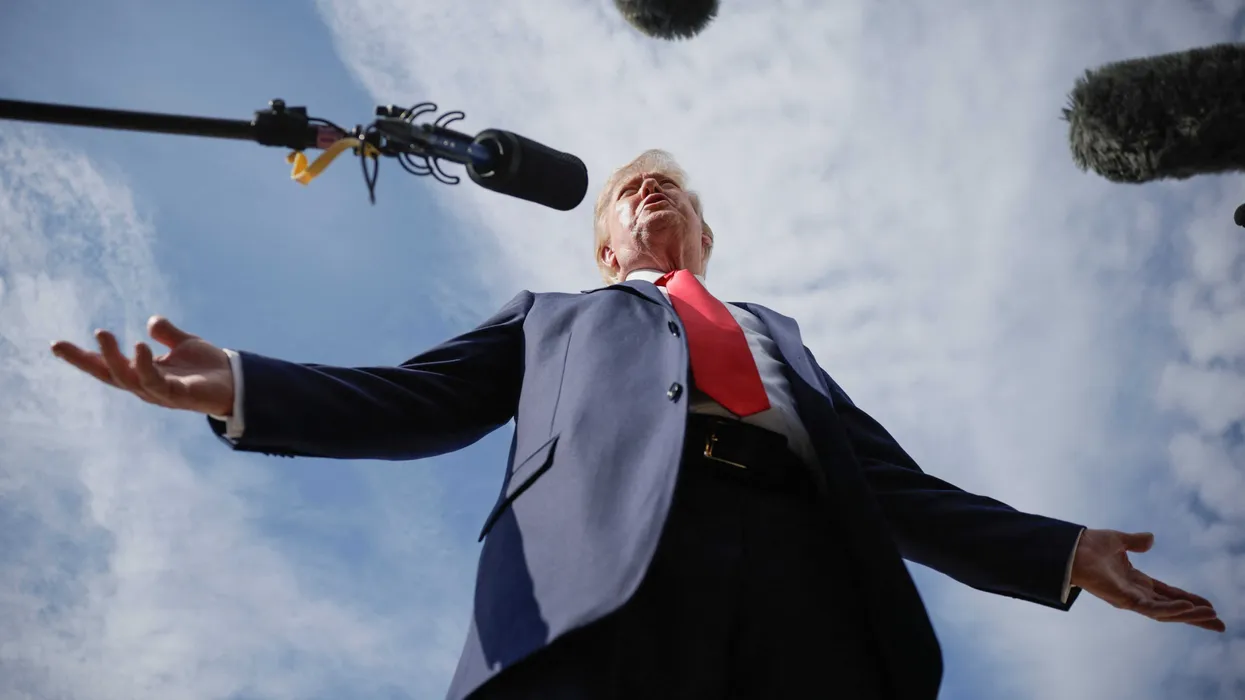
The Trump administration has repeatedly said it is targeting the Iranian government and helping the Iranian people by waging an all-out campaign against the Middle Eastern country. But an analysis of policy changes announced this week suggests that ordinary Iranians will bear the brunt of the White House’s new economic assault.
The National Iranian American Council (NIAC) said the first actions taken under the administration’s so-called Operation Economic Outcast “are aimed squarely at ordinary Iranians and at severing personal, familial, academic, and cultural relationships between Americans and Iranians.” The group said the administration has “suspended key humanitarian exemptions from existing sanctions on Iran designed to allow Iranian Americans to send personal remittances to family in Iran, to allow universities to enroll or offer scholarships to Iranian students, and to allow for sports exchanges involving American and Iranian athletes.” For many families, students, and institutions, those exemptions have been among the few remaining legal channels for contact across a long-running sanctions regime, making the changes a direct hit to civil society ties rather than just state finances.
NIAC cited several specific provisions:
31 CFR § 560.544: Allowing universities to recruit, enroll, and educate students who are ordinarily resident in Iran, and offer them scholarships;
31 CFR § 560.550: Allowing Americans to send personal, non-commercial remittances to non-sanctioned persons in Iran.
31 CFR § 560.554 and Iran General License G: Allowing academic and educational exchanges between the US and Iran.
Iran General License F: Allowing for friendly matches and other sports exchanges involving the US and Iran.
“We have had decades of sanctions underscore that collective punishment is strategically and morally wrong,” NIAC president Jamal Abdi said in a statement. “Iranian civilians have grown poorer while the government elite has been unscathed.”
Earlier this week, US Treasury Secretary Scott Bessent said the Trump administration is “launching an economic onslaught against Iran’s financial connections around the globe,” with the stated goal of severing “every economic lifeline that sustains this tyrannical regime until Tehran stands alone.” Bessent said the administration has given “every country” a “defined timeline to shut down activities we have identified.” The approach fits a broader sanctions strategy that relies on extraterritorial pressure and secondary restrictions, which can affect banks, universities, aid-related transactions, and other intermediaries far beyond Iran itself.
NIAC said Tuesday that “rather than devote US resources to strengthening sanctions exemptions for ordinary people and making the sanctions ‘smarter’ by targeting them against decisionmakers and bad actors, the administration is making our sanctions dumber and even more blunt.”
“This is a radical revision to the Iran sanctions architecture: ending the ability of Iranian Americans to send their family any remittances, blocking universities from enrolling Iranian students, ending sports exchanges,” said Ryan Costello, NIAC’s policy director. “It is senseless, punitive collective punishment.”
The intensified economic warfare follows months of what the article described as an illegal, widely unpopular, deadly, and economically destructive war that Trump and his Israeli counterpart, Prime Minister Benjamin Netanyahu, launched in late February.
Esmaeil Baghaei, the spokesperson for Iran’s Foreign Ministry, said Tuesday that the new US economic assault is “about annihilating the most foundational rules of international law and the UN Charter—namely, respect for the sovereign equality and self-determination of all states.”
“When a bully declares that every bank, company, port, and government must choose between obeying Washington’s whims or facing American vengeance, this is no longer just about Iran,” Baghaei wrote in a social media post. “No decent state that values its sovereignty and national interests will accept the normalization of such grand lawlessness and systemic bullying.”

