Iran Reviewing Proposals to Curb Nuclear Program, Report Says
Key Takeaways
- •Iran is reportedly reviewing proposals under which it would curb its nuclear program in return for substantial US sanctions relief.
- •The reported shift suggests Iran is softening its prior stance of refusing to discuss the nuclear issue until seven conditions were satisfied.
- •The proposals do not demand full dismantlement but would address Iran's highly enriched uranium stockpile, the central issue of the 2015 nuclear deal.
- •WTI crude fell 18 cents to $90.33 on the day and has declined sharply this week on hopes for a peace deal following an unpopular war.
- •Israel is separately reported to be encouraging the US to restart the war, potentially through short, intense strikes, risking renewed Iranian retaliation after more than 13,000 US bombs have been dropped on Iran.
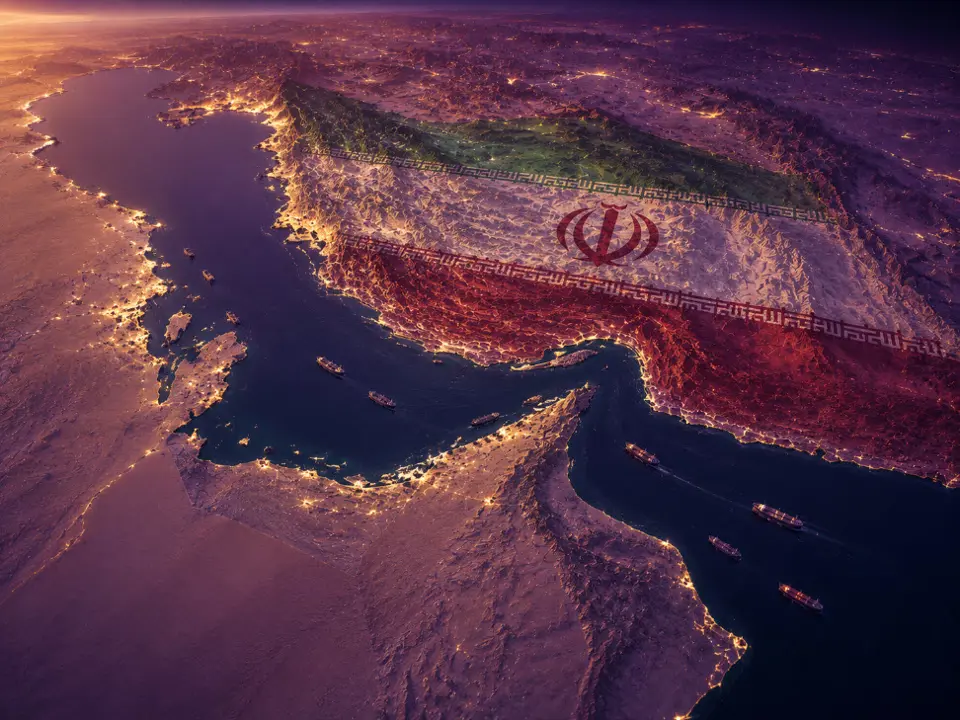
Iran Reviewing Proposals to Curb Nuclear Program, Report Says
Iranian negotiators are reviewing proposals under which Tehran would curb its nuclear program, according to a report by the Times of Israel.
Iran had previously refused to place the nuclear issue on the negotiating table until seven conditions it had set were met. If the reporting is accurate, that stance now appears to be thawing. The report cites a US official and a diplomat familiar with the talks.
"The proposals stop short of complete dismantlement, but do address Iran's stockpile of highly enriched uranium," the diplomat familiar with the talks said, adding that the offers would see Iran receive significant sanctions relief from the United States. The stockpile sits at the heart of the issue: highly enriched uranium can be further refined toward weapons-grade levels, and its disposal was likewise the centerpiece of the 2015 nuclear accord, under which Iran accepted enrichment limits in exchange for sanctions relief. With US sanctions having targeted Iran's oil exports and banking sector for years, meaningful relief has been a longstanding Iranian demand.
On markets, WTI crude is down 18 cents on the day at $90.33, but the contract has fallen dramatically this week on hopes for a peace deal, after the Iran war proved wildly unpopular at the ballot box. WTI, the benchmark for US crude, has historically treated Middle East headlines as a supply-risk signal, given the region's weight in global oil production and shipping lanes.
Meanwhile, a separate report indicates that Israel is encouraging the US to restart the war, potentially through a short, intense series of strikes. If that were to happen, the risk is that Iran retaliates and the situation returns to square one. The US has dropped more than 13,000 bombs on Iran in the campaign so far. In the days ahead, attention is likely to center on whether Tehran formally confirms the review, whether the proposals progress toward direct talks, and whether the reported Israeli lobbying shapes Washington's approach.

