Iran Rebuilds Nuclear and Missile Sites After 2025 US and Israeli Strikes
Key Takeaways
- •Satellite images from June 22 and July 7, 2026 show concrete reinforcement, excavation, and blast crater repairs at Iran's Taleghan 2 facility within the Parchin military complex and near Pickaxe Mountain.
- •Missile facility repair work near Kangavar, Kermanshah, and Dezful advanced rapidly, with some activities completed within weeks of the original airstrikes, surprising Western intelligence officials.
- •Nuclear enrichment facilities have shown more limited and varied progress five months after the strikes, while construction at underground tunnel complexes designed to withstand aerial bombardment has continued at a notable pace.
- •Iranian President Masoud Pezeshkian publicly stated that Iran will rebuild damaged nuclear sites with greater strength following the 2025 strikes.
- •Renewed sanctions escalation could lead to stricter compliance requirements for cryptocurrency exchanges, additional OFAC designations, and expanded monitoring of wallets linked to Iranian state actors.
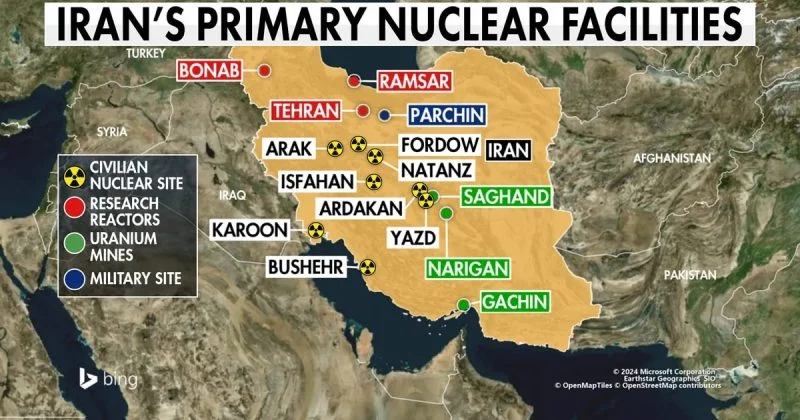
Satellite imagery from late June and early July 2026 indicates that Iran is actively repairing nuclear and missile facilities damaged in US and Israeli strikes in 2025. The pace of reconstruction has exceeded the expectations of Western analysts, and Iranian officials have not sought to conceal the work.
Satellite imagery shows repairs at key sites
An analysis by CNN in collaboration with the Institute for Science and International Security (ISIS) found substantial repair activity at several Iranian facilities. Satellite images dated June 22 and July 7, 2026, showed concrete reinforcement work, excavation, and efforts to cover blast craters at the Taleghan 2 facility within the Parchin military complex, as well as near an area known as Pickaxe Mountain.
Parchin has long been scrutinized by the International Atomic Energy Agency (IAEA) and outside analysts because of its historical association with Iran's conventional weapons development and past allegations of nuclear-related activity testing. The IAEA's monitoring access to such sites has been a recurring flashpoint between Iran and international inspectors, particularly since Iran began rolling back cooperation with the agency in the years following the US withdrawal from the Joint Comprehensive Plan of Action (JCPOA) in 2018.
Repair work at missile facilities near Kangavar, Kermanshah, and Dezful has advanced more quickly. According to ISIS reporting, some activities at those locations were finished within weeks of the original airstrikes. That timeline surprised Western intelligence officials, with ISIS noting that the recovery at certain sites moved faster than early assessments had anticipated.
Five months after the strikes, conditions at nuclear enrichment facilities remain more varied, with more limited progress reported at those specific locations. However, construction has continued at a notable pace at tunnel complexes, including underground infrastructure designed to withstand aerial bombardment. Iran has invested heavily in deeply buried enrichment and storage infrastructure over the past decade, partly in response to repeated Israeli and American threats against its aboveground nuclear sites.
Iran signals intent to rebuild
Iranian President Masoud Pezeshkian has said publicly that Iran will rebuild damaged nuclear sites “with greater strength” after the 2025 strikes. Opposition figures inside Iran have described the statement as a sign that the government may be preparing for the possibility of future military confrontation, although diplomatic channels with the US remain technically open.
Potential implications for crypto compliance
Sanctions regimes have historically pushed targeted countries toward alternative financial infrastructure, and Iran has previously shown increased interest in crypto during earlier sanctions periods. In 2018, the Financial Action Task Force (FATF) placed Iran on its blacklist, and the US reimposed comprehensive sanctions following the JCPOA withdrawal, conditions that encouraged experimentation with cryptocurrency for cross-border value transfer. That use of crypto as a sanctions evasion tool drew regulatory scrutiny toward exchanges and protocols that enabled related flows.
A renewed escalation could bring similar pressure. Stricter sanctions enforcement has typically been associated with tougher compliance obligations for exchanges, additional OFAC designations, and greater know-your-customer requirements across parts of the crypto ecosystem. Regulators and blockchain analytics firms have also expanded their focus on identifying wallets and entities linked to Iranian state actors, making compliance monitoring a continuing priority for platforms operating in jurisdictions that enforce US and EU sanctions.

