Iran Rejects Latest U.S. Pressure Campaign, Signals Readiness for Conflict Under Trump
Key Takeaways
- •Iran has formally rejected the renewed U.S. maximum pressure campaign under President Trump, according to former Iranian officials.
- •Both nations have exchanged direct threats, with the U.S. warning of strikes on Iranian infrastructure and Iran vowing to target American military installations.
- •Prediction market odds for a blockade resolution by August 15, 2026, dropped from 40% to 34.5% YES amid escalating rhetoric.
- •Market sentiment for Iran Reconstruction Funding being included in a 2026 deal rose modestly to 33.5% YES, reflecting lingering hopes for a diplomatic outcome.
- •Roughly one-fifth of the world's daily oil supply passes through the Strait of Hormuz, a chokepoint Iran has previously threatened to close during escalations.
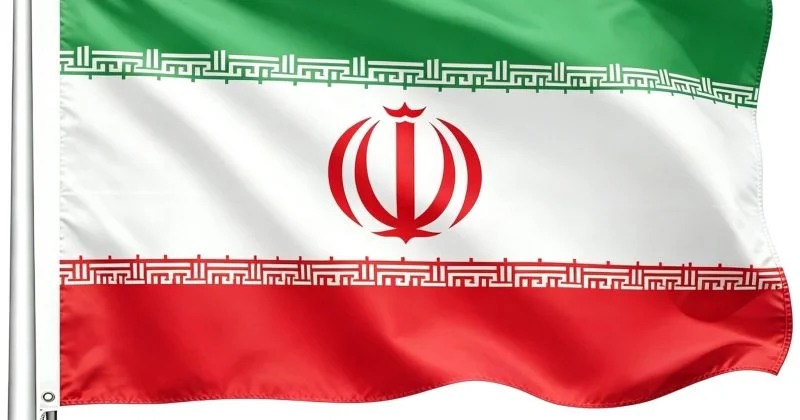
Iran has rejected the most recent pressure campaign mounted by the United States under President Donald Trump, according to former Iranian officials. The approach echoes the "maximum pressure" doctrine Trump pursued during his first term, when he withdrew the U.S. from the 2015 Joint Comprehensive Plan of Action (JCPOA) nuclear deal in 2018 and reimposed sweeping economic sanctions on Tehran. The rebuff comes against a backdrop of intensifying friction between Washington and Tehran over Iran's nuclear program — which has advanced well beyond the JCPOA's enrichment limits since the U.S. withdrawal — and the two nations' competing influence across the Middle East.
Tehran has signaled its willingness to retaliate against any U.S. military action, a posture that effectively escalates the deterrence environment in the region. Any sustained confrontation carries implications beyond bilateral relations, as roughly one-fifth of the world's daily oil supply transits the Strait of Hormuz, the narrow chokepoint Iran has periodically threatened to close during prior escalations. The standoff follows an exchange of direct warnings from both capitals: the U.S. has threatened strikes against Iranian infrastructure, while Iran has vowed to target American military installations in response.
The deteriorating geopolitical climate has spilled into prediction markets — platforms where users wager on the outcomes of real-world events — tied to the U.S. blockade of Iran. The contract tracking whether the U.S. will announce an end to the Iranian blockade by August 31, 2026, currently sits at 55% YES. However, market participants have increasingly interpreted Iran's defiant position as reducing the probability of near-term de-escalation.
A sub-market focused on an earlier deadline of August 15, 2026, has experienced a more pronounced shift, falling from 40% to 34.5% YES — a movement that directly mirrors the latest escalatory rhetoric from both sides.
At the same time, prediction markets assessing whether Iran Reconstruction Funding will be included in a potential U.S.–Iran deal in 2026 have ticked slightly higher, with YES odds now priced at 33.5%. This modest uptick indicates that a degree of optimism for an eventual diplomatic resolution persists, even as military posturing dominates the headlines. The divergent signals recall earlier cycles of U.S.–Iran escalation, including the January 2020 U.S. strike that killed Islamic Revolutionary Guard Corps commander Qasem Soleimani, which brought the two countries to the brink of open conflict before both sides ultimately stepped back.
The combination of hardened Iranian rhetoric and American threats of military action has created a complex picture for observers. While the downward pressure on blockade-resolution markets suggests diminishing confidence in a short-term breakthrough, the slight rise in reconstruction-funding odds points to lingering expectations that diplomatic channels could still produce an agreement.

