Iran Rejects U.S. Cease-Fire Proposal Conveyed by Iraqi Prime Minister
Key Takeaways
- •Iran turned down a U.S. cease-fire proposal conveyed by Iraqi Prime Minister Ali al-Zaidi during diplomatic discussions in Washington.
- •Iraq is serving as an intermediary in the talks because it maintains relationships with both Washington and Tehran.
- •Unresolved disputes include nuclear constraints, sanctions, regional security arrangements, and tensions involving the Strait of Hormuz.
- •Prediction market pricing for Iran Reconstruction Funding in a potential 2026 deal is around 28.5% YES, reflecting softer trader sentiment.
- •Observers are watching for further U.S.–Iran engagement and possible mediation by Iraq or other regional actors.
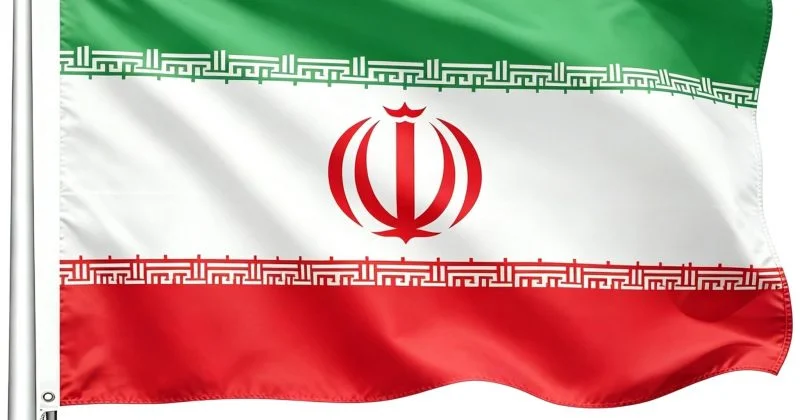
Iran has rejected a cease-fire proposal from the United States that was relayed by Iraqi Prime Minister Ali al-Zaidi during diplomatic discussions in Washington, according to a report by the New York Times.
The refusal marks a setback in ongoing negotiations aimed at de-escalating tensions between the U.S. and Iran, with Iraq serving as an intermediary. Baghdad has periodically played a channeling role in regional diplomacy because of its relationships with both Washington and Tehran, making its involvement a practical route for indirect messaging when direct talks are limited.
Talks remain fragile, with key sticking points including nuclear constraints and geopolitical tensions centered on the Strait of Hormuz still unresolved. The waterway is a major route for global oil and gas shipments, which is why diplomatic and security developments tied to it are closely monitored beyond the immediate U.S.–Iran relationship.
Iran's dismissal of the proposal highlights the persistent difficulty in reaching a comprehensive agreement between the two nations, particularly when cease-fire discussions overlap with broader disputes over sanctions, nuclear oversight, and regional security arrangements.
Prediction market data indicates that sentiment surrounding a potential 2026 U.S.–Iran deal has softened. Pricing for the inclusion of Iran Reconstruction Funding in a prospective agreement currently sits at approximately 28.5% YES, reflecting diminished confidence in an immediate diplomatic breakthrough. Such market pricing represents trader sentiment on a specific contract rather than an official diplomatic assessment.
Observers are closely watching for further diplomatic engagements between Washington and Tehran, as well as any additional mediation efforts by Iraq or other regional actors. Statements from prominent figures, including U.S. President Donald Trump and Iranian Foreign Minister Javad Zarif, may offer further signals regarding the trajectory of negotiations.
Source: CryptoBriefing

