Iran Rejects Oman’s Strait of Hormuz Shipping Proposal, Citing Temporary Route Under Tehran’s Authority
Key Takeaways
- •Iran rejected Oman’s proposal for equal shipping management in the Strait of Hormuz.
- •Tehran proposed a temporary route under its authority that would cover inbound traffic and part of outbound traffic.
- •Prediction markets suggest a low chance that the U.S. will impose fees on the strait by the end of July.
- •Market pricing indicates skepticism that maritime traffic through the strait will return to normal by August 31.
- •The dispute carries broader implications for regional stability, oil shipments, and international shipping operations.
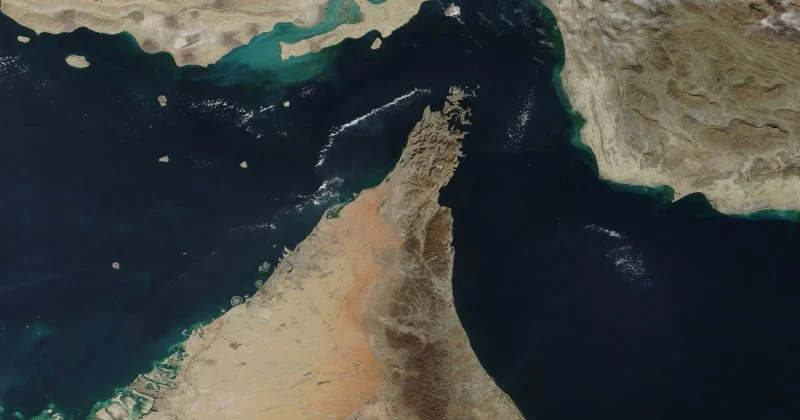
Iran has turned down Oman’s proposal for an equal division of shipping management in the Strait of Hormuz, and instead suggested a temporary route under Tehran’s authority, according to Deputy Foreign Minister Kazem Gharibabadi. Under the proposal, Iran would control inbound traffic and part of the outbound lane.
The decision comes amid ongoing tensions and negotiations over maritime control in the strategic waterway, which is crucial for global oil shipments. Because the strait is a narrow passage linking the Persian Gulf and the Arabian Sea, any change in traffic arrangements draws close attention from governments, shippers, and market participants that track the flow of energy exports through the region.
Market reaction to Iran’s rejection has been notable, particularly in prediction markets that track the likelihood of the U.S. imposing fees in the Strait of Hormuz. Those markets indicate that expectations for U.S. fees being implemented have declined, with odds for such a scenario remaining low. The pricing suggests participants currently view Iran’s assertive control as a factor that could prevent U.S.-imposed fees.
In addition, the chances of traffic through the strait returning to normal by late August also appear uncertain, with current pricing reflecting skepticism about a near-term resolution.
The geopolitical implications of Iran’s stance are significant, as maritime access continues to serve as a strategic point of leverage in diplomatic engagements, particularly with Oman and other regional players. Iran’s move could affect broader regional stability and the global oil market, with consequences for shipping operations and international relations. Any further talks, policy statements, or shipping changes will be closely watched because the strait remains one of the world’s most sensitive maritime chokepoints.
Key Takeaways
Iran’s rejection of Oman’s proposal appears to reinforce Tehran’s assertive stance in controlling shipping lanes in the Strait of Hormuz.
Market pricing suggests a low probability that the U.S. will impose fees on the Strait of Hormuz by the end of July.
Expectations for a return to normal maritime traffic in the strait by August 31 remain low, reflecting ongoing regional tensions.
What to Watch
Observers should monitor diplomatic developments between Iran and Oman, as well as any U.S. response to Iran’s proposal. Changes in traffic through the strait could significantly affect related markets. Speeches or announcements from Iranian and U.S. officials may provide further clues about potential shifts in policy or strategy. Updates on shipping conditions or military movements in the region could also influence market expectations and geopolitical dynamics.
Get live prediction-market analysis, powered by Vera. Sign up for Vera.

