Iran to Restrict Persian Gulf Access for 'Hostile' Vessels Amid US Tensions
Key Takeaways
- •Iran plans to restrict Persian Gulf navigation for ships linked to hostile parties as part of a broader effort to strengthen its control over the strategically vital Strait of Hormuz.
- •Approximately one-fifth of global oil consumption transits through the Strait of Hormuz daily, making any disruption potentially significant for worldwide energy markets.
- •Iran's announcement coincides with stalled nuclear negotiations with the United States and follows a history of maritime confrontations including tanker seizures and incidents involving the IRGC Navy.
- •Prediction-market odds for the United States announcing an end to the Iranian blockade by August 31 have decreased following the latest escalation.
- •Energy-import-dependent Asian economies such as China, Japan, South Korea, and India are among the most vulnerable to any sustained disruption of shipping through the strait.
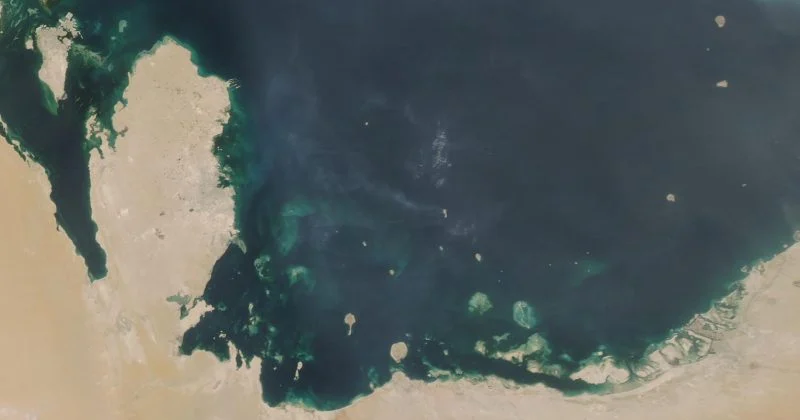
Iran has announced plans to restrict access to the Persian Gulf for vessels identified as belonging to "hostile parties," marking a significant escalation in the ongoing geopolitical tensions in the region. The proposed measures could lead to increased scrutiny and enforcement actions against ships linked to adversarial nations.
The move forms part of Iran's broader strategy to exert greater control over the Strait of Hormuz, a narrow waterway between Iran and Oman that serves as one of the world's most critical chokepoints for global oil transportation. Roughly one-fifth of global oil consumption passes through the strait on a daily basis, making it a strategically vital shipping route. The strait is governed by the United Nations Convention on the Law of the Sea (UNCLOS), which guarantees transit passage rights for international shipping, and Iran's latest declaration adds to a history of threats to close or restrict the waterway that dates back to the Iran-Iraq War in the 1980s.
Iran's decision comes amid stalled nuclear negotiations with the United States, further complicating an already fraught diplomatic relationship. The two nations have been at odds over Iran's nuclear program for years, with multiple rounds of sanctions and diplomatic efforts failing to produce a lasting agreement. Past cycles of escalation — including tanker seizures and maritime incidents involving Iran's Islamic Revolutionary Guard Corps Navy — have drawn responses from the U.S. Fifth Fleet, headquartered in Bahrain, which routinely conducts freedom-of-navigation operations in the Gulf.
The announcement appears consistent with heightened geopolitical tensions and suggests a diminished likelihood of the United States announcing an end to what has been described as an Iranian blockade in the near term. Market odds for the U.S. announcing the end of the blockade by August 31 have decreased, reflecting the elevated risk profile in the region following Iran's latest maneuvers. Energy-import-dependent economies in Asia, including China, Japan, South Korea, and India, are among the most exposed to any sustained disruption through the strait.
The development supports an assessment that Iran is seeking to solidify its leverage in ongoing political and security disputes through maritime restrictions, using its geographic position along the strait as a strategic asset.
Observers are closely monitoring potential responses from the United States and its allies, which could include diplomatic initiatives or military maneuvers. Key developments to watch include any official statements from U.S. President Donald Trump or actions by U.S. Central Command in response to Iran's increased maritime control.
Additionally, significant shifts in prediction-market odds regarding the blockade's resolution could signal changing perceptions of geopolitical stability. The situation remains fluid, and further escalation or de-escalation will likely influence market expectations surrounding the blockade's eventual resolution.
