Iran and Oman Agree on Vessel Route Coordinates Through the Strait of Hormuz
Key Takeaways
- •Iran and Oman have agreed on the coordinates for vessel navigation routes through the Strait of Hormuz, through which roughly one-fifth of global daily oil consumption passes.
- •Oman facilitated the arrangement in its longstanding mediator role, though the deal addresses commercial shipping management rather than a comprehensive political settlement.
- •The Strait of Hormuz has faced repeated disruptions in recent years, including tanker seizures and mine incidents, elevating insurance premiums and prompting naval coalitions to protect commercial traffic.
- •Market pricing currently indicates a decreased probability that the United States will impose fees or tolls related to the Strait of Hormuz.
- •Observers are awaiting a formal joint statement detailing specifics, with the arrangement's durability potentially vulnerable to third-party objections or regional security changes.
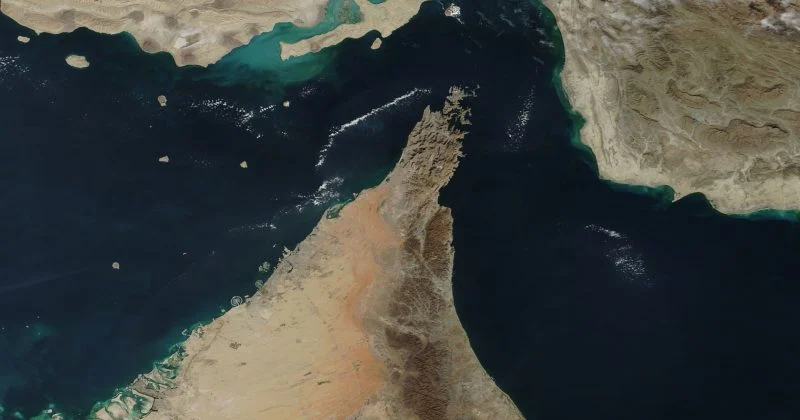
Iran and Oman have reached an agreement on the coordinates for vessel navigation routes through the Strait of Hormuz, according to a report from Al Jazeera English. The accord emerges amid persistent regional tensions, with Oman continuing its role as a mediator to facilitate maritime navigation arrangements between relevant parties.
The agreement marks a notable step toward technical and security de-escalation in one of the world's most strategically vital waterways, although broader political disputes in the region remain unresolved. The Strait of Hormuz, located between Oman and Iran, connects the Persian Gulf to the Gulf of Oman and the Arabian Sea. Approximately one-fifth of global oil consumption passes through this narrow channel daily, making it a critical chokepoint for international energy supplies. The waterway has experienced repeated disruptions in recent years, including tanker seizures and mine incidents, which have periodically driven shipping insurance premiums higher and prompted several countries to maintain naval coalitions in the area to protect commercial traffic.
Oman has historically played a mediating role between Iran and Western nations, and its diplomatic efforts in facilitating this navigation arrangement are consistent with that established position. The coordination on shipping routes reflects an effort to manage commercial maritime lanes rather than a comprehensive political settlement. The agreement also comes at a time when commercial shipping across the broader region has been under pressure, with attacks on vessels in the Red Sea and Gulf of Aden complicating global trade routes and pushing some traffic toward longer, more costly alternatives.
Market pricing indicates a decreased likelihood of the United States imposing fees or tolls related to the Strait of Hormuz, with attention remaining focused on Iran's actions in the waterway. The U.S. has previously expressed concerns about freedom of navigation through the strait, and any policy statements from American officials — including President Trump or Secretary of State Marco Rubio — regarding fees or tolls could influence market expectations.
Observers are now watching for a formal joint statement from Iran and Oman that would detail the specifics of the shipping route agreement. Potential objections from third parties or shifts in the regional security landscape could affect the durability of the arrangement, which remains in a delicate stage.

