Iran Demands U.S. Concessions for Strait of Hormuz Shipping Lane Deal
Key Takeaways
- •Iran and Oman are close to finalizing an agreement on new shipping lanes through the Strait of Hormuz, a chokepoint carrying roughly one-fifth of global daily oil consumption.
- •Iran's security chief has conditioned any progress on significant U.S. concessions, including lifting naval blockades, withdrawing military forces, and unfreezing Iranian assets.
- •Oman is mediating the discussions as part of de-escalation efforts, building on its historical role as an interlocutor between Tehran and Western governments, including its facilitation of the 2015 JCPOA talks.
- •Prediction markets assign only a 0.4% probability to a nuclear deal by August 13, 2026, and 7.5% by September 30, 2026, reflecting deep skepticism about diplomatic progress.
- •Iran's demands go well beyond the original JCPOA framework, which centered on nuclear enrichment limits in exchange for sanctions relief, creating a substantial barrier to any final agreement.
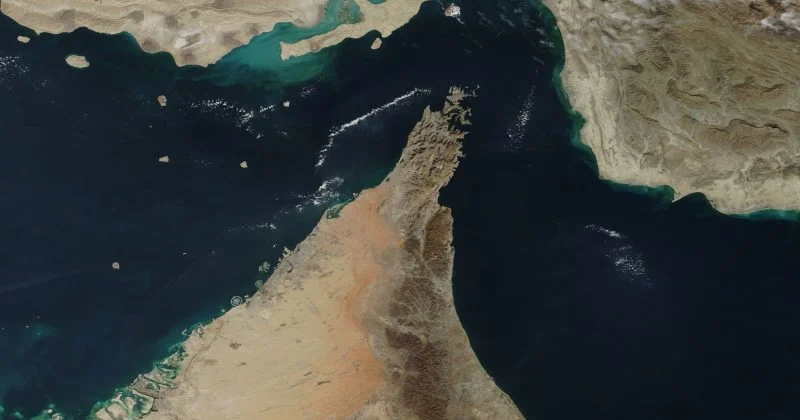
Iran and Oman are reportedly close to finalizing an agreement on new shipping lanes through the Strait of Hormuz, a critical chokepoint through which roughly one-fifth of global oil consumption transits daily. However, Iran's security chief has stressed that any progress depends on the United States making significant concessions, including lifting the naval blockade, withdrawing forces, and unfreezing Iranian assets.
The potential shipping-lane deal is part of ongoing mediation efforts by Oman aimed at de-escalating regional tensions. Oman has historically served as a key interlocutor between Tehran and Western capitals, having previously facilitated back-channel talks that contributed to the 2015 Joint Comprehensive Plan of Action (JCPOA). Iran appears to be leveraging the shipping-lane agreement in broader negotiations with the U.S., underscoring the complex geopolitical environment surrounding the discussions and the legacy of the U.S. withdrawal from the nuclear accord in 2018.
Despite Oman's diplomatic efforts, prediction markets have reacted with skepticism toward the prospect of a final U.S.–Iran nuclear agreement. Current pricing reflects a significant decrease in the likelihood of a deal being reached by upcoming deadlines. The probability of an agreement by August 13, 2026, stands at just 0.4%, while the odds for a deal by September 30, 2026, have slightly decreased to 7.5%.
The demands from Iran's security chief suggest a challenging path ahead for any diplomatic resolution. Iran's conditions — including the unfreezing of assets and the lifting of naval pressure — go well beyond the scope of the original JCPOA framework, which focused primarily on nuclear enrichment limits in exchange for sanctions relief. Market participants view Iran's insistence on U.S. concessions as a substantial barrier to reaching a final nuclear deal, and the broader geopolitical context continues to weigh on these probabilities as negotiations remain fraught with complexity.
Going forward, markets are expected to closely monitor any public statements from Iran or the U.S. regarding concessions or negotiating progress. Significant shifts in diplomatic tone or actions by key actors, including the U.S. President or Iranian Supreme Leader, could influence market expectations. The evolving situation in the Strait of Hormuz, particularly any official announcements regarding traffic normalization, will also be a critical factor for energy markets given the waterway's role as a primary export route for Persian Gulf producers including Saudi Arabia, the UAE, Kuwait, Iraq, and Qatar.

