Iran Reports Two Oil Tankers Turned Back From Strait of Hormuz After Fire
Key Takeaways
- •Two oil tankers abandoned their transit through the Strait of Hormuz's southern lane after a major fire broke out on one of the vessels.
- •The IRGC declared that the Strait of Hormuz cannot reopen while U.S. threats and interference in maritime movements persist.
- •U.S. Central Command carried out strikes against IRGC targets inside Iran in retaliation for Iran's attempted missile attacks on U.S. forces.
- •The Strait of Hormuz handles roughly 20 million barrels of oil per day, accounting for about one-fifth of global daily consumption.
- •Brent crude oil prices rose 1.5% to trade above $92 per barrel as the conflict disrupted one of the world's most critical energy shipping routes.
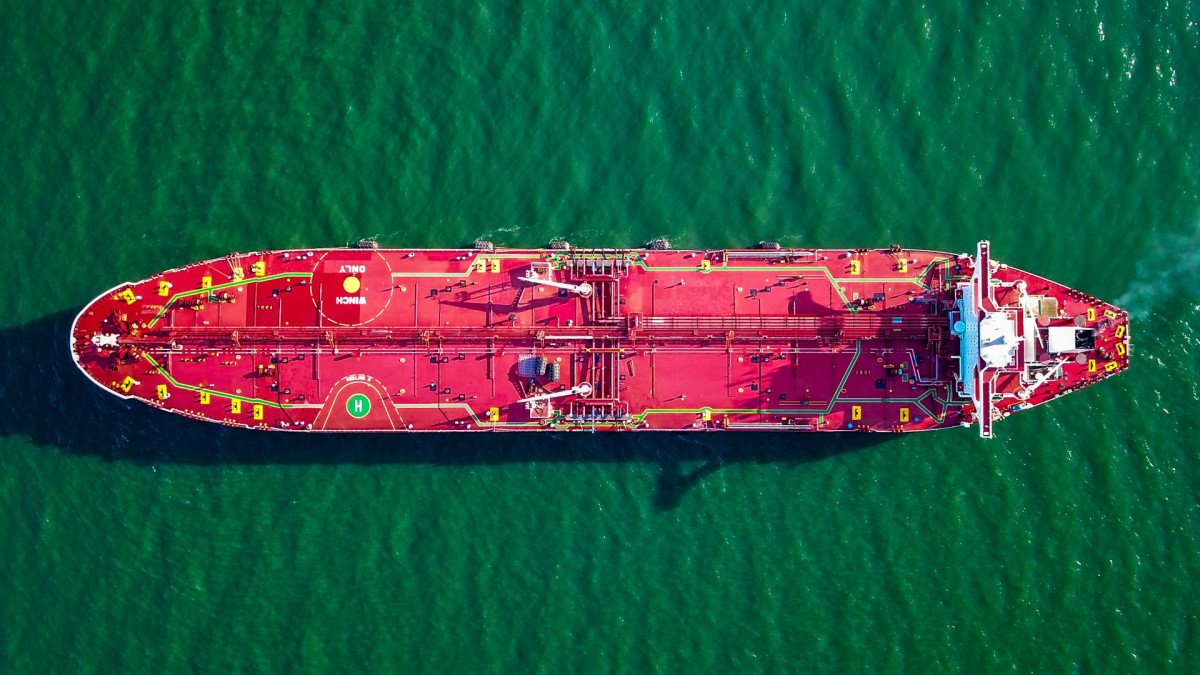
Iran's Islamic Revolutionary Guard Corps (IRGC) announced on Thursday that two oil tankers attempting to transit the Strait of Hormuz via its southern lane—close to Oman's coast and believed to be under U.S. protection—were forced to turn back after a major fire broke out on one of the vessels.
"Last night, two oil tankers, encouraged by American aircraft, attempted to leave through the unsafe southern route of the Strait of Hormuz," the Revolutionary Guards said in a statement carried by AFP.
"After a major fire broke out on one of them, both vessels quickly turned back," the Iranian forces were quoted as saying.
Iran has repeatedly labeled the southern lane, which hugs Oman's coastline, as "unsafe." Since the collapse of the ceasefire, Iran has struck multiple vessels transiting this route near Omani waters.
As a consequence, most ships—including tankers—attempting to navigate the Strait of Hormuz have operated in so-called "dark mode," switching off their transponders to avoid detection. Tanker operators have all but ceased attempts to transit the Strait since hostilities resumed and Iran resumed attacking and harassing vessels in the waterway.
The disruption carries high stakes for global energy markets. The Strait of Hormuz is the world's most critical oil shipping chokepoint, handling roughly 20% of global daily oil consumption—equivalent to approximately 20 million barrels per day—according to data from the U.S. Energy Information Administration. A prolonged closure or sustained attacks on shipping would affect supplies moving from Persian Gulf producers to major importers across Asia and Europe.
U.S. Central Command (CENTCOM) stated that it had successfully completed a heavy wave of strikes against IRGC targets inside Iran late on Wednesday, in response to Iran's attempted missile attacks on U.S. forces on Tuesday.
On Thursday, the IRGC issued a further warning: "The Strait of Hormuz cannot be reopened as long as the bluster and threats of US officials and their interference in maritime movements in the region continue." The statement, reported by Anadolu Agency, also asserted: "The Strait of Hormuz is our territory, and the IRGC Navy firmly controls it."
The IRGC's declaration came as the broader Middle East conflict threatens to escalate further and spread to additional countries, following coordinated U.S. and Saudi strikes on Iran-backed militias in Iraq.
Against this backdrop of continued regional turmoil, Brent crude oil prices climbed above $90 per barrel early on Thursday. The international benchmark rose 1.5% to trade above $92 per barrel as of early morning in Europe.
Source: OilPrice.com

