China's Coal Prices Surge as Scorching Heat Waves Drive Up Power Demand
Key Takeaways
- •Benchmark spot coal prices at China's Qinhuangdao port have recovered from an earlier monthly slump and are expected to climb further as extreme heat drives electricity demand.
- •Four coal mines in Yulin, Shaanxi province were ordered to suspend operations on the same day, intensifying market concerns over thermal coal supply.
- •Heat waves across central, eastern, and northeastern China are reducing hydropower and wind power output, increasing reliance on coal-fired generation to meet electricity needs.
- •China's deadliest mining disaster in 16 years occurred in May, prompting stricter safety inspections and mine suspensions in Shanxi that have disrupted domestic coal production.
- •Chinese authorities are not restricting coal power growth under the new five-year energy plan, maintaining coal as a bottom-line guarantee for electricity security even as renewable capacity expands.
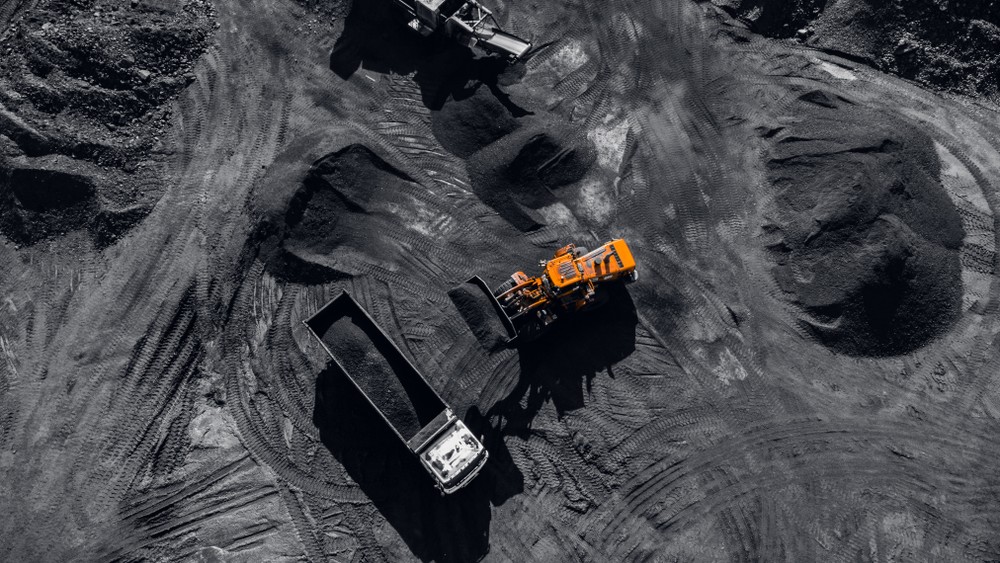
Coal demand and prices in China — the world's largest coal producer and consumer, accounting for over half of global consumption — have risen sharply in recent days as relentless heat waves sweep across most of the country, driving a surge in electricity consumption.
Benchmark spot coal prices at the port of Qinhuangdao, China's key coal pricing reference point, have recovered from an earlier slump this month and are set to climb further in the coming weeks as extreme heat persists, according to the China Coal Transportation and Distribution Association (CCTDA).
"Thermal coal prices are more likely to rise than fall, as the peak season for coal-fired power consumption is far from over, the impacts of El Niño have yet to fully materialize, and the cumulative effects of tightening supply and growing demand will continue to build," Li Xuegang, a senior analyst at the CCTDA, said on a webcast carried by Bloomberg.
China's spot thermal coal prices are also receiving support from new mine shutdowns in key coal-producing provinces. Analysts at Mysteel noted that supply concerns intensified after four coal mines in Yulin — the largest coal-producing hub in Northwest China's Shaanxi province — were ordered to suspend operations on the same day.
"Market sentiment jumped amid renewed supply concerns after four coal mines in Yulin, the largest producing hub in Northwest China's Shaanxi province, were ordered to suspend operations the same day," Mysteel analysts wrote. "This could provide a fresh catalyst for a market that has already begun to show signs of strengthening."
Most of central and eastern China are currently gripped by high summer temperatures. Northeastern China, including the major cities of Beijing and Shenyang, is forecast to experience unusually high temperatures through the weekend.
The heat waves are also reducing hydropower output and wind power generation, meaning China will need to partially compensate through increased coal consumption. This dynamic underscores the persistent challenge for the world's second-largest economy: even as China installs record volumes of solar and wind capacity each year, coal-fired power remains the dispatchable backbone of the grid when weather-dependent renewables falter.
China's coal inventories remain sufficiently high, but domestic production has faced setbacks following China's deadliest mining disaster in 16 years in May (CNBC), which prompted authorities to intensify safety inspections and order operational suspensions at multiple mines in the Shanxi region.
Chinese authorities are not restricting coal power growth under the new five-year energy plan. Beijing continues to treat coal as a "bottom-line guarantee" for the electricity system as the share of renewable power in the energy mix continues to rise, a posture that suggests thermal coal demand will remain structurally supported even as the country pursues its longer-term emissions targets.
By Tsvetana Paraskova for OilPrice.com

