U.S. Intelligence: Iran's New Supreme Leader More Determined to Pursue Nuclear Weapon Despite American Strikes
Key Takeaways
- •U.S. intelligence assessments suggest the military campaign against Iran may have strengthened Tehran’s motivation to develop a nuclear weapon.
- •Ayatollah Mojtaba Khamenei became Iran’s supreme leader after Ali Khamenei was killed during U.S. military offensives.
- •U.S. officials believe Iran has not fully restarted its nuclear weapons program.
- •Israeli intelligence reportedly says Iran is moving centrifuges to a secret underground facility known to U.S. officials as Pickaxe Mountain.
- •Trump has publicly raised the possibility of striking the Pickaxe Mountain facility.
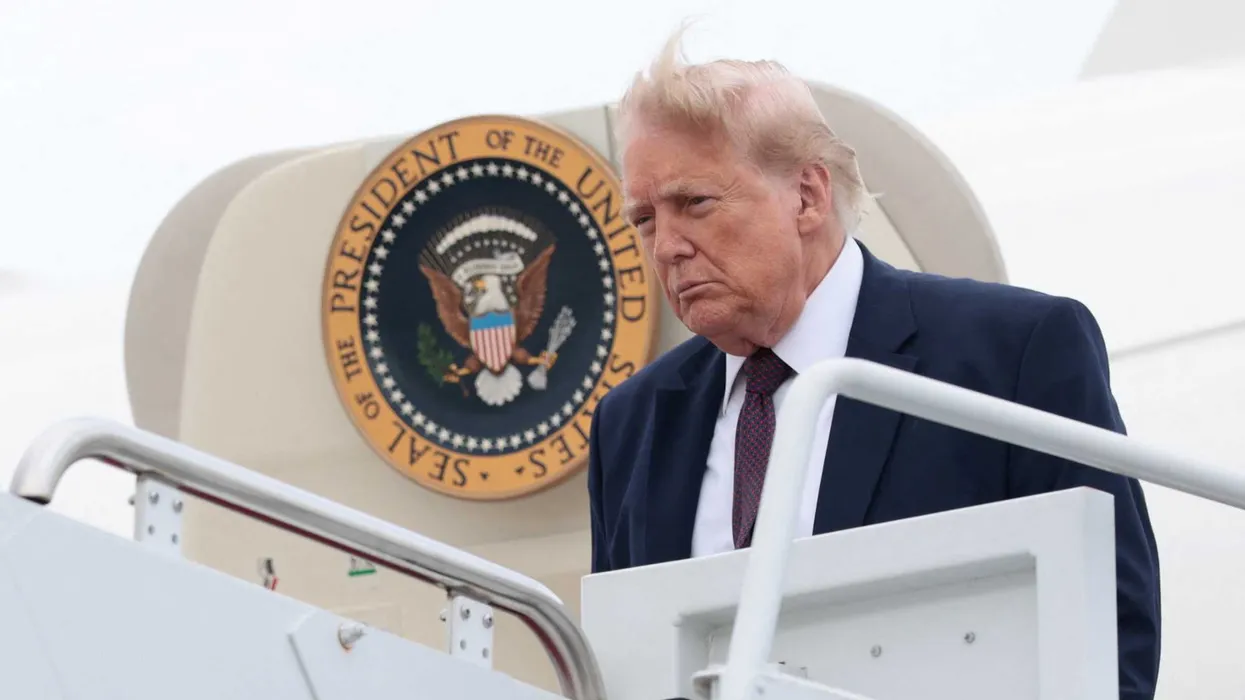
President Donald Trump has repeatedly stated that the primary justification for the war against Iran is to prevent Tehran from acquiring a nuclear weapon. However, according to The New York Times, U.S. intelligence assessments suggest that the military campaign may have had the opposite effect, potentially increasing Iran's motivation to develop one.
New evaluations from U.S. intelligence agencies have concluded "that Iran's new supreme leader, Ayatollah Mojtaba Khamenei, is far more interested than his father and predecessor in pursuing a nuclear weapon," the Times reported. Mojtaba Khamenei assumed leadership of Iran after his father, Ali Khamenei — who had served as supreme leader since 1989 — was killed during the U.S. military offensives against Iran.
"American officials caution that most of the intelligence on Mojtaba Khamenei's views comes from before the war," the report noted. The new supreme leader has made few public appearances since being injured during the conflict, reportedly due to concerns for his personal security and public image.
Iran's nuclear program has a long and contentious history. For years, the country maintained that its nuclear activities were purely peaceful, aimed at energy production and medical research. The 2015 Joint Comprehensive Plan of Action (JCPOA), negotiated between Iran and several world powers including the United States, had placed strict limits on Iran's nuclear enrichment capabilities in exchange for sanctions relief. The agreement was designed to extend Iran's "breakout time" — the period required to produce enough fissile material for a single weapon — to roughly one year, from an estimated few months. Trump withdrew the United States from that agreement during his first term in 2018.
After the U.S. withdrawal, Iran progressively scaled back its compliance with the deal's enrichment limits and reduced cooperation with International Atomic Energy Agency (IAEA) inspection protocols, weakening the monitoring regime that had provided transparency into Iranian facilities.
U.S. officials currently believe that the Iranian regime has not fully restarted its nuclear weapons program. However, Israeli intelligence has reportedly identified that Tehran is relocating centrifuges to a secret underground facility that American officials refer to as "Pickaxe Mountain." This site is believed to be more secure against conventional airstrikes than the facilities previously damaged by U.S. forces at Fordo, Natanz, and Isfahan — all of which are long-known sites associated with Iran's nuclear infrastructure. The move to a deeper, harder-to-reach facility echoes a pattern seen throughout Iran's nuclear history, where the program has previously been targeted by sabotage operations, including the Stuxnet cyberattack and the assassination of several Iranian nuclear scientists, which drove earlier efforts to harden and bury enrichment infrastructure.
Trump has publicly discussed the possibility of a military strike against the Pickaxe Mountain facility in response to these developments.
Following the initial round of U.S. airstrikes on Iran's nuclear sites, Trump declared that Iran's nuclear capabilities had been "obliterated." The revelation that Iran may be reconstituting its nuclear infrastructure at a new, more heavily fortified location underscores the challenges facing the administration's stated objective of permanently dismantling Tehran's ability to build a nuclear weapon.

