Iran Says Oman Strait of Hormuz Deal in Final Stages, But Reopening Hinges on U.S. Actions
Key Takeaways
- •Iran and Oman are finalizing an agreement to establish new shipping lanes through the Strait of Hormuz, though Iran states the waterway will only reopen once the United States meets additional conditions including compensation, an end to threats, and the lifting of sanctions and blockades.
- •The Strait of Hormuz previously carried approximately one-fifth of global oil and liquefied natural gas shipments before Iran closed it in retaliation for US and Israeli military attacks, forcing Gulf exporters onto longer and costlier routes.
- •A US official said Washington would lift its blockade on Iranian ports once a deal to restore commercial shipping is announced, with American actions tied to Iran's implementation of its commitments.
- •Houthi forces allied with Iran reported a drone strike on Saudi Aramco's Jazan refinery shortly after Saudi Arabia, Turkey, and Pakistan signed the Mecca Joint Defence Agreement in response to growing regional instability.
- •Iran and the United States are not in direct negotiations, but continue exchanging messages through intermediaries while the precise status of the Strait of Hormuz agreement remains unclear.
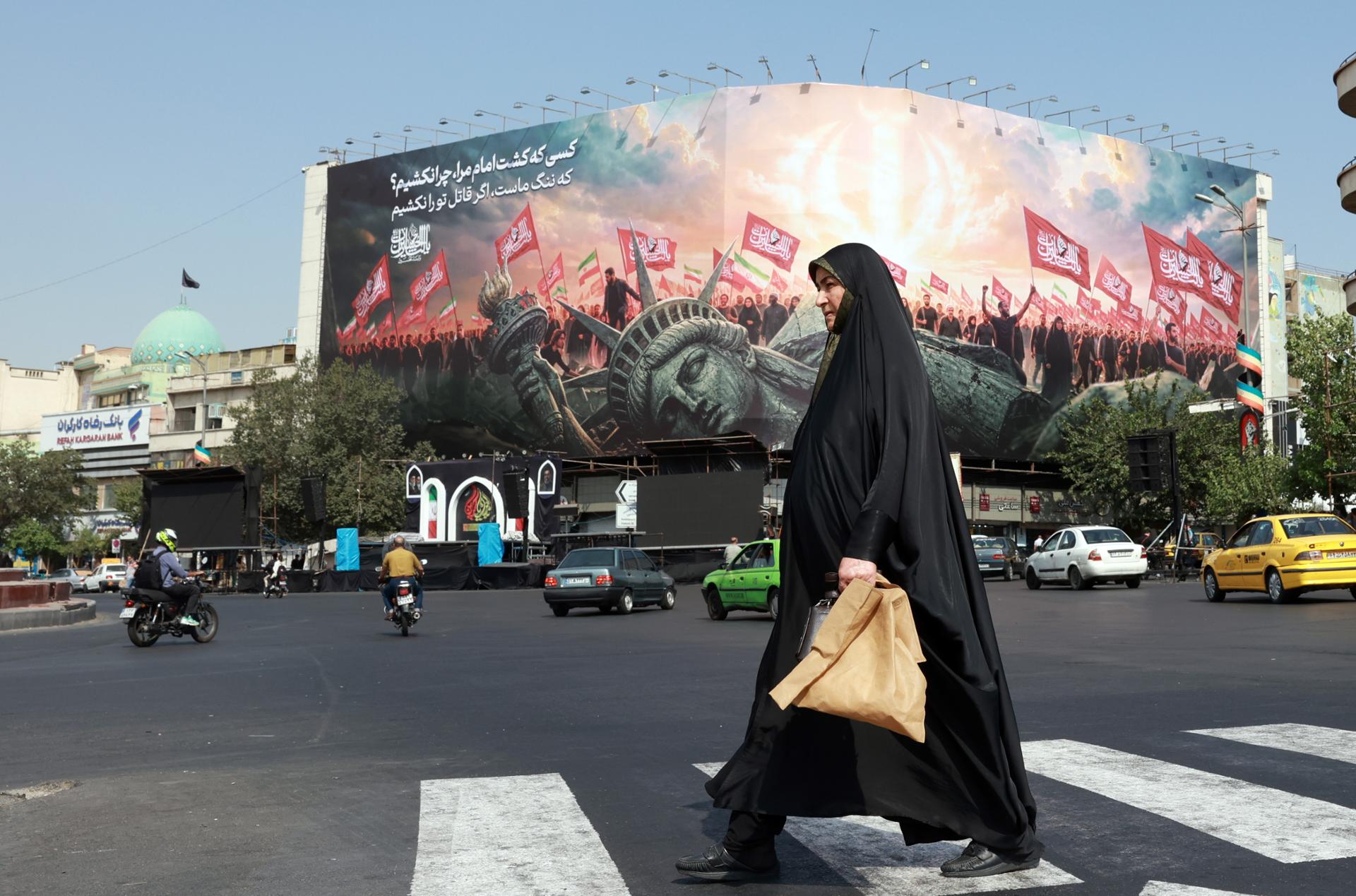
Iran stated on Sunday that an agreement with Oman defining new shipping lanes through the Strait of Hormuz was in its final stages, while reiterating that the strategic waterway would only reopen once the United States satisfies a series of additional conditions.
A U.S. official told Reuters on Friday that an accord between Iran and Oman was imminent and could soon reopen the strait, which previously carried roughly one-fifth of global oil and liquefied natural gas shipments before Iran blocked the passage in retaliation for U.S. and Israeli attacks. The closure has forced Gulf exporters to seek longer, costlier routes and has disrupted a corridor that insurers and energy markets consider among the world's most critical maritime arteries.
Iranian Foreign Minister Abbas Araqchi confirmed on Sunday that the agreement on the strait — which lies between Iranian and Omani territory — was in the "final stages." However, he repeated remarks from Saturday that the waterway would not be reopened unless other conditions were met. The agreement would establish new shipping lanes to be used once the U.S. fulfills those conditions and the strait reopens, Iran's Mehr news agency quoted Araqchi as saying.
Araqchi also stated that Iran and the United States are not engaged in direct negotiations and that Tehran will not initiate them as long as Washington breaches an interim deal signed in June. He noted that messages continue to be exchanged through intermediaries.
The United States launched airstrikes against Iran beginning in late February, stating its objective was to prevent the Islamic Republic from acquiring nuclear weapons or threatening the region through missiles or proxy groups. A ceasefire was reached in June, but the U.S. reimposed a blockade on Iranian shipping in the Gulf in July. Tehran characterized this move as a violation of the truce, which it said had already collapsed.
"Once the deal is announced to restore commercial shipping without impediments, the United States will lift the blockade of Iranian ports," the U.S. official told Reuters on condition of anonymity. The official added that U.S. actions would be linked to Iran's implementation of its commitments. The comments suggested a delicate sequencing of steps toward a deal that, according to sources who spoke with Reuters, appeared poised to grant Tehran control over vessels entering the Gulf through the strait — an arrangement that shippers described as difficult to implement in practice.
The exact status of the agreement remained unclear, and Iran's response indicated that additional factors would come into play.
Araqchi said reopening the strait would depend on conditions including U.S. compensation to Iran for its widespread military attacks. Mohammad Baqer Zolqadr, secretary of Iran's Supreme National Security Council, enumerated further requirements: ending U.S. threats against Iran, halting aggression against Iran and its allies in Lebanon, Palestine, Yemen, and Iraq, lifting the blockade and sanctions on Iran, and freeing Iranian assets.
The United Arab Emirates reported on Saturday that Iran had attacked a vessel affiliated with its state oil company. Iran did not issue an immediate comment.
Iranian strikes on Strait of Hormuz shipping have been accompanied by intensified attacks from its Yemen-based ally, the Houthis, who have targeted vessels at another critical oil chokepoint on the opposite side of the Arabian Peninsula, between the Red Sea and the Gulf of Aden. With both the Strait of Hormuz and the Bab el-Mandeb strait under threat, commercial shipping linking Gulf energy producers to European and Asian markets via the Suez Canal route has been effectively squeezed from two directions.
The Houthis declared a naval blockade against Saudi Arabia in the Red Sea last month, citing what they called a Saudi siege on them in Yemen — an allegation denied by Riyadh, which supports Yemen's internationally recognized government.
The Houthis reported attacking Saudi Aramco's Jazan refinery on Sunday, two days after Saudi Arabia signed a defense pact with Sunni Muslim allies Turkey and Pakistan in response to mounting regional instability stemming from the U.S.-Israeli war against Shi'ite Iran. The agreement, known as the Mecca Joint Defence Agreement, was signed by Saudi Crown Prince Mohammed bin Salman, Turkish President Recep Tayyip Erdogan, and Pakistani Prime Minister Shehbaz Sharif. The pact reflects a rare cross-bloc realignment, bringing together three of the largest Sunni-majority militaries in a region where security alliances have historically been divided along both sectarian and geopolitical lines.
Saudi Arabia's energy ministry said a fire broke out at the refinery but was subsequently extinguished with no injuries reported. Authorities said they were handling the incident without specifying a cause.
Houthi military spokesperson Yahya Saree posted on X that the group used a drone to strike the refinery. The Houthis have previously targeted Aramco facilities in Jazan, which processes 400,000 barrels of crude oil per day in southwestern Saudi Arabia, as well as in Yanbu on the Red Sea. The group also conducted strikes on the Yemeni Red Sea port of Mocha, according to three sources within the Aden-based government.
It remained unclear whether Pakistan or Turkey would participate in any Saudi response to the latest attacks. Turkish Foreign Minister Hakan Fidan stated that the new alliance was not directed against Iran or any other nation, but rather served as a general pledge to support security. He said the allies would determine through consultations the degree, form, and format of support they would request in the event of an attack.

