Iran Ramps Up Missile and Drone Production as U.S.-Iran Negotiation Window Closes
Key Takeaways
- •Iran is increasing missile and drone production while restoring underground military facilities.
- •The June 2025 twelve-day war included strikes between Israel and Iran, U.S. attacks on Iranian nuclear sites, and an Iranian missile response against Al Udeid Air Base in Qatar.
- •Prediction markets price the chance of a final nuclear deal by the August 18, 2026 deadline at very low levels.
- •Odds for an agreement remain below 3% by the end of September, with only 5.5% YES for October 31 and 15.5% YES for December 31.
- •The main U.S.-Iran negotiating channel has been led by Steve Witkoff and Abbas Araghchi since direct talks began in Oman in April 2025.
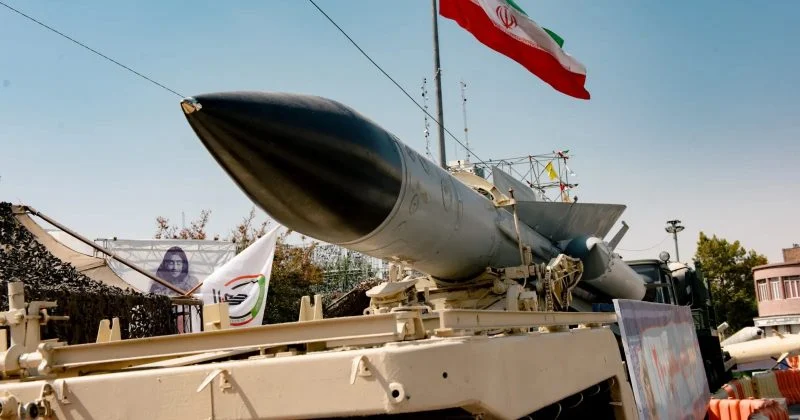
Iran has expanded its production of missiles and drones and is restoring underground military facilities, according to a report from the Jerusalem Post. The military build-up comes as the window for U.S.-Iran negotiations closes, with both sides appearing to prepare for a renewed round of conflict. The prior round is recent: the twelve-day war of June 2025, in which Israel and Iran traded missile, drone and air strikes, the United States bombed Iran's nuclear sites at Fordow, Natanz and Isfahan, and Iran retaliated with a missile salvo against the U.S. Al Udeid Air Base in Qatar before a ceasefire took hold. During the pause in direct negotiations, the United States and Gulf countries have also been replenishing their military stocks. Roughly a fifth of the world's oil trade passes through the Strait of Hormuz between Iran and Oman, which keeps Gulf military postures under close watch far beyond the region. Taken together, these actions appear to reflect expectations of further military exchanges rather than a diplomatic resolution.
Against this backdrop, prediction-market pricing indicates that the likelihood of a final nuclear deal being reached by the August 18, 2026 deadline has decreased significantly. On these platforms, a contract's YES price functions as the crowd's implied probability of the outcome, so the low percentages in these markets translate directly into long odds. The possibility of an agreement remains low across various timeframes, with odds staying below 3% for a deal by the end of September. The ongoing military preparations by both Iran and the United States contribute to a market view that a diplomatic breakthrough is increasingly unlikely in the short term.
The broader market sentiment shows a consistent trend of declining confidence in a swift resolution. The probability of a deal by the end of October — October 31, 2026 — is currently priced at 5.5% YES, while the December 31 deadline carries a slightly higher 15.5% YES. Across these timeframes, odds remain low, indicating limited confidence in a diplomatic resolution within the next few months. This pricing pattern reflects escalating tensions and the limited optimism surrounding a near-term diplomatic solution. Any new deal would succeed the 2015 Joint Comprehensive Plan of Action, which curbed Iran's nuclear program in exchange for sanctions relief until the United States withdrew in 2018. Iran has since enriched uranium to 60% purity — far above that accord's 3.67% cap and below the roughly 90% level associated with weapons-grade material.
With talks paused, attention is now focused on the principal negotiators. Steve Witkoff and Abbas Araghchi opened the current channel with direct talks in Oman in April 2025, later continued in Italy, and it has remained the main line between Washington and Tehran. Any statements from U.S. Lead Negotiator Steve Witkoff and Iranian Foreign Minister Abbas Araghchi are being monitored for indications of a shift in the talks. Developments in military activity — including further stockpiling or additional escalations — could also affect market perceptions. Positive diplomatic gestures, such as expanded access for the International Atomic Energy Agency (IAEA), the U.N. watchdog that monitors Iran's nuclear activities, or public announcements from President Trump or Ayatollah Khamenei, may likewise influence the market outlook for a potential agreement.

