Iran Infrastructure Threat Highlights Geopolitical Risks for Crypto Markets
Key Takeaways
- •Iran legalized Bitcoin mining in 2019 and subsidized electricity has made it one of the most cost-competitive mining jurisdictions globally within an estimated $7.8 billion crypto ecosystem.
- •Iranian authorities have repeatedly ordered seasonal shutdowns of licensed mining operations during summer months due to chronic power grid strain unrelated to military conflict.
- •A pro-Israel hacking group breached the Iranian crypto exchange Nobitex for approximately $90 million in June 2025, exposing vulnerabilities in Iran's digital financial infrastructure.
- •During Israel-Iran confrontations in June 2025, Bitcoin fell below $104,000 as oil prices surged and investors shifted away from risk assets.
- •U.S. and Israeli strikes on Iranian assets have already occurred, making potential infrastructure damage a realistic scenario with implications for Bitcoin's hash rate and broader crypto markets.
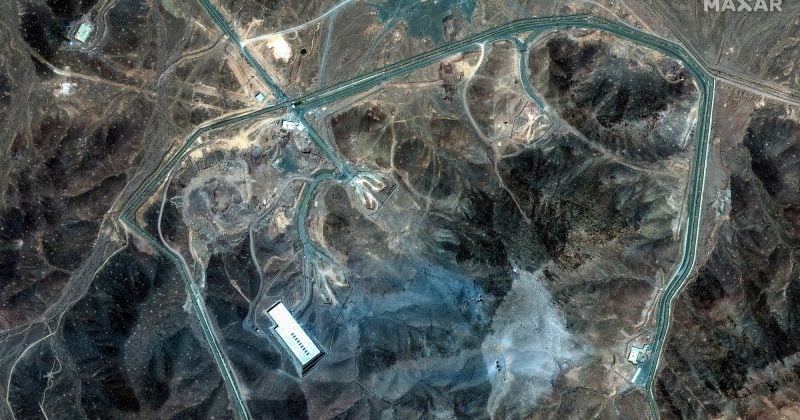
Iranian hardline activist Ali Gholhaki warned on August 1 that if Iran's energy infrastructure sustains extensive damage from U.S. or Israeli strikes, Tehran would retaliate by targeting critical infrastructure across the region and in Israel. The statement represents one individual's voice and has not been issued through official government channels.
Iran's Power Grid and Its Bitcoin Connection
Iran legalized Bitcoin mining in 2019, and the industry grew into a meaningful component of the country's estimated $7.8 billion crypto ecosystem. Subsidized electricity has been the driving force behind that growth, making Iran one of the most cost-competitive mining jurisdictions globally.
Iran's grid, however, has been under chronic strain independent of any military scenario. Iranian authorities have repeatedly ordered seasonal shutdowns of licensed mining operations during summer months to manage peak electricity demand, underscoring how fragile the country's power infrastructure already is before factoring in conflict-related damage.
Any damage to Iran's power grid—whether from military strikes or retaliatory conflict—would compound existing pressures on this mining base. Fewer Iranian miners operating means a short-term decline in Bitcoin's global hash rate, the computational power that secures the network. China's 2021 mining ban demonstrated how the sudden removal of a major mining jurisdiction can produce a visible hash rate drop before the network rebalances, offering a reference point for how a large-scale Iranian disruption could register.
Iran's crypto activity extends beyond mining. The country has relied substantially on stablecoins and peer-to-peer crypto trading to circumvent international sanctions, tying the broader ecosystem closely to the stability of domestic infrastructure. Other sanctioned states, including North Korea, have similarly leveraged crypto for circumvention purposes, placing Iran within a broader pattern of digital-asset use under economic isolation.
The Nobitex incident in June 2025 illustrated the fragility of that system. A pro-Israel hacking group breached the Iranian crypto exchange for approximately $90 million, shaking domestic crypto confidence and exposing the vulnerability of Iran's digital financial infrastructure to external pressure.
Middle East Conflict and Bitcoin Markets
During the Israel-Iran confrontations in June 2025, Bitcoin fell below $104,000 as investors retreated from risk assets. Oil prices surged at the same time, and tokenized oil contracts experienced real-time liquidations as traders rushed to reprice exposure.
Escalating tensions around Iranian targets have historically raised concerns about potential shipping disruptions through the Strait of Hormuz, a critical chokepoint through which roughly twenty percent of global oil supply flows. Oil price shocks feed directly into broader market risk sentiment, which in turn influences Bitcoin pricing.
Key Factors to Monitor
Gholhaki is a hardline activist and social media influencer rather than a government official. The more significant factor is the underlying reality: U.S. and Israeli strikes on Iranian assets have already taken place, making the question of infrastructure damage no longer purely hypothetical.
The first indicator to track is Iran's domestic power grid stability. Any credible reporting of significant electricity disruption within Iran would signal near-term hash rate pressure on the Bitcoin network.
The second variable is oil. If tensions around the Strait of Hormuz intensify, a commodity shock could trigger the same risk-off response observed in June 2025.
The third consideration involves the broader sanctions ecosystem. Iran's reliance on crypto as a financial workaround means that any destabilization of its domestic infrastructure also serves as a stress test for how sanctioned economies use decentralized finance. Regulators in Washington have cited Iran's crypto activity as a recurring argument for tighter blockchain oversight.
Notably absent so far is any significant response from the crypto community to Gholhaki's statement.

