Iran Debates Retaliation After Ukraine Attack on Merchant Ship
Key Takeaways
- •Iran is considering whether to respond to the attack in a way that deters further action without sparking a wider conflict.
- •The incident has increased concern about the security of the Strait of Hormuz, which is critical for global oil shipments.
- •Market pricing now shows a slightly lower chance that traffic through the strait will return to normal by August 31.
- •Any Iranian countermeasure could affect global shipping and energy markets by adding uncertainty to maritime routes.
- •The situation is being watched for possible implications involving Europe, NATO, and broader regional stability.
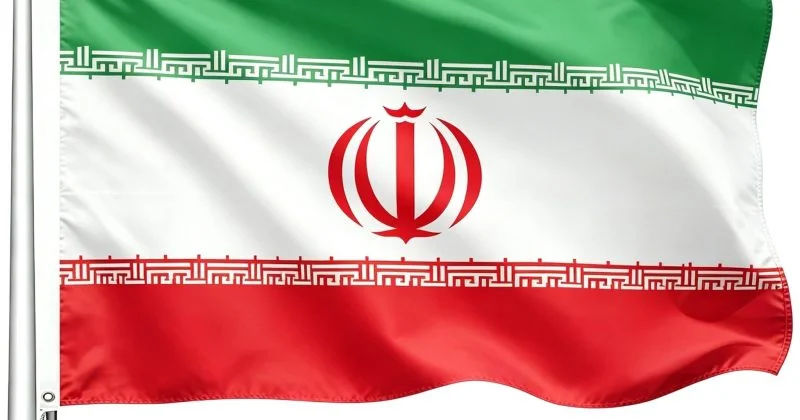
A recent attack by Ukraine on an Iranian merchant ship has prompted a debate in Tehran over whether to retaliate. Iranian leaders are weighing whether such a response would strengthen deterrence or instead risk escalating tensions into a broader conflict involving Europe and NATO. The incident highlights the complexity of Iran’s deepening ties with Russia amid the ongoing Russia–Ukraine war, along with the possible consequences for international shipping and regional stability.
The attack on a commercial vessel represents an escalation that could trigger retaliatory measures and increase the risks to maritime security in the region. That makes the episode relevant beyond the immediate Iran-Ukraine dispute: any Iranian response could feed into an already fragile regional security picture and add uncertainty for shipping routes that carry a large share of global energy flows. Market participants are closely following the situation, as Iran’s internal deliberations could affect broader geopolitical dynamics and raise the likelihood of military confrontation involving major global players. The development has also increased concerns about the security of the Strait of Hormuz, a critical chokepoint for global oil shipments.
Following the attack, markets tracking the normalization of traffic through the Strait of Hormuz by August 31 have shown a slight decline in the probability of a return to normal conditions. The move reflects uncertainty over possible Iranian countermeasures and the risk of further escalation.
Key Takeaways
The attack has heightened concerns about military escalation, with market pricing indicating a lower likelihood that Strait of Hormuz traffic will return to normal by the end of August.
Iran’s internal debate over retaliation suggests uncertainty in Tehran about how to balance deterrence against the risk of a broader conflict involving NATO and European countries.
Market conditions reflect the possibility of tighter maritime restrictions, with implications for global shipping and energy markets.
What to Watch
Observers should monitor statements from Iranian leaders, including Ayatollah Ali Khamenei and President Masoud Pezeshkian, for any sign of retaliatory action. Developments in traffic through the Strait of Hormuz will also be important, since any official closure or escalation could further affect market expectations. European responses, including any signs of military involvement or de-escalation efforts, will also help shape the geopolitical outlook and market reaction.
Get live prediction-market analysis, powered by Vera. Sign up for Vera.

