Iran Conflict Drives U.S. Fuel Prices Higher as Gasoline Tops $4 and Diesel Reaches $5.13 Per Gallon
Key Takeaways
- •The escalating conflict involving Iran has pushed U.S. gasoline prices above $4 per gallon and diesel to approximately $5.13 per gallon.
- •The Strait of Hormuz, through which roughly one-fifth of global oil supply transits daily, makes any escalation involving Iran particularly significant for energy markets.
- •Rising diesel costs carry broad economic implications because commercial trucking, agriculture, construction, and industrial sectors all depend heavily on diesel-powered equipment.
- •Persistently elevated energy prices could complicate Federal Reserve monetary policy by increasing inflationary pressures while simultaneously dampening consumer spending.
- •The U.S. Strategic Petroleum Reserve has been drawn down in recent years, leaving a smaller buffer available to cushion sudden supply shocks.
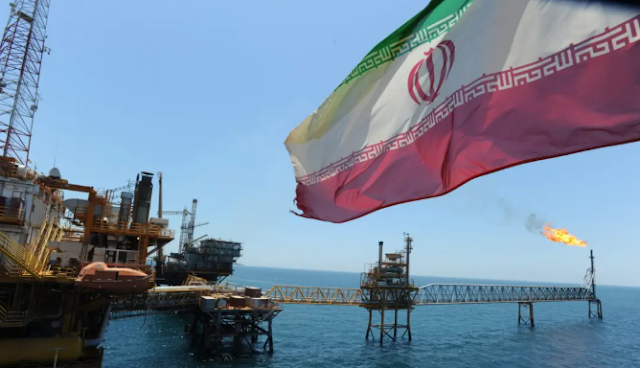
Iran Conflict Drives U.S. Fuel Prices Higher as Gasoline Tops $4 and Diesel Reaches $5.13 Per Gallon
The escalating conflict involving Iran has contributed to a sharp increase in fuel prices across the United States, with the national average price of gasoline rising above $4 per gallon while diesel has climbed to approximately $5.13 per gallon, according to the latest market data circulating among energy analysts.
The price surge has renewed concerns over inflation, transportation costs, consumer spending, and the broader economic impact of geopolitical instability in one of the world's most strategically important energy-producing regions. The development gained additional attention after being highlighted by Cointelegraph's X account. While the original update was brief, economists say the consequences extend far beyond fuel stations, affecting supply chains, financial markets, businesses, and household budgets throughout the United States.
As global oil markets respond to growing uncertainty, investors are closely monitoring developments in the Middle East for signals that energy prices could remain elevated in the weeks ahead.
Geopolitical Tensions Shake Global Energy Markets
Energy markets have historically reacted quickly to conflicts involving major oil-producing regions. The Middle East remains one of the world's most important sources of crude oil production and exports, making any military escalation a significant concern for commodity traders. Iran itself is one of the largest producers within OPEC, and any escalation involving Tehran carries particular weight because of its proximity to the Strait of Hormuz, through which roughly a fifth of global oil supply transits daily.
When geopolitical risks intensify, investors often anticipate potential supply disruptions even before actual production is affected. That expectation alone can drive oil futures higher as markets attempt to price in increased uncertainty. Recent developments involving Iran have once again demonstrated how closely energy prices remain tied to geopolitical events.
Why Fuel Prices Are Rising
Gasoline and diesel prices are influenced by several interconnected factors. Crude oil serves as the primary input for refined petroleum products; when crude prices rise, refining costs generally increase as well, eventually leading to higher prices at retail fuel stations. Transportation expenses, refinery capacity, seasonal demand, inventory levels, taxation, and currency movements also contribute to final consumer prices.
Geopolitical instability often amplifies these pressures by increasing uncertainty throughout global commodity markets. The latest increase reflects both higher oil prices and growing concerns regarding future supply stability.
The Strategic Importance of the Middle East
The Middle East continues to play a central role in global energy security. Several of the world's largest oil exporters operate within the region, supplying millions of barrels of crude oil to international markets every day. Shipping routes connecting Gulf producers with Asia, Europe, and North America remain among the most critical maritime trade corridors globally. The Strait of Hormuz, located between Iran and Oman, is the single most important oil transit chokepoint in the world, and episodes of regional tension have periodically raised the specter of disruption to that waterway.
Any disruption affecting regional exports can influence energy prices worldwide. As a result, financial markets monitor geopolitical developments in the region with exceptional attention.
Consumer Impact Across the United States
Higher gasoline prices directly affect millions of American households. Consumers typically face increased transportation costs, while businesses dependent on logistics confront rising operating expenses.
Diesel prices have an even broader economic impact because commercial trucking, rail freight, agriculture, construction, and industrial sectors rely heavily on diesel-powered equipment. Diesel is effectively the fuel of the freight economy, moving the vast majority of goods shipped within the United States. Higher diesel costs frequently translate into increased shipping expenses, which can eventually influence prices paid by consumers across multiple industries. The effects often extend well beyond the energy sector itself.
Inflation Concerns Return
Energy represents one of the most important components of overall inflation. When fuel prices rise significantly, transportation and production costs generally increase across much of the economy. Businesses often pass at least part of those higher costs to consumers.
Economists therefore closely monitor gasoline and diesel prices when evaluating inflation trends. Persistently elevated energy prices could complicate monetary policy decisions by increasing inflationary pressures while simultaneously slowing consumer spending. The Federal Reserve, which operates under a dual mandate of stable prices and maximum employment, must weigh commodity-driven price spikes against the risk that higher energy costs dampen growth. Central banks frequently consider commodity prices when assessing broader economic conditions.
Financial Markets React
Oil price movements often influence multiple asset classes simultaneously. Energy companies may benefit from higher crude prices, while transportation firms, airlines, manufacturers, and retailers can face increased operating costs.
Stock markets frequently adjust as investors reassess corporate earnings expectations. Commodity markets, foreign exchange markets, government bonds, and inflation-linked securities may also respond to significant changes in energy prices. The latest geopolitical developments have therefore attracted attention across global financial markets.
Global Supply Chain Implications
Modern supply chains remain highly dependent on affordable transportation. Higher fuel costs increase expenses throughout manufacturing, shipping, warehousing, and distribution networks. International trade may also become more expensive if elevated oil prices persist.
Companies managing global logistics often respond by adjusting pricing strategies, optimizing transportation routes, or reevaluating inventory management. Long-term energy volatility can therefore influence business decisions well beyond the petroleum industry.
Energy Security Becomes a Policy Priority
Periods of geopolitical instability frequently renew discussions regarding national energy security. Governments may evaluate strategic petroleum reserves, domestic production capacity, refining infrastructure, renewable energy investment, and long-term supply diversification. The United States Strategic Petroleum Reserve, the world's largest emergency crude stockpile, has been drawn down in recent years, leaving less of a buffer available to cushion sudden supply shocks.
Reducing dependence on vulnerable supply chains has become an increasingly important policy objective for many countries. Energy security now intersects with national security, economic resilience, industrial policy, and international diplomacy. The current situation highlights the continuing importance of stable global energy markets.
Looking Ahead
The recent increase in U.S. gasoline prices above $4 per gallon and diesel prices reaching approximately $5.13 per gallon illustrates how geopolitical developments can rapidly influence everyday economic conditions. While market conditions remain fluid, investors, policymakers, businesses, and consumers are all closely monitoring developments involving Iran and their potential impact on global energy supplies.
Future price movements will depend on military developments, oil production levels, shipping conditions, refinery operations, and broader market sentiment. However, the latest surge serves as another reminder of the close relationship between international geopolitics and domestic economic stability.
For financial markets, elevated energy prices represent more than a commodity story. They influence inflation, monetary policy, corporate earnings, consumer confidence, and investment decisions across virtually every major sector of the economy.

