Iran Confirms No Direct US Talks, Only Intermediary Messages
Key Takeaways
- •Iranian Foreign Minister Abbas Araghchi has publicly stated that no direct talks are currently underway between Iran and the United States.
- •All communication between the two nations is limited to indirect message exchanges facilitated through intermediary countries such as Switzerland, Oman, and Qatar.
- •The United States and Iran have not maintained official diplomatic relations since 1980, following the Islamic Revolution and the US Embassy hostage crisis.
- •Araghchi's confirmation reduces the probability of formal US-Iran peace talks occurring by the end of August 2026, as no direct negotiation framework exists.
- •Market pricing reflecting the likelihood of US-Iran diplomatic engagements has shown a moderate decline, signaling growing skepticism about near-term direct negotiations.
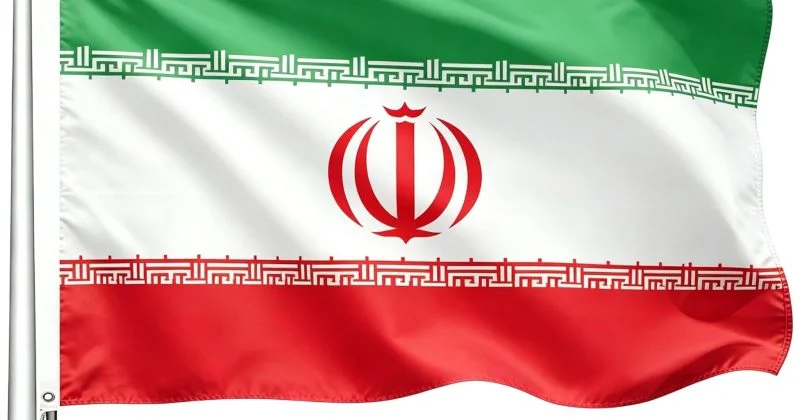
Iran's Foreign Minister, Abbas Araghchi, has confirmed that there are no direct talks underway with the United States, stating that communication between the two countries is limited to message exchanges carried out through intermediaries.
The announcement comes amid persistent tensions and the continued absence of formal diplomatic relations between Washington and Tehran. The two nations have not maintained official diplomatic ties since 1980, following the 1979 Islamic Revolution and the subsequent hostage crisis at the US Embassy in Tehran. Historically, Switzerland has served as the protecting power for US interests in Iran, while Oman and Qatar have periodically acted as mediators for indirect communications between the two governments.
Araghchi emphasized the deep lack of trust between Iran and the United States, indicating that the current exchanges of messages through third parties should not be interpreted as negotiations. The indirect communication channel reflects a broader, established pattern in which both nations have engaged diplomatically through regional and international mediators rather than through face-to-face dialogue.
The backdrop for these exchanges includes the collapse of the 2015 Joint Comprehensive Plan of Action (JCPOA), the nuclear agreement that lifted sanctions on Iran in exchange for curbs on its nuclear program. The US withdrew from the deal in 2018 under President Donald Trump and reimposed sweeping sanctions, while Iran progressively scaled back its compliance with the agreement's enrichment limits. Repeated efforts to revive the deal under the Biden administration did not produce a restored agreement, leaving the JCPOA's future uncertain and keeping Iran's nuclear advancements a central concern for international powers.
The confirmation of only indirect communications is consistent with a scenario in which formal peace talks are unlikely to take place by the end of August 2026. Araghchi's statement appears to reduce the likelihood of a potential US-Iran meeting in the United Arab Emirates by the specified date, given that no direct negotiation framework exists.
Market pricing related to the probability of US-Iran diplomatic engagements has indicated a moderate decrease, reflecting broader skepticism over the prospects of direct talks materializing in the near term.
Observers are advised to monitor any official announcements from either the US or Iranian governments regarding potential shifts in communication strategy. Developments such as active mediator interventions or unexpected diplomatic overtures could alter the current outlook. The ongoing political dynamics in the Middle East, particularly the roles played by regional mediators such as Qatar and Pakistan, may influence the trajectory of US-Iran relations. Markets are expected to react to any signs of progress or setbacks in these indirect diplomatic efforts.

