Iran Condemns Alleged U.S. Attacks on Rescue Vessels in Strait of Hormuz
Key Takeaways
- •Iran said U.S. forces targeted the Naji-15 and Naji-16 rescue vessels during humanitarian operations in its territorial waters.
- •Tehran has taken the matter to the United Nations Security Council and characterized the alleged attacks as a war crime.
- •The Strait of Hormuz remains a major route for energy and commercial cargo moving between the Persian Gulf and wider markets.
- •A prediction market currently shows a 14.5% probability that traffic through the Strait of Hormuz will normalize by August 31.
- •Related markets reflect concern about further escalation, including possible European military action against Iran.
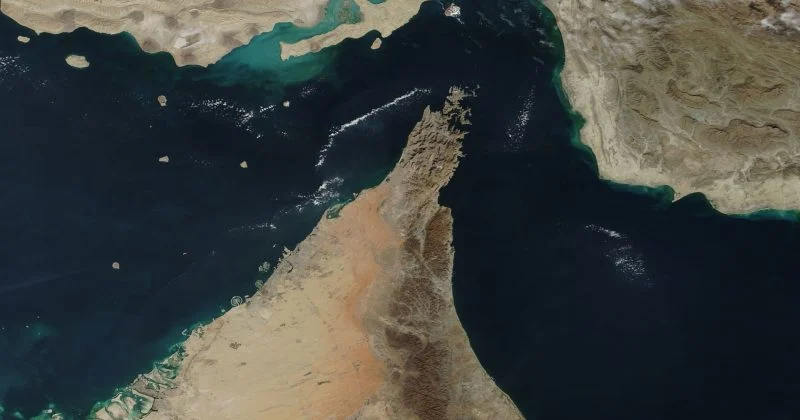
Iran has condemned what it described as recent U.S. attacks on Iranian rescue vessels in the Strait of Hormuz, calling the actions violations of humanitarian law, according to a statement reported by @IrnaEnglish.
The incident took place in the Gulf’s Strait of Hormuz and involved the Iranian search-and-rescue vessels Naji-15 and Naji-16. Iran said the vessels were targeted while carrying out humanitarian operations inside its territorial waters.
Iran has referred the matter to the United Nations Security Council and has characterized the alleged attacks as a war crime. The complaint adds to continuing maritime tensions between the United States and Iran in the Strait of Hormuz, a major global shipping route that links the Persian Gulf with the Gulf of Oman and the wider Arabian Sea.
Prediction-market activity has reflected attention to the incident as a potential factor for traffic through the Strait of Hormuz. A market on whether Strait of Hormuz traffic will normalize by August 31 currently shows a 14.5% probability of a return to normal conditions. That level represents a slight increase from previous days while continuing to indicate uncertainty around the route.
Related markets have also reflected concern about the risk of further escalation, including markets tied to possible European military action against Iran. The focus on shipping conditions reflects the Strait’s role as a key passage for energy and commercial cargo moving in and out of the Gulf.
Iran’s condemnation of U.S. actions has further elevated the maritime dispute, with potential implications for shipping lanes in the region. Current market pricing indicates a low probability that Strait of Hormuz traffic will normalize by the end of August, in line with the continued tensions.
Observers are watching for any developments from the United Nations Security Council regarding Iran’s complaint, including possible statements or resolutions. Official communications or actions from U.S. or Iranian leadership may also provide additional information about the direction of the dispute. The period leading up to the end of August remains relevant for assessing whether traffic conditions in the Strait of Hormuz return to normal.

