Iran Set to Receive Chinese Air Defense Systems in Major Military Rebuilding Effort
Key Takeaways
- •The reported agreement between Iran and China involves 300 to 400 portable air defense systems valued at approximately $60 to $70 million.
- •The QW-12 and FN-16 missile systems are shoulder-fired weapons designed to counter low-altitude aerial threats including aircraft, helicopters, and drones.
- •The deal was facilitated through a Hong Kong-based intermediary company and represents one of Tehran's largest recent efforts to expand short-range air defense capabilities.
- •The reported shipment comes as Iran seeks to rebuild defensive infrastructure following regional military confrontations, including exchanges with Israel.
- •The development could influence energy markets and investor sentiment due to Iran's role in global oil production and proximity to the Strait of Hormuz.
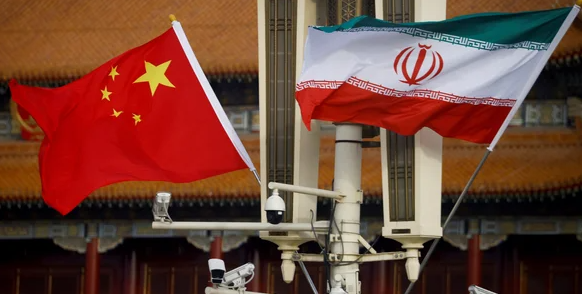
Iran is expected to receive an initial shipment of Chinese-made air defense missile systems within weeks, according to a Reuters report citing sources familiar with the agreement. The deal marks one of Tehran's largest known efforts in recent years to expand its short-range air defense capabilities as the country seeks to rebuild and reinforce its military defenses following recent regional tensions, including exchanges with Israel that reportedly damaged elements of Iran's air defense network.
Details of the Reported Agreement
The reported deal involves between 300 and 400 Chinese-made man-portable air defense systems (MANPADS), including QW-12 and FN-16 missile systems. MANPADS are typically shoulder-fired weapons operated by individual soldiers or small crews, making them fundamentally different from the large, vehicle-mounted or fixed-site missile batteries that form the backbone of integrated air defense networks. The purchase is reportedly valued between $60 million and $70 million and was arranged through a Hong Kong-based intermediary company that facilitated the transaction between Iranian and Chinese parties.
The systems are designed to improve Iran's ability to counter low-flying threats, including aircraft, helicopters, and drones. The agreement comes as Tehran seeks to address vulnerabilities exposed during military confrontations with the United States and Israel.
The development has drawn international attention, highlighting the continued expansion of military ties between Iran and China while raising new questions about regional security dynamics in the Middle East.
Iran's Defensive Rebuilding Effort
The reported shipment comes as Tehran attempts to rebuild parts of its defensive infrastructure after a period of intense military pressure. Iranian officials have repeatedly emphasized the need to strengthen national defense capabilities, particularly air defense systems designed to protect military facilities, energy infrastructure, and other strategic locations.
MANPADS have become increasingly important in modern conflicts because they provide flexibility and mobility compared with traditional fixed defense systems. Unlike large air defense batteries that require permanent locations and extensive infrastructure, portable systems can be moved quickly, deployed by small teams, and repositioned frequently. Military analysts say this mobility can make them more difficult to detect and target.
According to Reuters, the acquisition would provide Iran with an additional layer of short-range air defense capability at a time when drone warfare and precision-guided attacks have become increasingly common. Analysts note that integrated air defense requires multiple overlapping layers — from long-range strategic systems to short-range point defenses — and that portable missiles fill the gap closest to the ground.
The QW-12 and FN-16 Systems
The QW-12 and FN-16 systems are Chinese-designed infrared-guided surface-to-air missiles intended to engage low-altitude aerial threats. Their primary role is to provide protection against aircraft, helicopters, and unmanned aerial vehicles operating near the battlefield.
Although these systems are not considered substitutes for advanced long-range air defense networks, analysts say they can create additional challenges for attacking forces by increasing the number of potential threats across a conflict zone.
Iran has invested heavily in domestic missile production, drones, and radar technology over the past two decades. However, military experts note that international sanctions and restrictions have limited Tehran's access to some advanced foreign defense technologies. The reported agreement with China reflects Iran's broader strategy of combining domestic weapons development with foreign military partnerships.
Deepening China-Iran Ties
China has become one of Iran's most important economic and diplomatic partners, particularly as Tehran faces continued pressure from Western governments. The relationship between Beijing and Tehran has expanded across energy, trade, and strategic cooperation since the two countries signed a 25-year strategic partnership agreement in 2021. The reported defense agreement adds another dimension to those ties, although China has denied involvement in certain allegations regarding military transfers.
The potential delivery has raised questions among regional governments and security analysts who are closely monitoring military developments in the Middle East. Any significant improvement in Iran's air defense capabilities could influence calculations among countries involved in regional security, particularly those concerned about missile attacks, drone operations, and military escalation.
Modern Warfare and Drone Threats
For Iran, strengthening air defenses has become a major priority after previous conflicts exposed weaknesses in protecting sensitive locations. Military analysts say modern warfare increasingly depends not only on offensive capabilities but also on the ability to defend against increasingly sophisticated aerial threats.
Drones, in particular, have transformed battlefield strategies in recent years. Low-cost unmanned aircraft can be used for surveillance, targeting, and attacks, creating challenges even for countries with advanced military technology. Portable missile systems provide one method of countering these threats by allowing forces to deploy defensive capabilities closer to potential targets.
However, analysts note that no single weapons system can completely eliminate vulnerabilities. Effective air defense usually requires multiple layers, including radar networks, electronic warfare systems, fighter aircraft, and missile platforms operating together. The reported Chinese shipment would likely represent only one component of Iran's broader military modernization efforts.
Geopolitical Context
The timing of the agreement has attracted attention because it comes amid continued geopolitical tensions involving Iran, the United States, and Israel. Regional security analysts have warned that additional military cooperation between Iran and foreign partners could affect strategic calculations across the Middle East.
The United States has historically opposed military technology transfers that could strengthen Iran's capabilities, particularly involving systems that may affect regional military balances. Washington and its allies have maintained sanctions targeting Iran's defense sector, arguing that limiting weapons access is necessary to reduce security risks.
Iran, however, has argued that strengthening its military capabilities is necessary for national defense and deterrence. Tehran has repeatedly stated that its military programs are designed to protect the country from external threats.
The reported agreement also highlights the increasing importance of China as a supplier in global defense markets. Over recent decades, China has expanded its military technology industry and developed a wider range of export products, including air defense systems, drones, and missile technologies. Several countries have purchased Chinese military equipment as alternatives to traditional suppliers. For Iran, cooperation with China provides an opportunity to strengthen capabilities despite restrictions imposed by Western sanctions.
Delivery Logistics and Uncertainties
The reported delivery route and logistics surrounding the shipment remain sensitive issues. Reuters reported that sources indicated several possible transportation arrangements were being considered, including routes involving third countries. However, details regarding the final delivery process remain unclear. Officials in countries mentioned in connection with possible transit routes have denied involvement in supplying air defense weapons to Iran.
The uncertainty surrounding the shipment reflects the broader challenges involved in international arms transfers, particularly when they involve countries under sanctions or geopolitical pressure.
Potential Market and Regional Implications
Beyond military implications, the development could influence financial markets and investor sentiment. Energy markets often react to developments involving Iran because of the country's role in global oil production and its proximity to the Strait of Hormuz, through which roughly a fifth of the world's daily oil supply passes. Any increase in tensions involving Iran can affect expectations surrounding oil supplies, shipping routes, and broader geopolitical risks.
Investors typically monitor military developments in the Middle East closely because unexpected escalation can create volatility across commodities, currencies, and global equities. Information regarding the reported weapons agreement has also circulated among financial and geopolitical communities, including discussions shared by the Coin Bureau account on X.
Source: X post
Outlook
The situation remains fluid, and the final timeline, quantity, and implementation details of the reported shipment could change. Military analysts emphasize that weapons deliveries are only one factor in determining strategic outcomes. Training, logistics, maintenance, intelligence capabilities, and broader military coordination all influence how effective any defense system becomes.
The reported Chinese missile shipment represents another sign of Iran's efforts to strengthen its defensive posture while navigating a challenging geopolitical environment. The move could further deepen cooperation between Tehran and Beijing while adding another layer of complexity to already tense relations between Iran and Western governments.
Source: Hokanews

