Iranian Parliamentary Committee Reviews Draft Bill to Bar US and Israeli Ships from Strait of Hormuz
Key Takeaways
- •Iran's parliamentary committee is reviewing a draft bill that would prohibit U.S., Israeli, and other designated hostile vessels from transiting the Strait of Hormuz.
- •Vessels found violating the proposed restrictions would face fines amounting to as much as 20 percent of their cargo's value.
- •The Strait of Hormuz serves as a critical transit route for roughly one-fifth of global oil consumption as well as significant volumes of liquefied natural gas.
- •Iran has signed but not ratified the United Nations Convention on the Law of the Sea and has historically disputed the applicability of its transit passage provisions to its territorial waters.
- •No timeline has been provided for a parliamentary vote, and enforcement of the bill would face practical and diplomatic challenges due to international naval presence and global economic stakes.
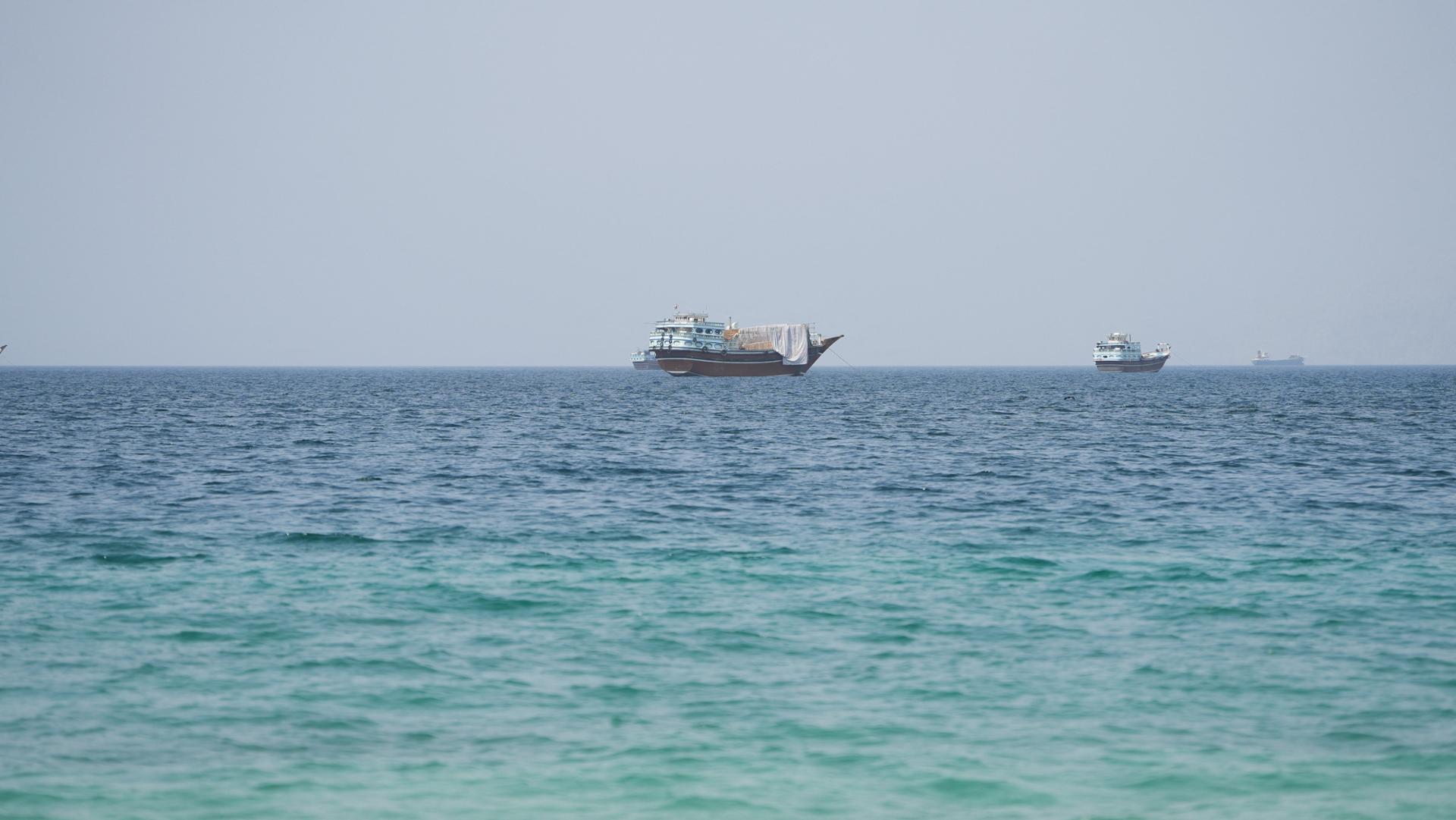
An Iranian parliamentary committee is reviewing a preliminary draft bill that would prohibit U.S., Israeli, and other designated "hostile" vessels from transiting the Strait of Hormuz, according to a report by Iran's semi-official Fars news agency. The report cited a member of parliament.
Under the proposed legislation, vessels found in violation of the restrictions would face fines amounting to as much as 20 percent of the ship's cargo value.
The lawmaker indicated that the bill remains under expert review. Parliament has reportedly invited specialists to submit recommendations before the draft is finalized and advanced through the legislative process.
The Strait of Hormuz, situated between Iran and Oman's Musandam Peninsula, is one of the world's most strategically significant maritime chokepoints. It connects the Persian Gulf to the Gulf of Oman and the Arabian Sea, serving as a critical transit route for global energy shipments. According to the U.S. Energy Information Administration, roughly one-fifth of global oil consumption flows through the strait, alongside significant volumes of liquefied natural gas, primarily from Qatar.
Under the United Nations Convention on the Law of the Sea (UNCLOS), straits used for international navigation are subject to a transit passage regime that generally cannot be suspended by bordering states. Iran has signed but not ratified the convention, and has historically disputed the full applicability of such provisions to its territorial waters.
Iran has periodically threatened to restrict or close the strait during periods of heightened regional tension. The waterway has long been a focal point of geopolitical friction involving Iran, the United States, and their respective allies. In recent years, Iran has seized commercial vessels in and around the strait and the broader Gulf, drawing condemnation from Western governments and maritime watchdogs.
The draft bill's review comes amid ongoing scrutiny of maritime security in the region and elevated tensions between Iran and both the United States and Israel. Earlier this year, Iran and Israel exchanged unprecedented direct military strikes, raising concerns about potential escalation pathways involving maritime infrastructure and shipping lanes.
No timeline has been given for when the legislation might be brought before the full parliament for a vote. Even if passed, enforcement would pose significant practical and diplomatic challenges, given the heavy presence of international naval forces in the region and the global economic stakes tied to uninterrupted passage through the waterway.
