Iran attacks expose vulnerabilities in U.S. Gulf bases, sparking strategic debate
Key Takeaways
- •Recent Iranian attacks have exposed vulnerabilities in U.S. military bases across the Gulf, prompting debate over whether to reinforce or disperse American facilities.
- •Market pricing now places the probability of a U.S. invasion of Iran at 16.5% for a military offensive by the end of 2026.
- •The conflict's missile and drone strikes have raised concerns about the survivability of fixed U.S. installations in the region.
- •Observers suggest the situation could drive a shift in U.S. military strategy toward a more dispersed and flexible regional defense posture.
- •Analysts will monitor statements from President Donald Trump and Defense Secretary Pete Hegseth, changes in troop deployments, and any ceasefire or de-escalation efforts.
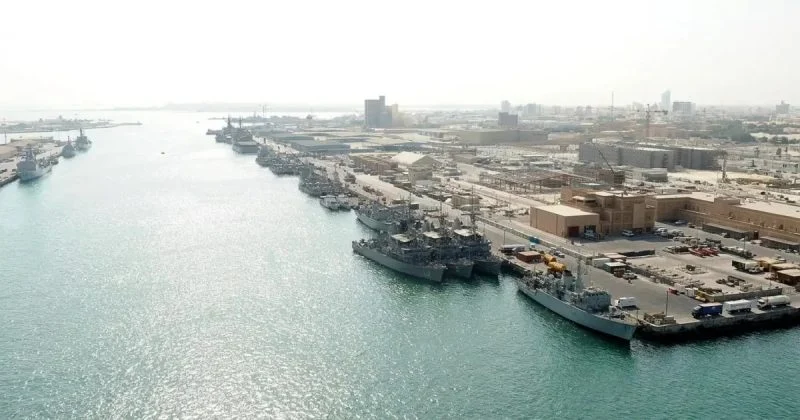
Recent Iranian attacks on U.S. military bases in the Gulf have highlighted vulnerabilities in Washington’s regional defense posture. As the conflict between the United States and Iran intensifies, the exposure of U.S. bases has prompted debate over whether to reinforce existing facilities or adopt a more dispersed strategy. The ongoing conflict, marked by missile and drone strikes, has raised concerns about the survivability of fixed installations, with implications for future U.S. military strategy in the region. Those questions matter because the Gulf has long served as a core operating area for U.S. forces, and any reassessment of base posture would affect how Washington projects power and protects personnel across the region.
The situation has also led markets to reassess the likelihood of a U.S. invasion of Iran before the end of 2027. Current market pricing suggests a slight increase in the perceived probability of such an invasion, with the odds now at 16.5% for a military offensive by December 31, 2026. The move reflects heightened concerns over regional stability and the potential for further escalation, even as the region continues to face uncertainty tied to ongoing missile and drone activity.
Observers say the recent developments in the Gulf could point to a shift in U.S. military strategy, potentially toward a more flexible regional defense posture. The question of whether to rebuild or disperse U.S. military facilities could have significant implications for the broader geopolitical landscape and for future U.S.-Iran relations, especially if U.S. officials begin linking force protection with broader deterrence planning.
Key Takeaways
Recent Iranian attacks appear to expose vulnerabilities in U.S. military bases in the Gulf, sparking a strategic debate.
Market pricing suggests an increased likelihood of a U.S. invasion of Iran, now at 16.5% for a 2026 offensive.
The situation could indicate a potential shift in U.S. military strategy toward a more dispersed regional presence.
What to Watch
Developments in U.S. military strategy and any official announcements regarding the rebuilding or dispersal of bases will be closely watched. Key indicators include statements from President Donald Trump and Defense Secretary Pete Hegseth, as well as any changes in regional troop deployments. Markets will also monitor diplomatic moves, including potential ceasefire negotiations or reports of de-escalation efforts, which could affect the perceived odds of a U.S. invasion.
Get live prediction-market analysis, powered by Vera. Sign up for Vera.
