Iowa Republican's Campaign Against Big Ag Puts GOP in Familiar Bind, Report Finds
Key Takeaways
- •Zach Lahn, Iowa's Republican nominee for governor, is campaigning against the fertilizer, pesticide, and farm-chemical industries, which he blames for drinking water contamination and elevated cancer rates.
- •Iowa ranks among the states with the nation's highest cancer incidence and second-highest new cancer rates, a pattern researchers have long studied in connection with agricultural chemical exposure.
- •Lahn upset Trump's chosen candidate, Rep. Randy Feenstra, in the June primary and then won Trump's endorsement a month later.
- •His campaign exposes a Republican coalition split between MAHA activists championed by Robert F. Kennedy Jr. and agricultural and chemical industry interests.
- •Some Republicans remain skeptical of Lahn — state Rep. Jeff Shipley noted colleagues think he has adopted leftist talking points — while Iowa Soybean Association CEO Kirk Leeds said farmers are uncertain about him.
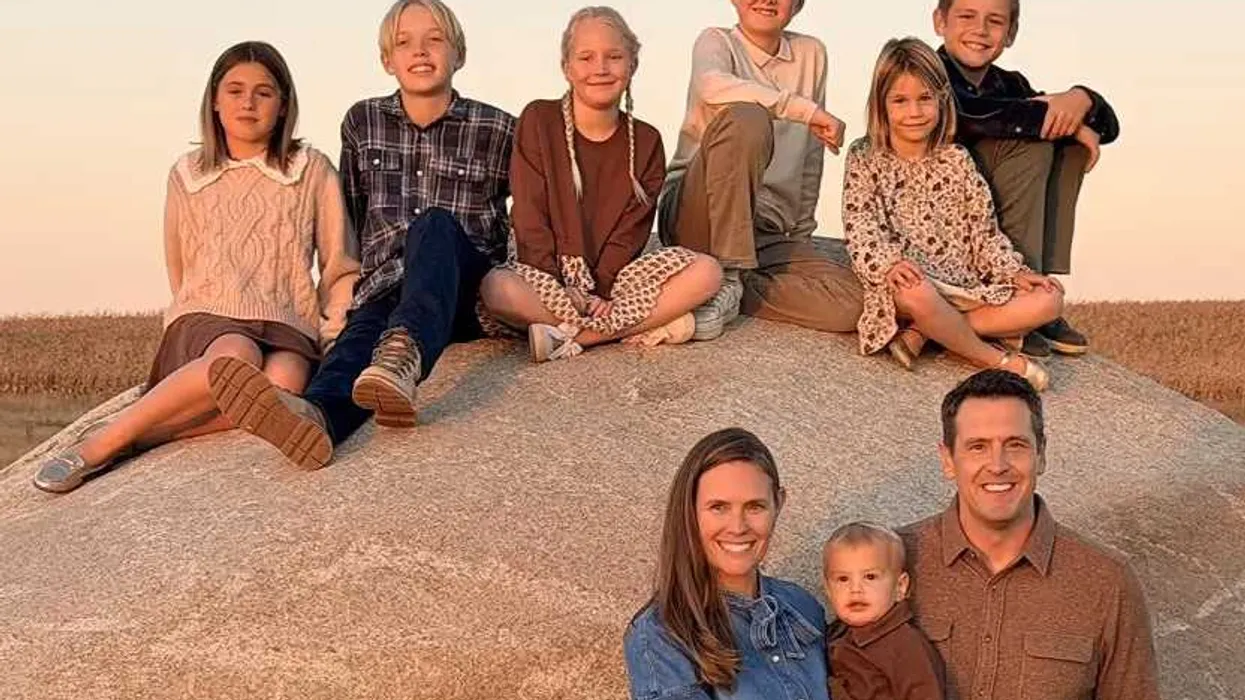
Facing a difficult election fight in a state hit hard by President Donald Trump's tariffs and the Iran war, Iowa's Republican nominee for governor is creating a headache for his own party.
According to Politico's Ellie Borst, Republican Zach Lahn has built his gubernatorial campaign around an issue once considered untouchable in GOP politics: taking on the fertilizer, pesticide and farm-chemical industries he blames for contaminating Iowa's drinking water and driving up the state's cancer rates. Iowa has ranked among the states with the nation's highest cancer incidence and the second-highest new cancer rates, a discrepancy public-health researchers have long studied in connection with agricultural chemical exposure, giving the issue unusual salience in a state where farming anchors the economy.
"Once unimaginable for a politician of either party in Iowa, Lahn's campaign is putting the state's Republicans in the same bind that has bedeviled the Trump administration during its second term: stuck between the demands of Make America Healthy Again (MAHA) activists and the interests of agricultural and chemical companies that hold deep sway with the party," Borst wrote. The MAHA movement, championed by Health and Human Services Secretary Robert F. Kennedy Jr., has pushed food and health policy — including pesticide restrictions and scrutiny of ultra-processed foods — into Republican coalition politics at the national level, and Lahn's campaign shows that tension now playing out directly in a farm-state election.
"Many people in the primary said, 'You can't win an election in the Republican primary talking about the big agricultural conglomerates that are extorting our farmers, talking about clean water, and how we need to lower our cancer rates,'" Lahn said in a stump speech this month at the Iowa State Fair, where Big Ag's corporate sponsorships and branded merchandise were hard to miss.
Lahn pulled off a stunning June primary upset over Trump's own pick, Rep. Randy Feenstra — then won Trump's endorsement a month later, with Trump declaring Lahn "much more Trump" than Feenstra. Now, with an open Senate seat and three competitive House races also on the ballot, rank-and-file Republicans are left with little choice but to support a candidate running on ideas most of them do not agree with, even as Democrats see their "best shot" at the governor's mansion in two decades. How Lahn fares — and whether his farm-chemical platform depresses or mobilizes Republican turnout — will be a test case for whether the MAHA agenda can win statewide office in the heart of farm country, with implications for how other Republicans in agricultural states approach the issue.
"Even within our own caucus, there are some Republicans that are still skeptical of Zach and think that he's adopted leftist talking points," said state Rep. Jeff Shipley, who has backed Lahn anyway. Kirk Leeds, CEO of the Iowa Soybean Association — whose top sponsors include Bayer, Corteva and Syngenta — told Politico: "Farmers are uncertain at this point."

