Iowa Farmer Uses Soil Sampling to Manage Rising Input Costs
Key Takeaways
- •Iowa farmer Joe Roberts says fertilizer prices are the highest he has experienced in his farming career.
- •Roberts uses soil sampling and split nitrogen applications to apply only the nutrients his crops need.
- •Fertilizer prices rose sharply after 2020 due to elevated natural gas costs and supply disruptions linked to the war in Ukraine, and remain historically elevated despite easing from 2022 peaks.
- •Fertilizer is one of the largest variable input expenses for corn and soybean growers, prompting closer scrutiny of input spending across the Corn Belt.
- •University extension services, including Iowa State University's, generally recommend soil sampling every two to four years to track nutrient levels.
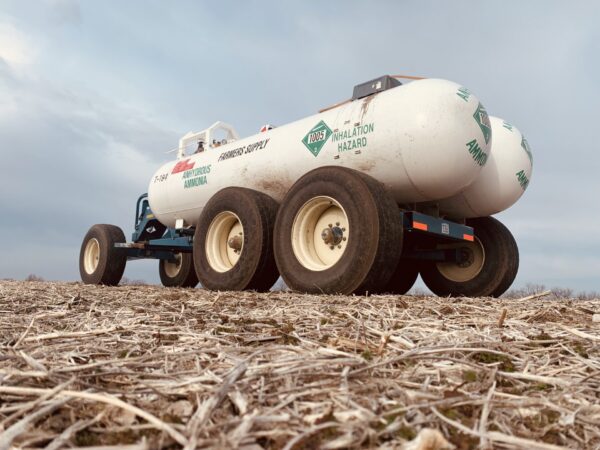
With profit margins under pressure, a north-central Iowa farmer says keeping input costs in check has become critical to his operation.
Joe Roberts, who raises corn, soybeans and cover crops near Belmond, Iowa, tells Brownfield that soil sampling plays a big part in his management decisions.
"Making sure we know what's out there and using just what we need," he said. "And then also we split our nitrogen applications."
Splitting nitrogen applications—applying part of the nutrient at or before planting and the remainder during the growing season—is a widely used practice in corn production intended to match nutrient availability to crop uptake. The approach can also reduce the risk of nitrogen loss from leaching and denitrification, which is a particular concern in poorly drained soils common across parts of the Corn Belt.
Roberts says fertilizer prices are currently the highest he has ever experienced.
"Luckily, I did come in at the high of corn prices in my farming career. I've seen fertilizer steadily continue to increase. I haven't had those low prices ever for fertilizer on my operation," he said.
The squeeze Roberts describes reflects broader conditions facing row-crop producers. Iowa is the nation's top corn- and soybean-producing state, and fertilizer accounts for a significant share of production costs there. Fertilizer prices rose sharply in the years following 2020, driven by factors including elevated natural gas prices—a key input for nitrogen fertilizer production—and supply disruptions linked to the war in Ukraine, before easing from their 2022 peaks but remaining historically elevated.
Beyond nutrient management, Roberts says managing cash flow often means postponing some input costs when opportunities arise.
Soil sampling, which involves laboratory analysis of soil nutrient levels such as phosphorus, potassium and pH, is a standard agronomic tool used by farmers to guide fertilizer application rates. For row-crop producers, the practice is commonly recommended as a way to avoid over-applying nutrients in periods of elevated fertilizer prices. University extension services, including Iowa State University's, generally recommend sampling every two to four years to track nutrient levels over time.
Fertilizer represents one of the largest variable input expenses for corn and soybean growers, and price increases in recent years have contributed to heightened scrutiny of input spending across the Corn Belt. Practices like those Roberts describes—targeted nutrient application and split nitrogen—align with the broader 4R nutrient stewardship framework promoted by the fertilizer industry and land-grant universities, which emphasizes applying the right source of nutrient at the right rate, time and place.
